
Upper South Asia (765–622 BCE): Regional Dynamics …
Years: 765BCE - 622BCE
Upper South Asia (765–622 BCE): Regional Dynamics and Cultural Flourishing
Political Consolidation and Rivalries
Between 765 and 622 BCE, Upper South Asia witnessed further political consolidation and intense regional rivalries. Kingdoms such as the Kuru and Panchala in Haryana and western Uttar Pradesh experienced heightened competition and territorial disputes. Simultaneously, the Magadha kingdom in modern-day Bihar continued its steady rise, gradually becoming a formidable political force.
Socio-Religious Evolution
This age saw the further refinement of the caste system and the deepening complexity of Vedic rituals. Societal norms solidified around the Brahmins, Kshatriyas, Vaishyas, and Shudras, clearly defined within Vedic texts. Ritual sacrifices and ceremonies became increasingly elaborate, emphasizing the role of the priestly class.
Archaeological and Cultural Expressions
The Painted Grey Ware (PGW) culture remained prominent, its settlements and artifacts closely aligned with the historical accounts of the period. Additionally, the Northern Black Polished Ware (NBPW) began to appear, marking technological advancement and indicating evolving trade practices and urban sophistication in regions like Punjab, Haryana, and the central Gangetic plains.
Economic Integration and Expansion
Regional economies thrived, underpinned by advanced agricultural practices, extensive trade routes, and artisanal specialization. Key urban centers such as Taxila, now in Punjab, Pakistan, expanded significantly, facilitating extensive regional and interregional trade. Networks reaching Central and West Asia continued to foster economic prosperity and cultural exchanges.
Himalayan Regions and Interactions
The Himalayan territories, encompassing modern-day Himachal Pradesh, Uttarakhand, Nepal, Bhutan, Ladakh, and the region of present-day Sikkim, experienced increased interactions with the lowland kingdoms. While some peripheral areas of present-day Tibet had cultural exchanges with these Himalayan regions, the Tibetan plateau itself is part of the Upper East Asia subregion. Himalayan passes served as crucial conduits for trade, cultural exchanges, and the dissemination of religious beliefs.
Eastern and Northeastern Cultural Identities
In the northeastern territories, comprising present-day Assam, Arunachal Pradesh, Nagaland, Manipur, Meghalaya, Tripura, Mizoram, and adjacent parts of Bangladesh and northwestern Myanmar, regional cultures flourished. These societies maintained distinct pottery traditions, ritual practices, and economic connections with the wider Gangetic plains.
Religious and Artistic Maturation
Religious thought continued to evolve during this period, laying the foundations for future Hindu and Buddhist traditions. Artistic representations became increasingly sophisticated, reflecting religious iconography and elaborate rituals integral to the evolving spiritual landscape.
Legacy of the Age
The period between 765 and 622 BCE significantly shaped Upper South Asia's historical trajectory, strengthening regional kingdoms, enriching socio-religious practices, and enhancing economic prosperity. The cultural, religious, and political dynamics established during this time continued to resonate profoundly, influencing subsequent historical developments across the subcontinent.
Groups
- Iranian peoples
- Gandhara grave, or Swat, culture
- Hinduism
- Gandhāra
- Vedic period
- India, Iron Age
- Painted Grey Ware culture
- Kuru Kingdom
- Panchalas, Kingdom of the
- Kashi, Kingdom of
- Pashtun people (Pushtuns, Pakhtuns, or Pathans)
- Magadha Empire, Pradyota dynasty
- Scythians, or Sakas
- Gandhara, Kingdom of
- Mahajanapadas
- Magadha Empire, Haryanka dynasty
Commodoties
Subjects
Regions
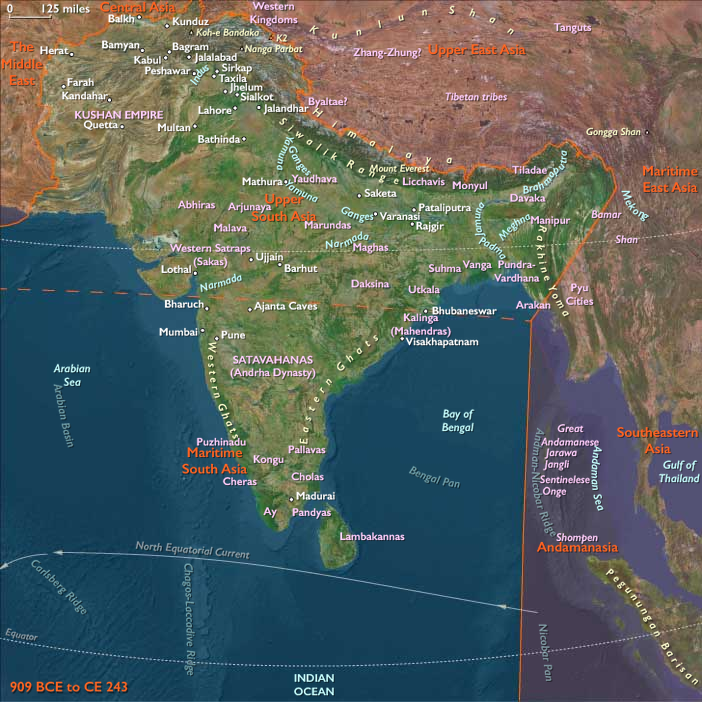
Subregions
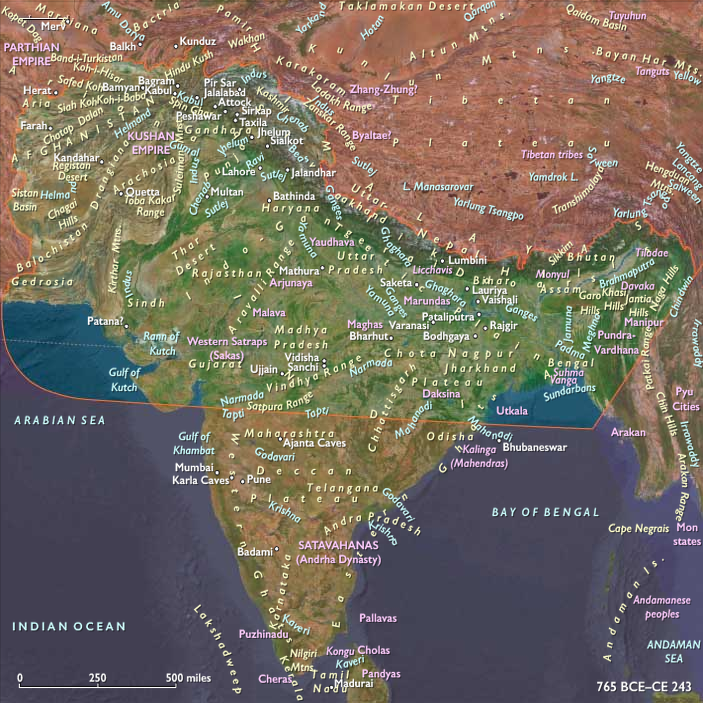
Related Events
Showing 10 events out of 66527 total
Years: 765BCE - 622BCE
Groups
- Iranian peoples
- Gandhara grave, or Swat, culture
- Hinduism
- Gandhāra
- Vedic period
- India, Iron Age
- Painted Grey Ware culture
- Kuru Kingdom
- Panchalas, Kingdom of the
- Kashi, Kingdom of
- Pashtun people (Pushtuns, Pakhtuns, or Pathans)
- Magadha Empire, Pradyota dynasty
- Scythians, or Sakas
- Gandhara, Kingdom of
- Mahajanapadas
- Magadha Empire, Haryanka dynasty
Commodoties
Subjects
Regions
Subregions