
Northwest Asia (7,821 – 6,094 BCE): Early …
Years: 7821BCE - 6094BCE
Northwest Asia (7,821 – 6,094 BCE): Early Holocene — Taiga Mosaics and Riverine Foragers
Geographic and Environmental Context
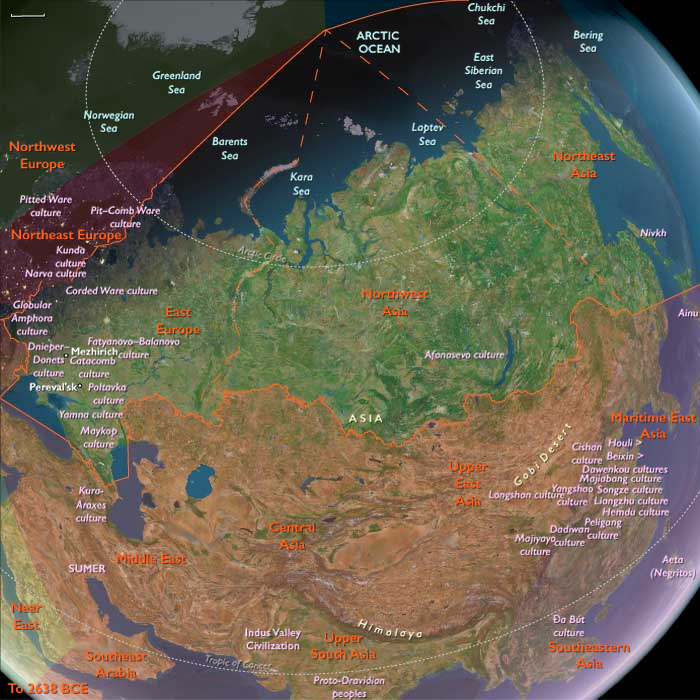
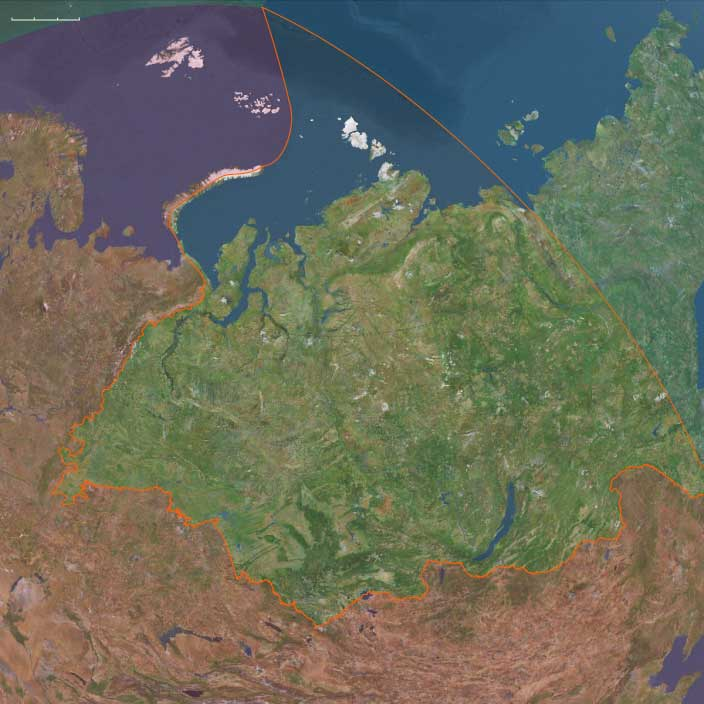
Northwest Asia includes the lands from the Ural Mountains east to ~130°E, encompassing Western and Central Siberia.
-
Anchors: Ob–Tomsk terraces, Altai–Minusinsk Basin, Middle Yenisei, Ural foreland forests.
-
Boreal forests expanded, dominated by birch–pine–spruce.
Climate & Environmental Shifts
-
Early Holocene thermal optimum: warmer, wetter, stable river flows.
Subsistence & Settlement
-
Hunting elk, reindeer, and boar; fishing salmon and sturgeon in the Ob–Yenisei.
-
Seasonal riverine villages with pit-houses and hearth clusters.
Technology & Material Culture
-
Ground-stone adzes, axes; bone harpoons and fish gorges; pottery appears early in Siberia (c. 7th millennium BCE).
-
Nets and weirs for fishing.
Movement & Interaction Corridors
-
Ob–Irtysh–Yenisei integrated taiga foragers; Ural corridor linked to forest-steppe of Europe.
Cultural & Symbolic Expressions
-
First petroglyph traditions (Minusinsk, Tomsk basins) depict elk, fish, hunters.
-
Burials with red ochre, antler, stone tools.
Environmental Adaptation & Resilience
-
Broad-spectrum foraging with early pottery storage stabilized taiga subsistence.
Topics
Commodoties
Subjects
Regions
Subregions
Years: 7821BCE - 6094BCE
Topics
Commodoties
Subjects
Regions
Subregions