One “Antonio, a Negro”, an Angolan African…
March 1655 CE
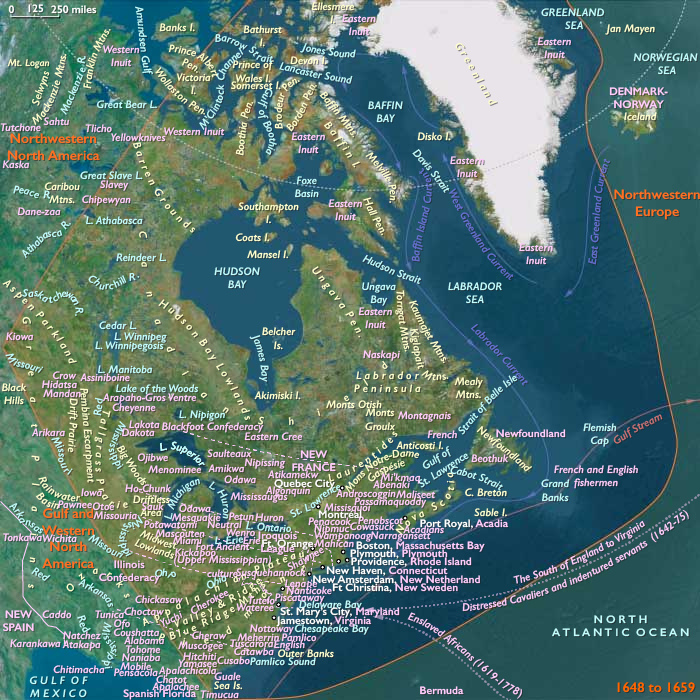
One “Antonio, a Negro”, an Angolan African captured and sold as a slave to a merchant belonging to the Virginia Company in 1620, had on arrival in 1621 been sold to a white planter named Bennet to work on his tobacco farm in the Colony of Virginia.
He had almost lost his life due to a Powhatan attack on his farm.
The natives, who are indigenous to Virginia, were upset at the advance of the tobacco planters on their business and planned an attack on Good Friday.
Of the fifty-seven men on the farm where Johnson worked, fifty-two died during the attack.
The following year (1622) "Mary, a Negro" had arrived aboard the ship Margaret and was brought in to work on the plantation, where she was the only woman.
They were married and will live together for over forty years.
During this time in the Virginia colony, the enslaved people are held to many of the conditions of indentured servitude and are often released after a set period of time.
Many of the more fortunate slaves even receive land and equipment after their contracts for work expired.
Anthony and Mary had been freed by around 1635, and Antonio had changed his name to Anthony Johnson.
Bennet had allowed Johnson to own his own plot of land to be used for farming.
Because Johnson owned a slave of his own, he claimed two hundred and fifty acres of land based on the headright system.
He is recognized in Virginia court documents when he plead for tax relief in 1653 after a fire destroyed much of his plantation.
In the tax-relief case the justices had noted that that Anthony and Mary "have lived Inhabitants in Virginia (above thirty years)" and have been respected for their "hard labor and known service".
In a case in which he contests the freedom suit of an enslaved man, John Castor, Johnson wins the suit on March 8, 1655, and retains Castor as his property, which helps to establish the legal basis for slavery in what will one day become the United States.
Commodities
Subjects
Regions
Northern North America
View →Subregions