
President Hayes confronts two issues regarding the…
February 1878 CE
President Hayes confronts two issues regarding the U.S. currency.
The first is the coinage of silver, and its relation to gold.
In 1873, the controversial Coinage Act of 1873 had embraced gold while stopping the coinage of silver for all coins worth a dollar or more, effectively tying the dollar to the value of gold.
As a result, the money supply had contracted and the effects of the Panic of 1873 had grown worse, making it more expensive for debtors to pay debts they had contracted when currency was less valuable.
Following the passage of the 1873 act, western mining interests have lobbied to restore free silver, which would require the Mint to accept all silver presented to it and return it, struck into coin.
Farmers and laborers, especially, clamor for the return of coinage in both metals, believing the increased money supply will restore wages and property values.
As countries have abandoned silver and bimetallic standards in favor of gold, the supply of silver not being used for coinage has increased.
Coupled with the fact that more silver is being discovered, this has caused the world's gold-to-silver price ratio to rise.
Cheap-money advocates (led by Representative Richard P. Bland, a Democrat of Missouri) have joined with silver-producing interests in decrying the so-called "Crime of '73" and urging a return to bimetallism, the use of both silver and gold as a monetary standard.
Bland has proposed a bill that would require the United States to coin as much silver as miners could sell the government, thus increasing the money supply and aiding debtors.
William B. Allison, a Republican from Iowa, had offered an amendment in the Senate limiting the coinage to two to four million dollars per month, and setting the silver price at one-sixteenth that of gold.
Hayes fears that the bill, if passed, will cause inflation that will be ruinous to business, effectively impairing contracts that are based on the gold dollar, as the silver dollar proposed in the bill is to have an intrinsic value of ninety to ninetey-two percent of the existing gold dollar.
Further, Hayes believes that inflating the currency is an act of dishonesty, saying "[e]xpediency and justice both demand an honest currency." (Hoogenboom, Ari (1995). Rutherford Hayes: Warrior and President. Lawrence, Kansas: University Press of Kansas. pp. 358–360.)
Congress overrides his veto, the only time it will do so during his presidency, and the mildly inflationary Bland–Allison Act passes both houses of Congress on February 28, 1878.
The numismatic result is the new “Liberty” Silver Dollar designed by George T. Morgan.
Images

“Liberty” Silver Dollar (1878) designed by George T. Morgan,
Topics
Commodities
Regions
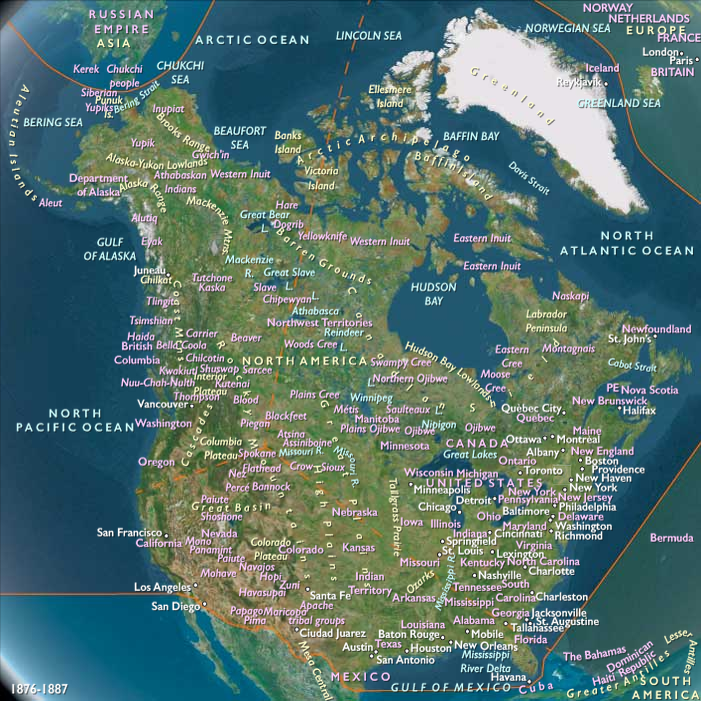
Northern North America
View →Subregions
