Philippe de Champaigne, born in Brussels to…
October 1662 CE
Philippe de Champaigne, born in Brussels to a poor family, had studied with the landscape painter Jacques Fouquières and in 1621 moved to Paris, where he had worked with Nicolas Poussin on the decoration of the Palais du Luxembourg under the direction of Nicolas Duchesne.
According to Houbraken, Duchesne had become angry at Champaigne for becoming more popular than he was at court, and this is why Champaigne had returned to Brussels to live with his brother.
It was only after he received news of Duchesne's death that he had returned to marry his daughter.
After the death of Duchesne, Champaigne had worked for the Queen Mother, Marie de Medicis, and for Cardinal Richelieu, (for whom he decorated the Palais Cardinal), the dome of the Sorbonne and other buildings.
He was a founding member in 1648 of the Académie de peinture et de sculpture.
Later in his life, in 1640, he had come under the influence of Jansenism.
After his paralyzed daughter was allegedly miraculously cured at the nunnery of Port-Royal, he paints the celebrated but atypical picture Ex-Voto de 1662, now in the Louvre, which represents the artist's daughter with Mother-Superior Agnès Arnauld.
A statement of gratitude by the father for the cure of his daughter, the miracle it portrays also symbolizes hope for the cause of the Jansenists, who are subject to persecution by ecclesiastical and civil authorities.
The Jansenists follow Cornelius Jansen, who had reasserted the theology of St. Augustine, and are in conflict with the Jesuits.
Their refusal to sign a document condemning five propositions found in Jansen's Augustinus resulted in their being deprived of the sacraments and confined to the abbey, which was eventually torn down.
Champaigne produces a very large number of paintings, mainly religious works and portraits.
Influenced by Rubens at the beginning of his career, his style later became more austere.
Images

Philippe de Champaigne: Ex-Voto de 1662 (1662) 164.8 cm × 228.9 cm (64 in × 92 in) Musée du Louvre, Paris
Locations
Groups
Subjects
Regions
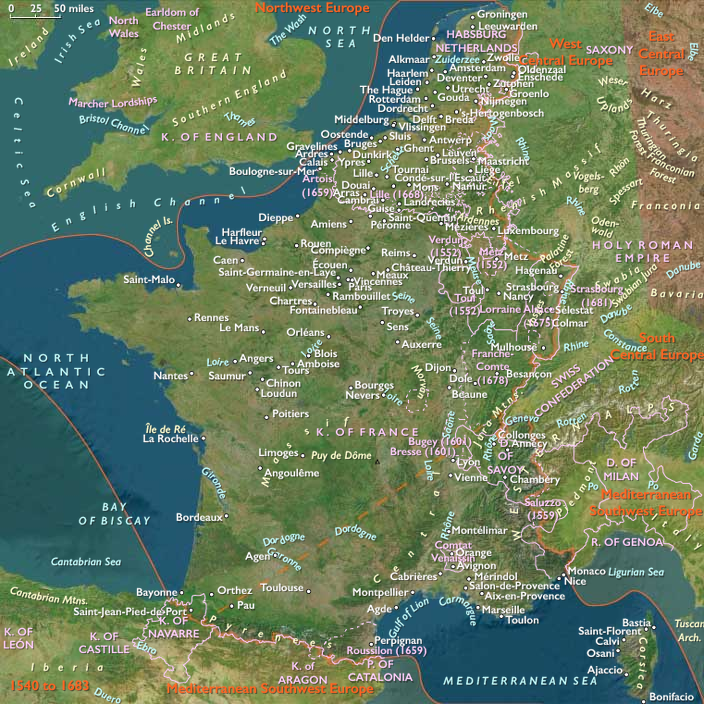
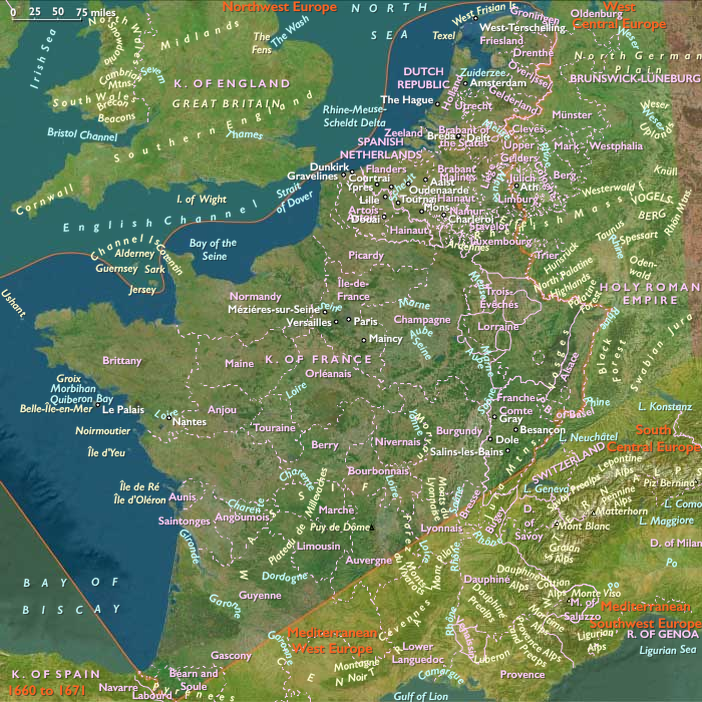
West Europe
View →Subregions