
Pietro I Candiano follows Orso I Participazio …
Years: 887 - 887
September
Pietro I Candiano follows Orso I Participazio and Giovanni II Participazio as Doge of Venice, elected to the throne in about April 887at the side of the elderly, and beloved, Giovanni.
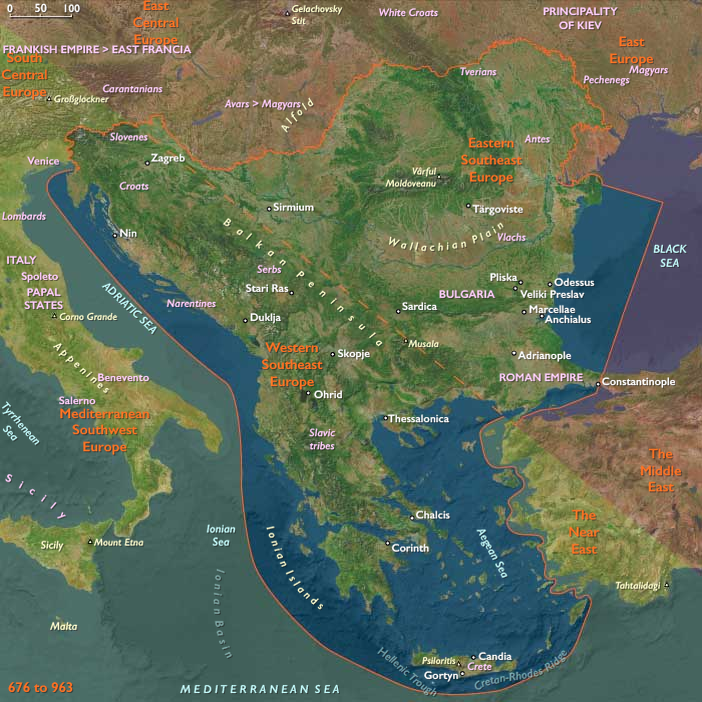
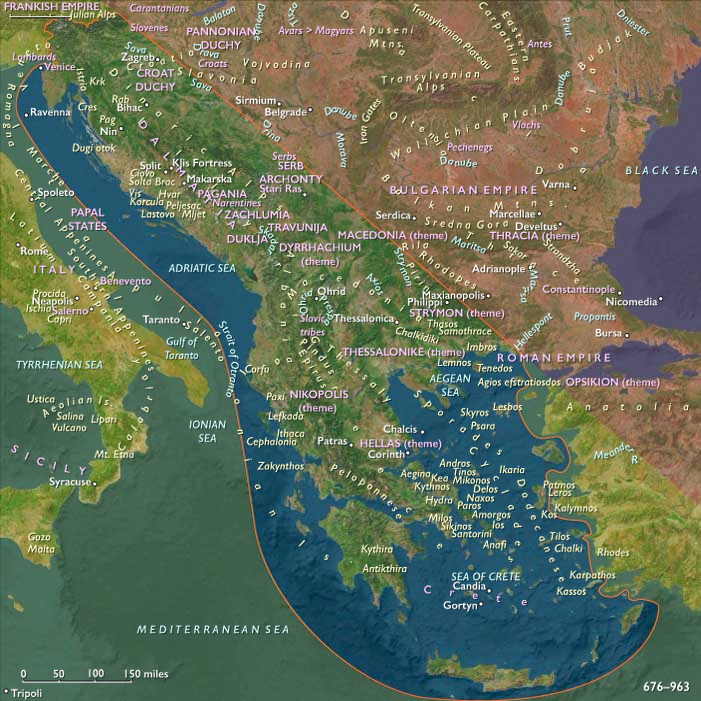
He launches a military attempt against the Narentines in Dalmatia, who have since 886 been hostile to Venetia.
As soon as he becomes Doge, he advances with a fleet of twelve galleys to the port of Makarska (Mokro), where he sinks five Narentine ships.
He lands near Mokro and advances deeper inland, but the Narentines crush his forces on September 18, 887, killing him in open battle.
He is the first Doge to die in a battle.
The Venetians begin paying prince Branimir of Croatia an annual tribute for the right to travel and trade in the Croatian part of the Adriatic.
Locations
People
Groups
Commodoties
Subjects
Regions
Subregions
Related Events
Showing 10 events out of 10 total
Years: 887 - 887
September
Locations
People
Groups
Commodoties
Subjects
Regions
Subregions