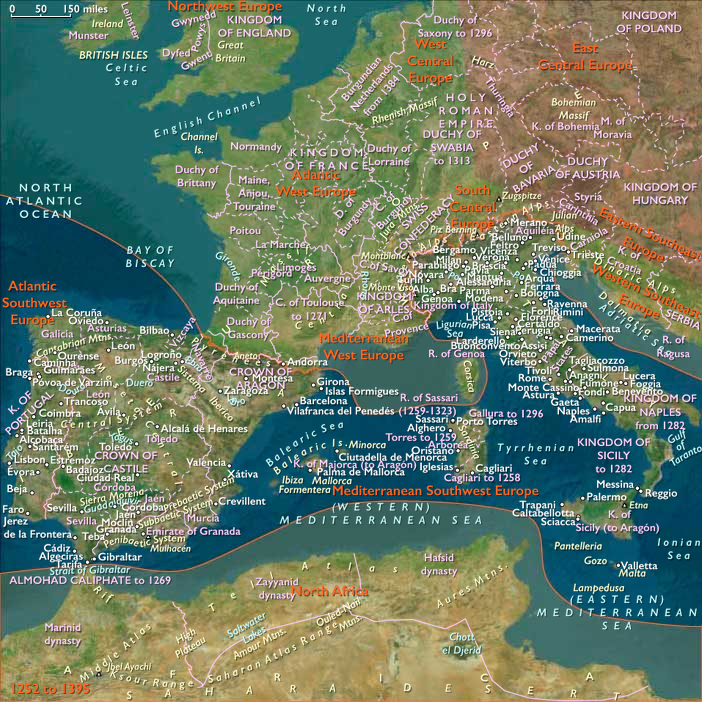
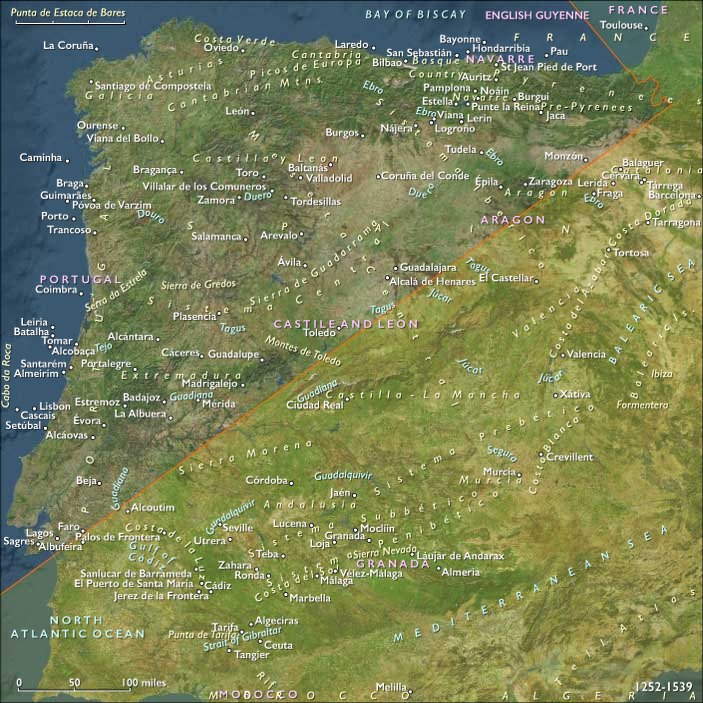
The Peace of Alcoutim (1371): Ferdinand I Abandons His Claim to Castile
After hishumiliating defeatin theFirst Fernandine War (1369–1371)againstHenry II of Castile,King Ferdinand I of Portugalwas forced tonegotiate peaceto prevent further destruction.
Terms of the Peace Treaty (1371)
Ferdinand formally renounced his claim to the Castilian throne, abandoning his support for towns that had remained loyal toPeter I of Castile.
Portugal agreed to pay reparationsto Castile.
To secure the peace,Ferdinand pledged to marry Henry II’s daughter, Leonor of Castile, creating adynastic alliancebetween the two kingdoms.
Ferdinand’s Betrayal of the Treaty
Despite the treaty’s terms,Ferdinand soon broke his engagement to Leonor of Castile, choosing instead tomarry Leonor Teles de Meneses, aPortuguese noblewoman of ambitious and controversial reputation.
Hisabandonment of the arranged marriageinfuriated Castile, furtherdamaging relationsbetween the two kingdoms.
This betrayalrenewed hostilitiesand contributed to the outbreak of theSecond Fernandine War (1372–1373).
ThePortuguese nobility was divided, as many saw his decision asreckless and politically dangerous.
Consequences of the Peace of Alcoutim
While itended immediate warfare, the treaty failed to establish alasting peacebetween Portugal and Castile.
Ferdinand’spersonal ambitions and disregard for diplomatic agreementskept Portugal embroiled in conflict,weakening its stabilityanddraining its resources.
These tensions would culminate inthe Portuguese crisis of 1383–1385, a succession dispute that ultimately led to the rise of theHouse of Avisand the consolidation ofPortuguese independence.
Thus, thePeace of Alcoutim (1371), though atemporary truce, did little to prevent furtherwars, betrayals, and political instabilityin Portugal’s relations with Castile.