Richard Wagner's Parsifal, an opera in three…
1882 CE
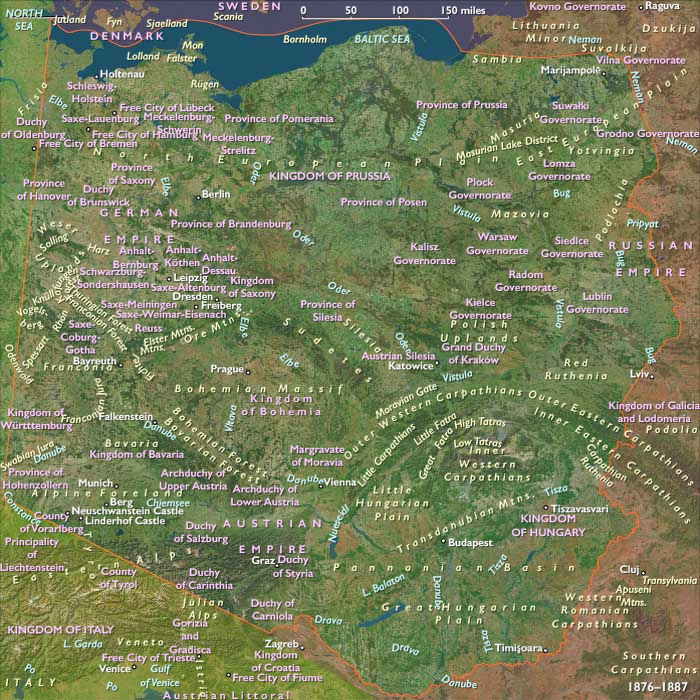
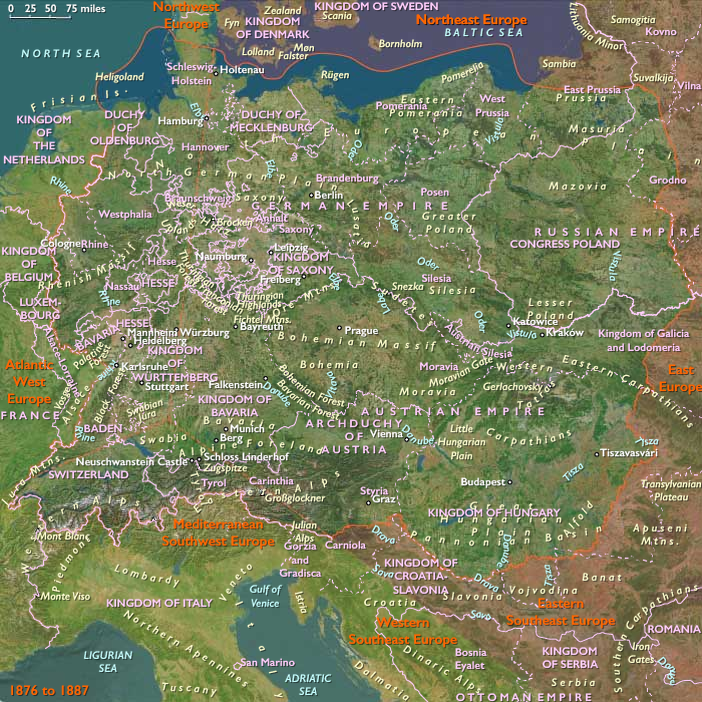
Richard Wagner's Parsifal, an opera in three acts, debuts at the Bayreuth Festspielhaus in Bavaria.
Loosely based on Wolfram von Eschenbach's Parzival, the thirteenth century epic poem of the Arthurian knight Parzival (Percival) and his quest for the Holy Grail, and on Chrétien de Troyes' Perceval, the Story of the Grail, Wagner had first conceived the work in April 1857 but it had not been finished until twenty-five years later.
It is to be Wagner's last completed opera and in composing it, he has taken advantage of the particular acoustics of his Bayreuth Festspielhaus.
Wagner prefers to describe Parsifal not as an opera, but as "ein Bühnenweihfestspiel": "A Festival Play for the Consecration of the Stage".
At Bayreuth, a tradition will arise that there is no applause after the first act of the opera.
Wagner's spelling of Parsifal instead of the Parzival he had used up to 1877 is informed by an erroneous etymology of the name Percival, deriving it from a supposedly Arabic origin, Fal Parsi meaning "pure fool".
Locations
People
Subjects
Regions
Central Europe
View →Subregions