
Rock Springs has steadily become quieter, and,…
October 1885 CE
Rock Springs has steadily become quieter, and, on October 5, 1885, emergency troops, except for two companies, are removed.
However, the temporary posts of Camp Medicine Butte, established in Evanston, and of Camp Pilot Butte, in Rock Springs, will remain long after the riot.
The labor strike is unsuccessful, and the miners go back to work within a couple of months.
The national Knights of Labor organization refuses to support the Carbon strike and the hold out by white miners in Rock Springs following the Rock Springs Riot.
The organization avoids supporting the miners along the Union Pacific Railroad, because it does not want to be seen as condoning the violence at Rock Springs.
When the Union Pacific Coal Department reopens the mines, it fires forty-five white miners connected to the violence.
After the riot in Rock Springs, sixteen men had been arrested, including Isaiah Washington, a member-elect to the territorial legislature.
The men had been taken to jail in Green River, where they were held until after a Sweetwater County grand jury refused to bring indictments.
In explaining its decision, the grand jury declared that there was no cause for legal action, stating, in part: "We have diligently inquired into the occurrence at Rock Springs.... [T]hough we have examined a large number of witnesses, no one has been able to testify to a single criminal act committed by any known white person that day." (Daniels, Roger. Asian America: Chinese and Japanese in the United States Since 1850, (Google Books), University of Washington Press, 1990. Retrieved October 22, 2012.)
Those arrested as suspects in the riot are released a little more than a month later, on October 7, 1885.
The defendants in the Rock Springs case enjoy the same broad community consent that lynch mobs often received.
No person or persons are ever convicted in the violence at Rock Springs.
People
Groups
Topics
Regions
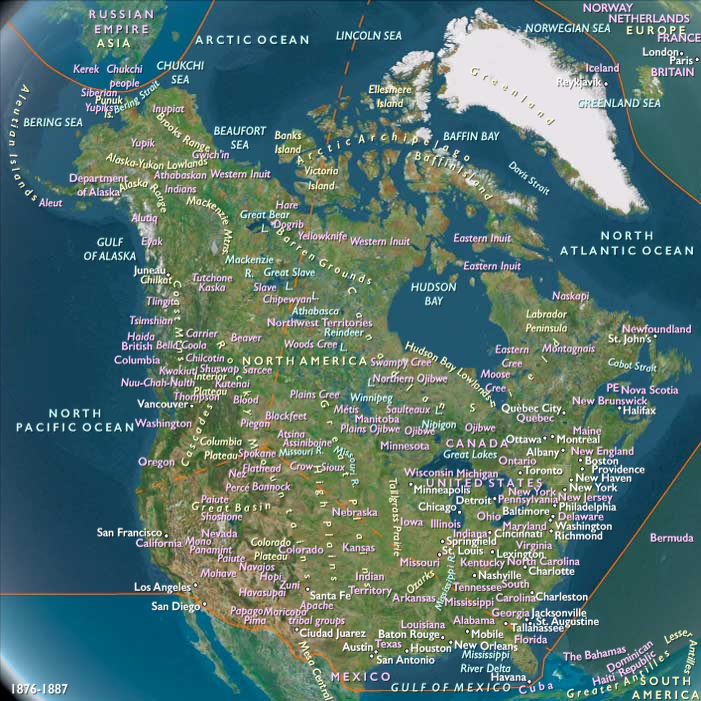
Northern North America
View →Subregions
