The Evolution of Vulgar Latin in the …
Years: 196 - 207
The Evolution of Vulgar Latin in the Provinces (Late 2nd Century CE)
By the end of the second century CE, Vulgar Latin—the spoken form of Latin used by the common people—had undergone significant modification across the Roman Empire, influenced by the speech habits of subjugated peoples in the provinces. As a lingua franca, Latin adapted to regional phonetic, grammatical, and lexical influences, setting the stage for the eventual emergence of the Romance languages.
Regional Variations in Vulgar Latin
-
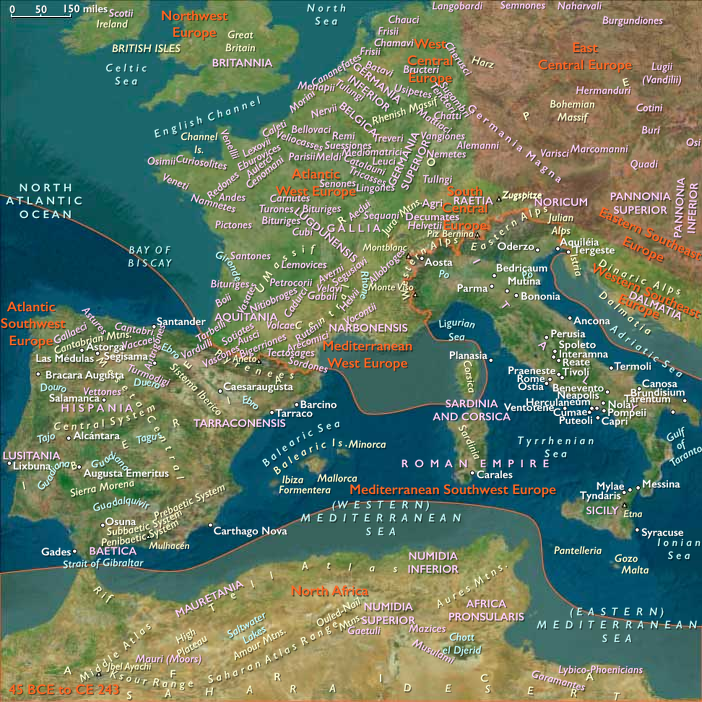
The Iberian Peninsula (modern Spain and Portugal):
- Native Iberian and Celtic languages influenced the pronunciation and vocabulary of Latin.
- Sibilant sounds (e.g., /s/ and /z/) were retained or intensified, impacting later Spanish and Portuguese phonetics.
-
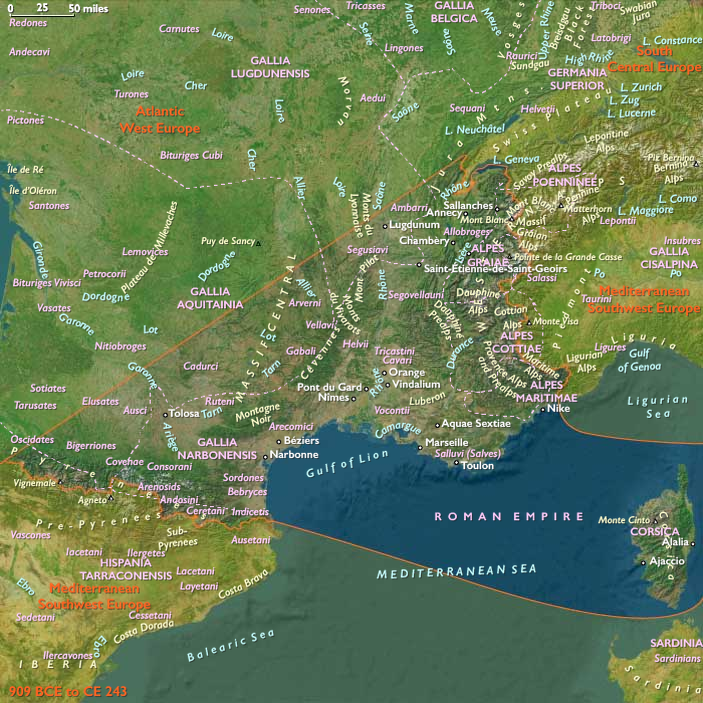
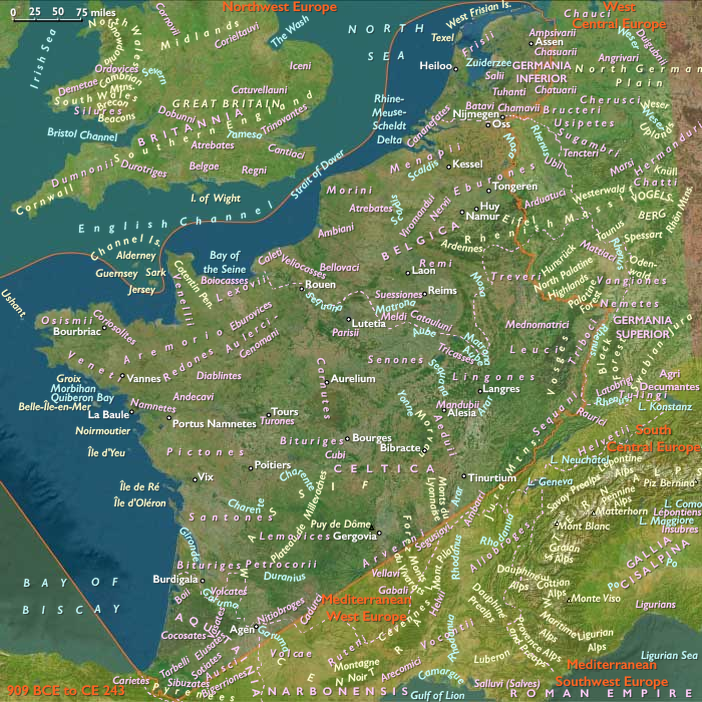
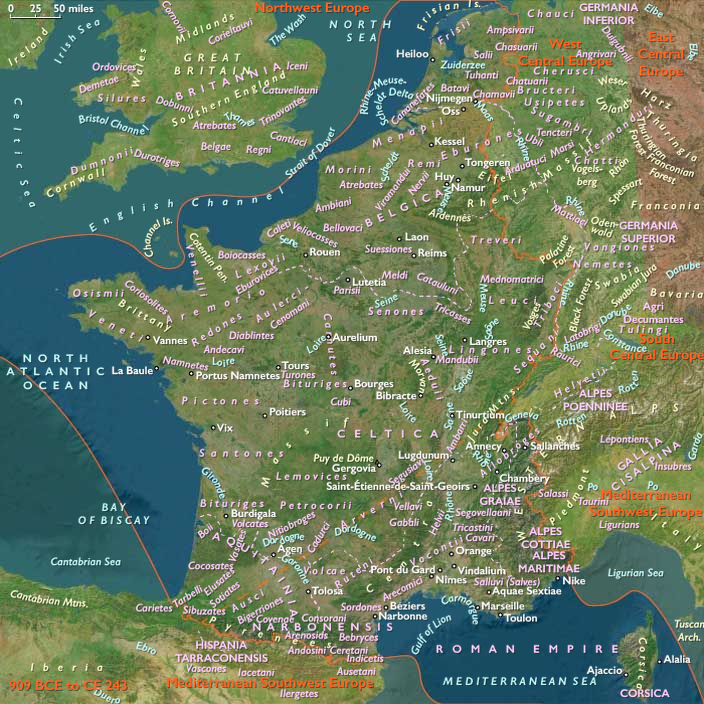
Gaul (modern France, Belgium, and parts of Switzerland and Italy):
- Celtic substrate influences led to greater vowel modification and nasalization of sounds.
- The shift from Latin case endings to prepositions began to take shape, contributing to Old French sentence structure.
-
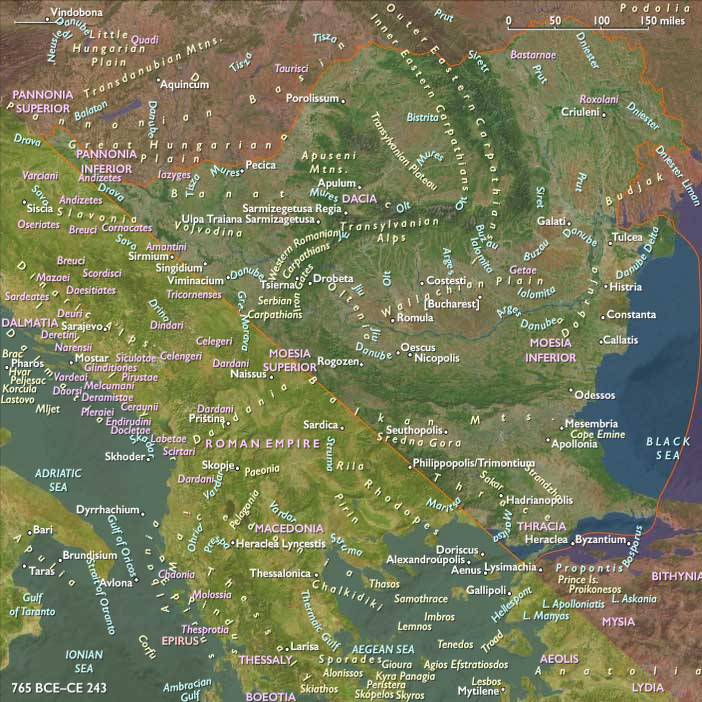
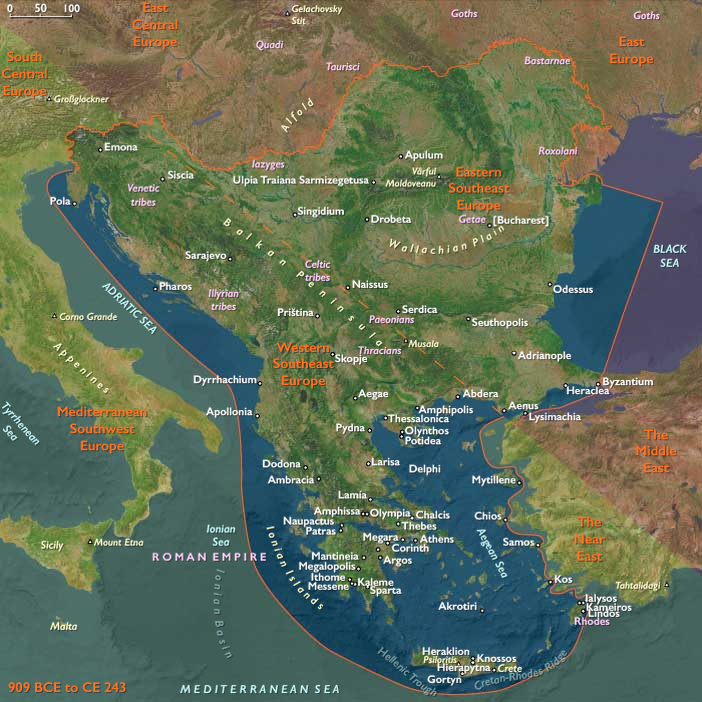
Dacia (modern Romania and Moldova):
- Dacian substrate effects influenced vocabulary and phonetics, contributing to the unique evolution of Romanian.
- Retention of Latin declensions was stronger than in Western Romance languages, resulting in a more synthetic grammatical structure.
Factors Contributing to Vulgar Latin's Regionalization
- Local Accent and Pronunciation Differences:
- Speakers retained phonetic patterns from their indigenous languages, altering Latin pronunciation.
- Lexical Borrowing:
- Indigenous words were absorbed into Latin, particularly for local flora, fauna, and cultural concepts.
- Grammatical Simplification:
- Over time, complex Latin grammatical structures (e.g., noun cases and verb conjugations) were simplified or replaced with prepositional phrases and analytic constructions.
Legacy: The Birth of the Romance Languages
By the 4th–5th centuries CE, these regional variations would evolve into distinct Romance dialects, eventually becoming:
- Spanish and Portuguese in Iberia.
- French and Occitan in Gaul.
- Romanian in Dacia.
- Italian and other dialects in the Italian Peninsula.
The modification of Latin by provincial speakers during the 2nd century CE laid the linguistic foundations for the Romance languages, marking a critical step in the transformation of Latin from a unified imperial language into a diverse family of vernacular tongues.
Related Events
Showing 3 events out of 3 total
Years: 196 - 207
Groups
Subjects
Regions
Subregions
- Eastern Southeast Europe
- Mediterranean West Europe
- Mediterranean Southwest Europe
- Atlantic West Europe