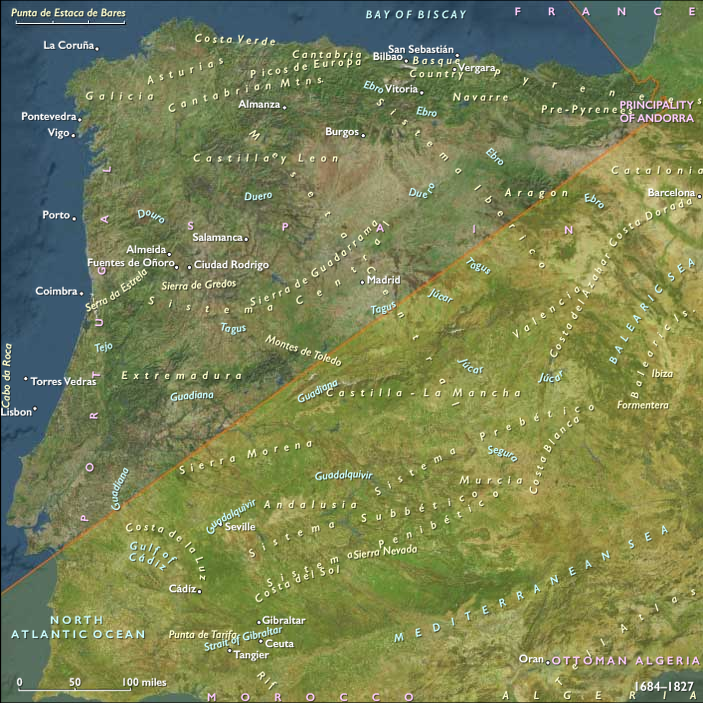
French Occupation of Portugal (1807–1808) – The…
December 1807 CE
French Occupation of Portugal (1807–1808) – The Dismantling of the Portuguese Army
Following the occupation of Lisbon, the Portuguese civil authorities largely submitted to French rule, but popular resentment ran deep. Tensions erupted into violence as French control tightened.
The Lisbon Riot (December 13, 1807)
- On December 13, 1807, Junot raised the French flag over Lisbon’s public buildings, symbolizing France’s dominance over Portugal.
- This act enraged the population, sparking a riot in the streets.
- Mounted French troops were deployed, violently dispersing the mob.
Dissolving the Portuguese Army
As one of his first major policies, Junot systematically dismantled Portugal’s military, ensuring there would be no organized resistance:
- Soldiers with less than one year or more than six years of service were discharged, significantly reducing the ranks.
- The remaining troops were reorganized into nine new units.
- Most were marched to northern Germany to serve as garrison troops under French command.
Portuguese Soldiers Forced into French Service
Despite Portugal’s resistance to French rule, some Portuguese troops were forcibly integrated into Napoleon’s army:
First Siege of Zaragoza (August 2, 1808)
- 265 men of the 5th Infantry Regiment and 288 Caçadores fought under French command in the First Siege of Zaragoza, as part of Napoleon’s campaign to subdue Spain.
Portuguese Legion at the Battle of Wagram (July 1809)
- The Portuguese Legion, now an official unit in Napoleon’s army, fought at the Battle of Wagram.
- The force included:
- 1,471 infantry in three battalions.
- 133 cavalry in two squadrons.
- They fought under the command of General Cargome Logo, further entrenching Portugal’s forced involvement in the Napoleonic Wars.
The Russian Campaign (1812) – A Death March for the Portuguese
- By 1812, the Portuguese troops were reorganized into three regiments and forced to participate in Napoleon’s invasion of Russia.
- Like much of Napoleon’s multinational army, these men suffered terribly in the campaign.
- Very few Portuguese soldiers survived, as starvation, extreme cold, and relentless Russian counterattacks decimated the French forces.
Conclusion – A Nation’s Soldiers Used Against Itself
Junot’s dissolution of the Portuguese army and the forced conscription of Portuguese soldiers into Napoleon’s ranks became yet another source of resentment among the Portuguese people.
Though many were forced to serve under French command, Portugal’s national spirit remained unbroken. Soon, the Portuguese people, backed by British forces, would rise in revolt, making Napoleon’s occupation of Portugal one of his greatest strategic failures in Iberia.
Locations
People
Groups
Topics
Subjects
Regions
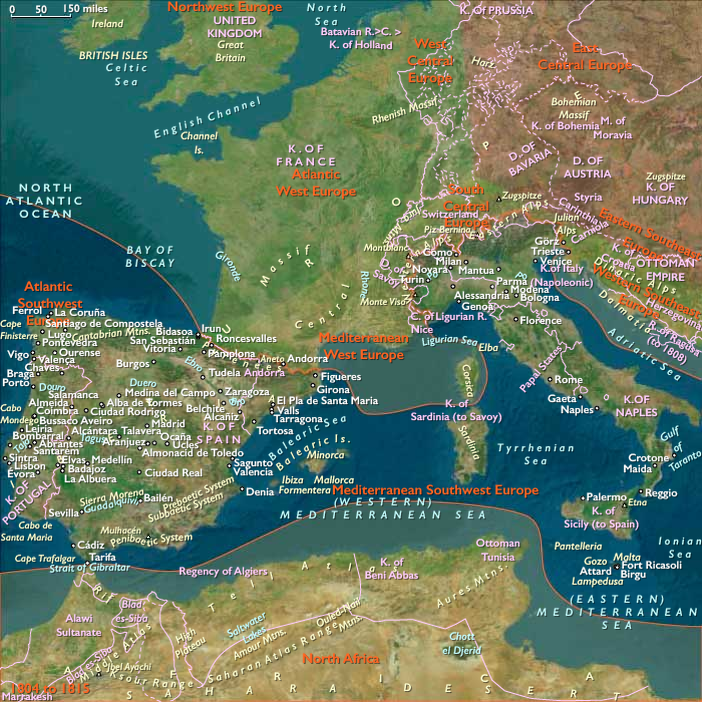
Southwest Europe
View →Subregions