
Jewish Migration from Iberia to Northwestern Europe …
Years: 1492 - 1503
Jewish Migration from Iberia to Northwestern Europe (1492–1498)
The mass expulsion of Jews from Spain in 1492 and subsequently from Portugal in 1498, under intense diplomatic pressure from Spain, resulted in significant Jewish migrations northward into Atlantic West Europe. Approximately twenty-five thousand expelled Iberian Jews, predominantly of Sephardic heritage, sought refuge in cities across northwestern Europe, profoundly reshaping the region’s demographic, cultural, and economic landscape.
Scale and Direction of Migration
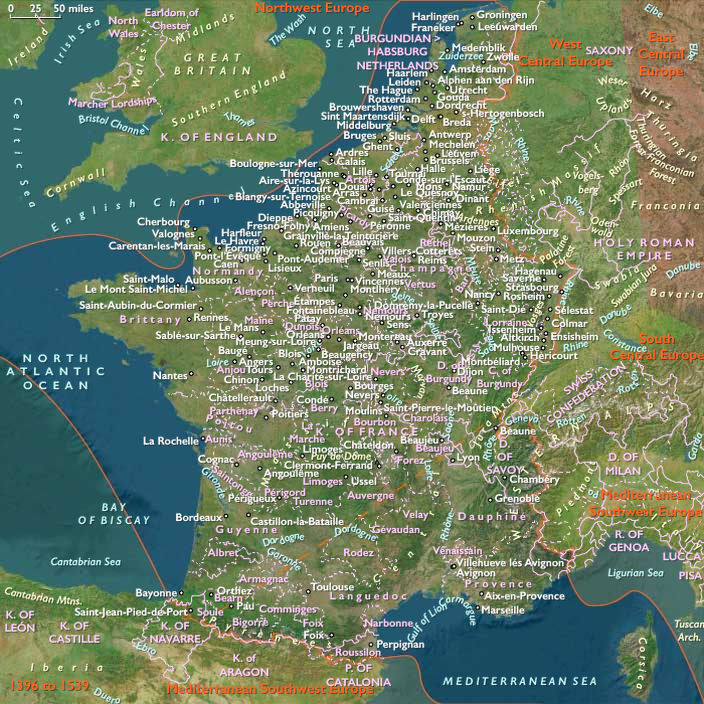
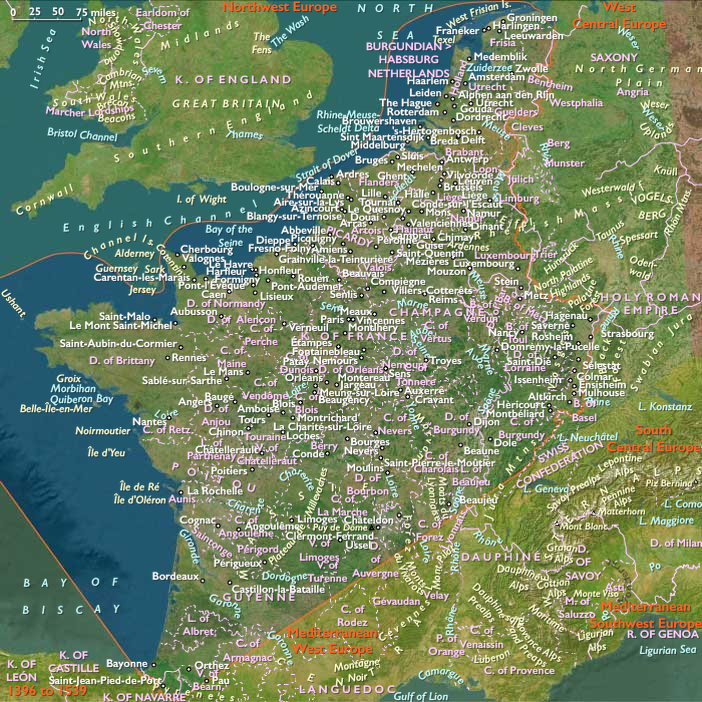
Of the estimated 150,000 to 200,000 Jews forced from Iberia, about twenty-five thousand chose to move northward into France, the Low Countries, and later England. Initially, these Jewish communities concentrated in regions offering commercial opportunities, religious tolerance, or at least the pragmatic willingness to accept skilled refugees. Prominent among these early northern European centers were French cities like Bayonne and Bordeaux, and later the vibrant economic hubs of Antwerp and Amsterdam.
Establishment and Growth of Communities
In Bayonne and Bordeaux, the Sephardic refugees, including a significant number of Marranos (Jewish converts outwardly professing Christianity), established flourishing communities distinguished by trade, finance, medicine, and intellectual life. The Sephardim swiftly integrated into existing trade networks, particularly enhancing Atlantic commerce by facilitating the export of local products, such as Bordeaux wine, and serving as intermediaries between the Mediterranean, Iberian Peninsula, and Northern Europe.
By the early sixteenth century, these communities had grown in size and economic influence, laying the foundations for the influential Jewish mercantile class later prominent in Amsterdam, which emerged as a prominent center of Sephardic life in the following century.
Cultural and Linguistic Impact
The northward migration also profoundly influenced local culture. The Iberian Jews brought with them their distinctive Sephardic heritage, characterized by the Ladino language, Hebrew scholarship, and distinctive traditions in literature, philosophy, and medicine. These communities served as critical cultural bridges, facilitating exchanges between Iberian, Northern European, and Mediterranean cultural spheres, and significantly influencing the intellectual landscape of Renaissance Europe.
Long-Term Significance and Legacy
This migration had lasting consequences for both the Iberian Peninsula and northwestern Europe. The arrival of Iberian Jews marked the revival of Jewish life and commerce in cities across Atlantic West Europe, notably contributing to the economic and cultural vitality of urban centers such as Amsterdam, Antwerp, Bordeaux, and later London.
Amsterdam, in particular, became an essential refuge and commercial hub for Sephardic Jews fleeing persecution, ultimately emerging in the seventeenth century as one of Europe's principal centers of Jewish life, finance, and cultural expression. Thus, the Iberian expulsions indirectly fostered vibrant Jewish communities that significantly contributed to the development of northwestern European economies and societies.
Long-term Significance
The northward exodus of Iberian Jews following their expulsion was a critical moment in the history of Atlantic West Europe, reshaping its cultural, demographic, and economic landscape. The Sephardic migration established long-lasting Jewish communities that played central roles in Atlantic trade and finance, reflecting broader historical trends of religious intolerance and displacement shaping Europe's early modern history.
Locations
Groups
Subjects
Regions
Subregions
Years: 1492 - 1503
Locations
Groups
Subjects
Regions
Subregions