
Southern Indian Ocean (28,577 – 7,822 BCE): …
Years: 28577BCE - 7822BCE
Southern Indian Ocean (28,577 – 7,822 BCE): Upper Pleistocene II → Early Holocene — Deglaciation, Peat Beginnings, and Storm-Belt Resilience
Geographic & Environmental Context
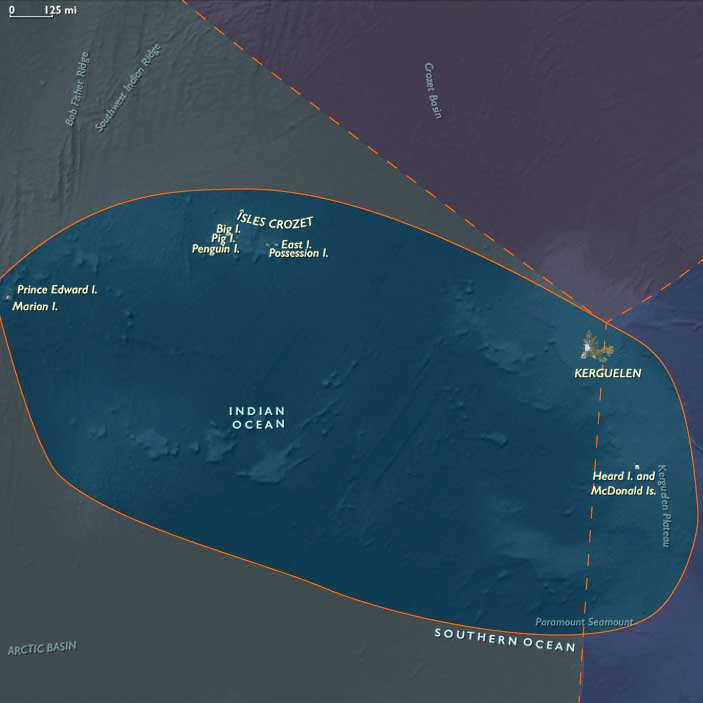
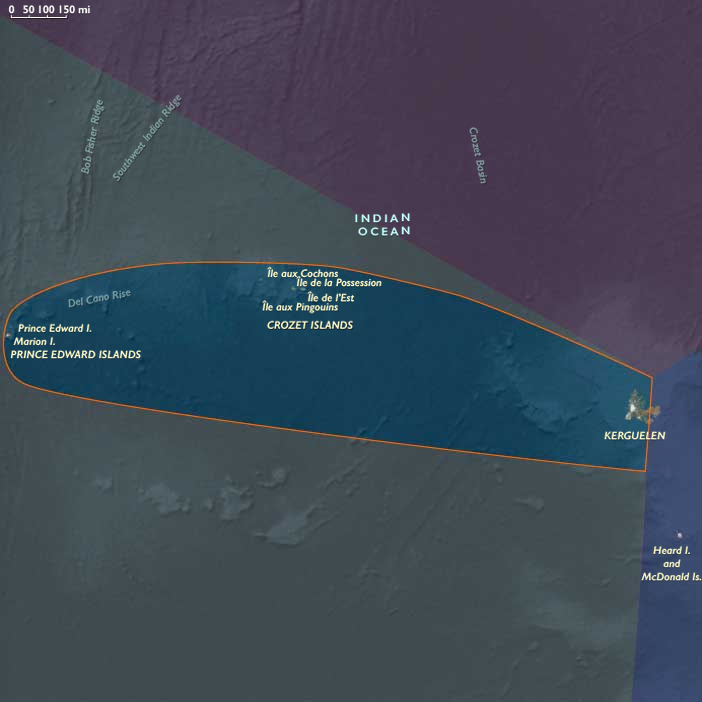
The Southern Indian Ocean spans the sub-Antarctic and high-latitude island arcs that rim the great circumpolar current:
-
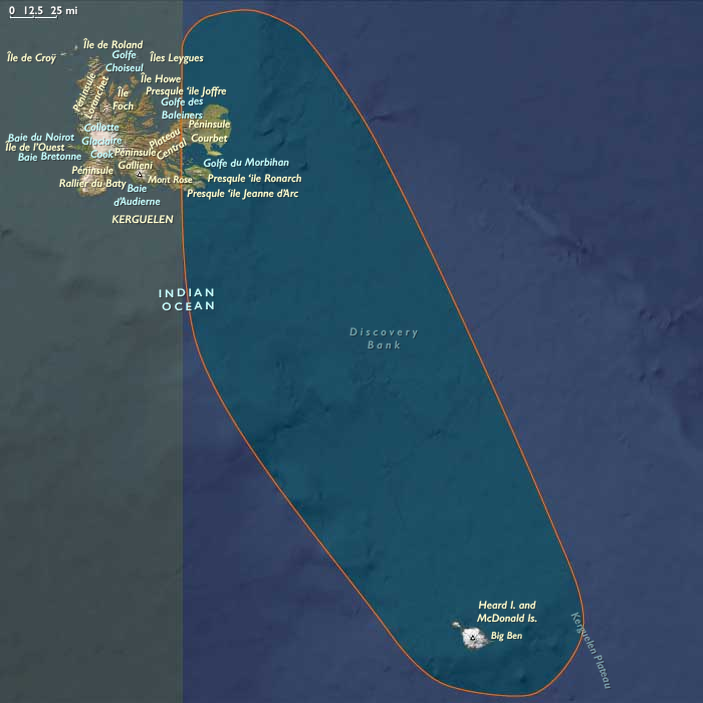
Southeast Indian Ocean: Kerguelen (east of 70°E), Heard Island, and the McDonald Islands—a volcanic plateau rising from the central oceanic ridge.
-
Southwest Indian Ocean: Kerguelen (west of 70°E), the Îles Crozet, and the Prince Edward–Marion Islands—low-domed volcanoes and basaltic uplands flanking the Antarctic Convergence.
During this epoch, no humans yet reached these storm-lashed archipelagos. Their story is one of deglaciation, ecological colonization, and the establishment of self-sustaining marine–terrestrial feedbacks that would later define the sub-Antarctic realm.
Climate & Environmental Shifts
-
Last Glacial Maximum (c. 26,500 – 19,000 BCE): Heavy ice mantled Kerguelen’s uplands and Heard’s Big Benmassif. Westerlies circled north of their modern track; sea level stood ~120 m lower, enlarging coastal benches.
-
Bølling–Allerød (c. 14.7 – 12.9 ka): Global warming brought vigorous westerlies and rising seas. Valley glaciers receded, exposing fresh basaltic and till plains that seeded colonizing lichens and cushion plants.
-
Younger Dryas (c. 12.9 – 11.7 ka): A brief cooling and renewed storminess slowed deglaciation; frost-heave and solifluction remodeled slopes.
-
Early Holocene (after 11.7 ka): Temperatures and precipitation stabilized near modern sub-Antarctic norms—cool, windy, and perennially moist. Peat initiation began in sheltered basins; sea level reached present heights, and island coastlines approached their modern outlines.
Subsistence & Settlement
No human occupation occurred. Instead, biotic colonization unfolded in successive waves:
-
Flora: pioneer lichens, mosses, and graminoids occupied leeward slopes; cushion heaths and ferns established as soils thickened. Peat accumulated in depressions, forming the region’s first organic wetlands.
-
Fauna: penguins, petrels, and albatrosses nested on newly ice-free coasts; fur and elephant seals recolonized beaches; burrowing seabirds and arthropods fertilized soils with guano.
-
Marine systems: nutrient-rich upwellings of the Antarctic Circumpolar Current (ACC) drove high plankton productivity, sustaining krill swarms, baleen whales, and fish shoals that tied the islands into the wider Southern Ocean food web.
Technology & Material Culture
None human. The “technologies” shaping these islands were wind, wave, ice, and ash:
-
Volcanic eruptions at Heard and McDonald periodically spread ash mantles that refreshed mineral nutrients.
-
Freeze–thaw cycles created patterned ground and solifluction lobes—natural engineering that distributed sediments downslope.
Movement & Interaction Corridors
Biological and oceanographic circulation replaced human mobility:
-
ACC jets and sub-Antarctic fronts conveyed plankton, krill, and migratory whales around the hemisphere.
-
Seabirds and seals acted as long-distance vectors for nutrients and seeds, linking Crozet–Kerguelen–Prince Edward chains into a metapopulation system.
-
The Westerly storm track itself functioned as a conveyor, cycling moisture and aerosols between South America, Africa, and Australia.
Cultural & Symbolic Expressions
No human symbolism yet marked these shores. Instead, the ecological rhythms of breeding, molting, and migration inscribed a natural calendar—the biological ritual year of the sub-Antarctic.
Environmental Adaptation & Resilience
Ecosystems here evolved resilience to chronic disturbance:
-
Life-history flexibility—staggered breeding seasons, opportunistic recolonization after landslides or ash falls—ensured continuity.
-
Peatlands and moss carpets buffered moisture extremes, acting as sponges against drought and frost.
-
Guano-driven nutrient cycles maintained fertility despite thin soils and fierce erosion.
Together these feedbacks forged a self-repairing mosaic able to absorb storm scour, ice advance, and volcanic renewal.
Long-Term Significance
By 7,822 BCE, the Southern Indian Ocean had fully entered its Holocene ecological regime: glaciers confined to high cirques, thriving penguin and seal rookeries, expanding peatlands, and nutrient-rich seas linking all sub-Antarctic islands.
Still unseen by humans, these islands already functioned as climate sentinels and biodiversity engines for the Southern Ocean—resilient ecosystems rehearsing the rhythms that would persist into the modern age.
Topics
Commodoties
Subjects
Regions
Subregions
Related Events
Showing 10 events out of 69584 total
Years: 28577BCE - 7822BCE
Topics
Commodoties
Subjects
Regions
Subregions