The Loaísa Expedition (1525): Spain’s Next Attempt…
1525 CE
The Loaísa Expedition (1525): Spain’s Next Attempt to Reach the Spice Islands
In 1525, Spain launched another major expedition to the East Indies, commanded by García Jofre de Loaísa and piloted by Juan Sebastián Elcano, the first man to complete a circumnavigation of the Earth. This ambitious voyage aimed to rescue lost ships, establish Spanish dominance in the Spice Islands, and explore the mythical land of Ophir.
Objectives of the Loaísa Expedition
-
Search for the Trinidad
- The Victoria, one of Magellan’s ships, had returned to Spain in 1522, reporting that her sister ship, Trinidad, had attempted to return to Spain by sailing eastward from the Spice Islands.
- Loaísa was ordered to trace her expected route, searching for the ship or discovering her fate.
-
Locate and Colonize the Spice Islands
- The Spice Islands (Maluku or Moluccas) were the source of valuable cloves and nutmeg, highly contested between Spain and Portugal.
- Loaísa was to establish Spanish settlements and secure Spanish claims against the Portuguese, who had already built a presence there.
-
Explore the Mythical Land of Ophir
- Spanish scholars speculated that Ophir, a legendary land mentioned in the Bible as a source of gold, might be near China.
- The expedition was tasked with gathering intelligence on possible new territories beyond the known islands of Southeast Asia.
Composition of the Expedition
- The fleet consisted of seven ships and 450 men, including:
- Six galleons:
- Santa María de la Victoria (flagship)
- Sancti Spiritus
- Anunciada
- San Gabriel
- Santa María del Parral
- San Lesmes
- One patache (small support vessel): Santiago
- Six galleons:
- Crew included administrators, tradesmen, and soldiers, tasked with setting up a permanent Spanish settlement in the Spice Islands.
- Loaísa and Elcano served as joint commanders, though Elcano’s experience in Magellan’s earlier voyage made him a key figure in navigating the Pacific.
Departure and Historical Significance
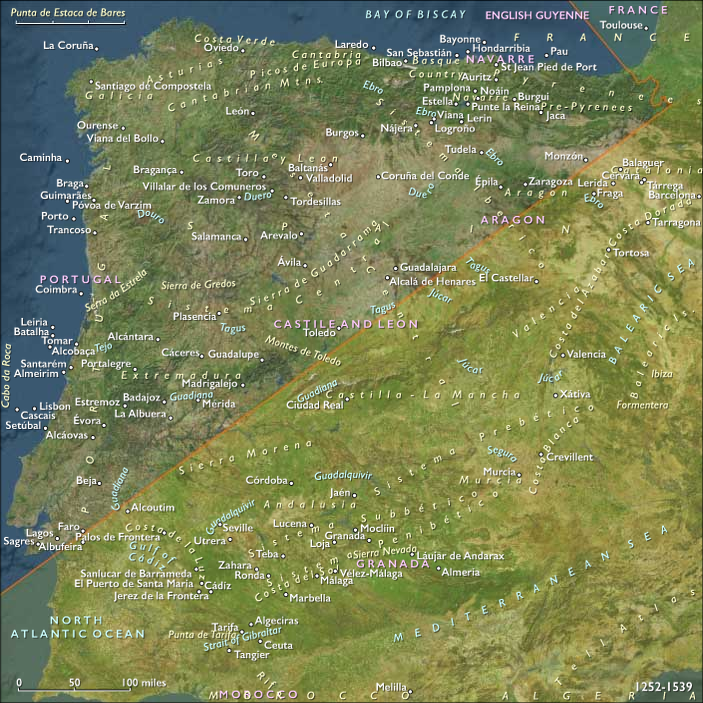
- The fleet set sail from Corunna on July 24, 1525, following Magellan’s original route across the Atlantic and through the Strait of Magellan.
- This expedition marked Spain’s second serious attempt to challenge Portuguese control of the Spice Islands, continuing the rivalry over the lucrative spice trade.
Conclusion: A Bold but Perilous Journey
The Loaísa Expedition of 1525 was Spain’s next great venture into the Pacific, intended to solidify Spanish influence in the East Indies, search for lost ships, and expand geographic knowledge. While the expedition would face extreme hardships, it remained a key chapter in the early Spanish exploration of the Pacific and the fight for dominance over the Spice Islands.
Locations
Topics
Commodities
Subjects
Regions
Southwest Europe
View →Subregions