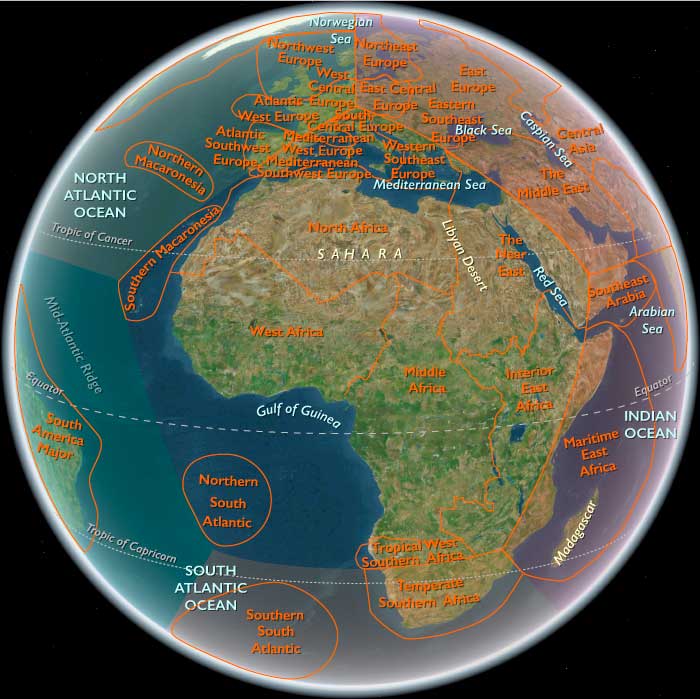
Event
Sparta has taken the southeast portion of…
Sparta has taken the southeast portion of the Peloponnesus from Argos but failed, despite three decades of warfare, to subdue Tegea, its chief rival in Arcadia.
On the diplomatic level, Sparta, the greatest of the Dorian states, deliberately plays the anti-Dorian card in the mid-sixth century in an attempt to win more allies.
Sparta's Dorianism is unacceptable to some of its still-independent neighbors, whose mythology remembers a time when the Peloponnese had been ruled by Achaean kings such as Atreus, Agamemnon, and his son Orestes (in a period modern scholars will call Mycenaean).
The central symbolic act recorded by tradition is the talismanic bringing home to Sparta of the bones of Orestes himself, as a way for Sparta to claim that it is the successor of the old line of Atreus.
The result is an alliance with Tegea, which in turn inaugurates a network of such alliances, to which has been given the modern name of the Peloponnesian League.
A valuable fifth-century inscription found in the 1970s concerning a community in Aetolia (north-central Greece) illuminates the obligations imposed by Sparta on its allies: above all, full military reciprocity: i.e., the requirement to defend Sparta when it is attacked, with similar guarantees offered by Sparta in return.
Another, more obviously pragmatic, reason why Sparta attracts to itself allies in areas like Arcadia is surely fear of Argos.
-
{# Image navigates to the detail page; the magnifying-glass chip is the only Fancybox lightbox trigger (kept a separate sibling — anchors can't nest). #}
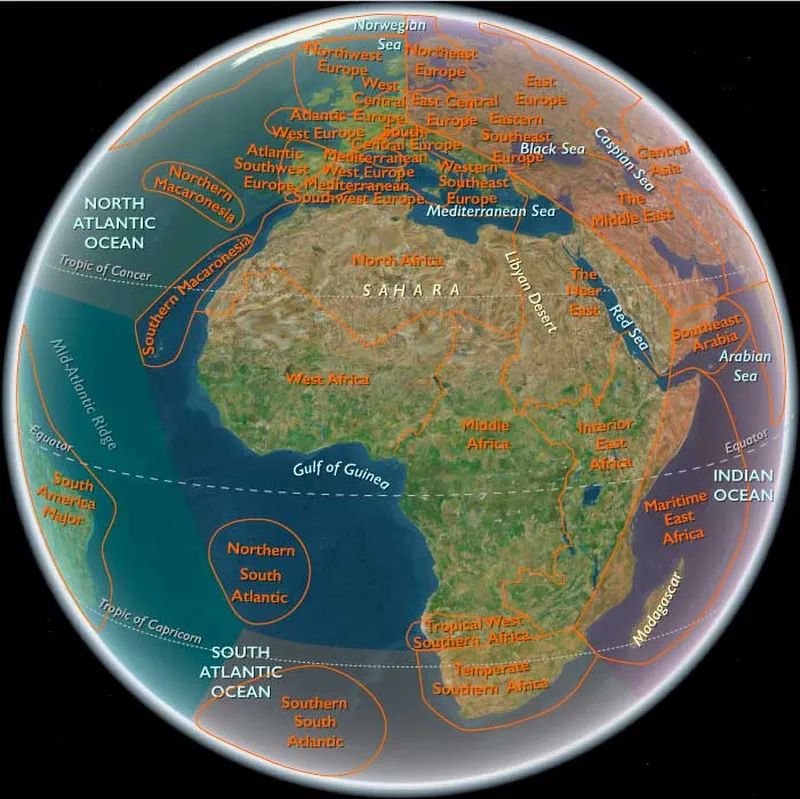 The Middle of The Earth
World
-
{# Image navigates to the detail page; the magnifying-glass chip is the only Fancybox lightbox trigger (kept a separate sibling — anchors can't nest). #}
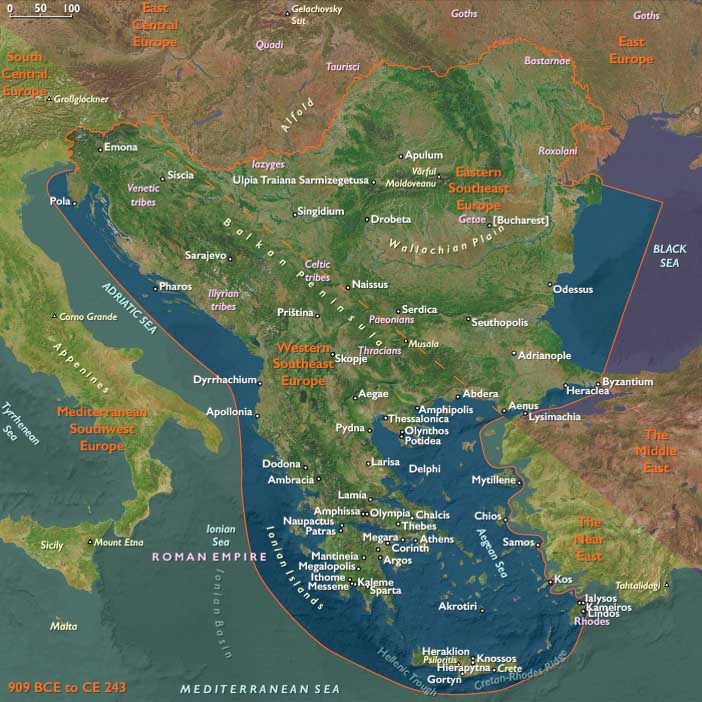 Southeast Europe
Region
-
{# Image navigates to the detail page; the magnifying-glass chip is the only Fancybox lightbox trigger (kept a separate sibling — anchors can't nest). #}
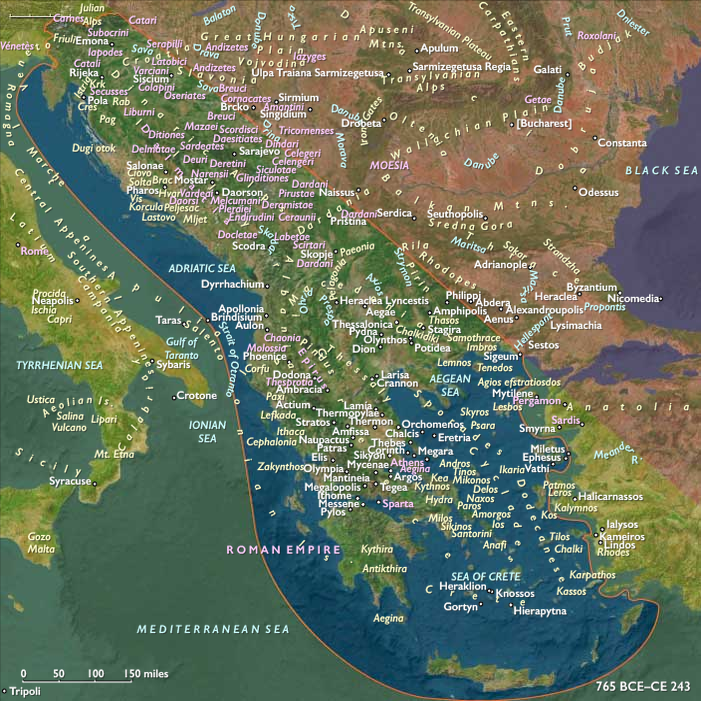 Western Southeast Europe
Subregion