Event
Antonio José de Sucre, upon learning that…
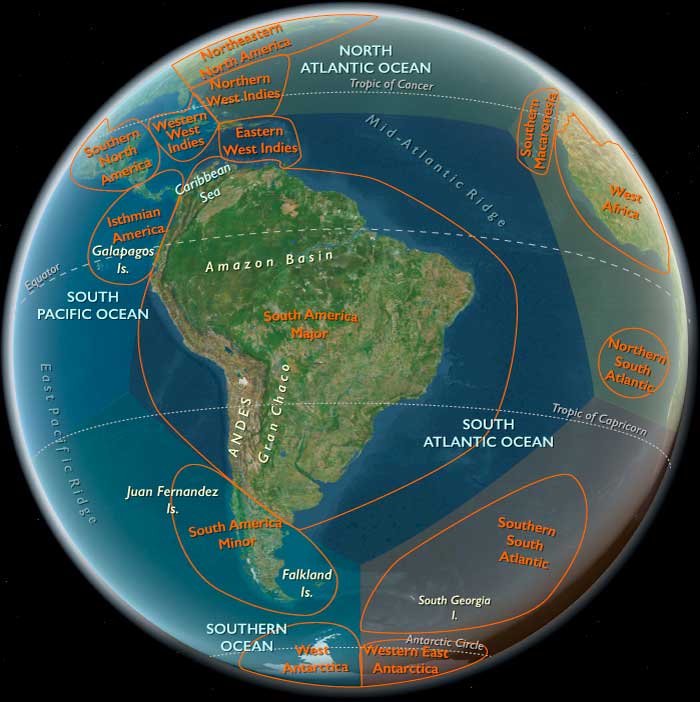
Antonio José de Sucre, upon learning that Bolívar has resigned and intends to leave the country,decides to go to Quito in order to resume his private life, but is assassinated by ambush near Pasto, at the Sierra de Berruecos in southern Colombia, on June 4, 1830.
The details of the murder are unclear and theories about the reason for it abound, but it certainly leaves no clear successor to Bolívar, who, when news of Sucre's death comes to him, says, "Se ha derramado, Dios excelso, la sangre del inocente Abel..." ("The blood of the innocent Abel has been spilled, God almighty...").
General José María Obando, who, as the vice president will serve for two years as interim President of the country, will be thought by some to have engineered the assassination, and one of the alleged assassins named in this theory will later be executed for his apparent role.
Later theories will implicate different (or additional) individuals, such as Juan José Flores, Agustín Gamarra, and Francisco de Paula Santander.
The department of Sucre in Colombia and the city of Sucre in Bolivia will be named for him, as will the future currency of Ecuador, and the State of Venezuela in which he was born, formerly Cumaná.
In Venezuela, where a large neighborhood in the city of Caracas is named Sucre, some of his descendants are to follow his military and political example.
-
{# Image navigates to the detail page; the magnifying-glass chip is the only Fancybox lightbox trigger (kept a separate sibling — anchors can't nest). #}
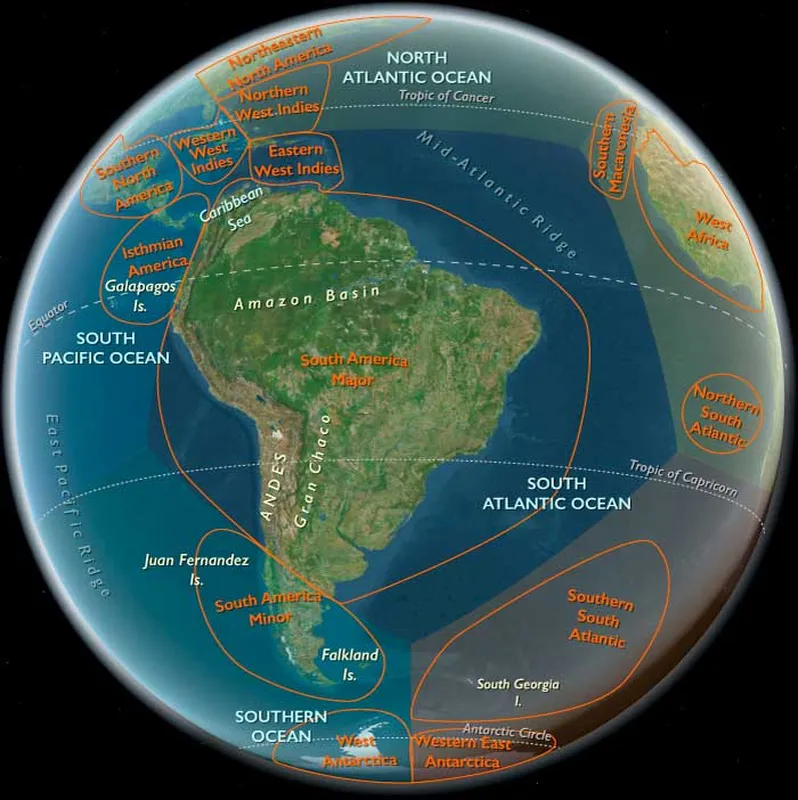 South America and The Eastern Isles
World
South America and The Eastern Isles
World
-
{# Image navigates to the detail page; the magnifying-glass chip is the only Fancybox lightbox trigger (kept a separate sibling — anchors can't nest). #}
 South America
Region
South America
Region
-
{# Image navigates to the detail page; the magnifying-glass chip is the only Fancybox lightbox trigger (kept a separate sibling — anchors can't nest). #}
 South America Major
Subregion
South America Major
Subregion