
The modern sandwich is named after the…
1756 CE to 1767 CE
The modern sandwich is named after the Right Honorable John Montagu, 4th Earl of Sandwich, yet the exact circumstances of its invention and original use are still the subject of debate.
The ancient Jewish sage Hillel the Elder is said to have wrapped meat from the Paschal lamb and bitter herbs between two pieces of old-fashioned soft matzah, flat, unleavened bread, during Passover in the manner of a modern "wrap" sandwich made with flatbread.
Flat breads of only slightly varying kinds have long been used to scoop or wrap small amounts of food en route from platter to mouth throughout Western Asia and northern Africa.
From Morocco to Ethiopia to India, bread is baked in flat rounds, contrasting with the European loaf tradition.
During the Middle Ages in Europe, thick slabs of coarse and usually stale bread, called "trenchers", were used as plates.
After a meal, the food-soaked trencher was fed to a dog or to beggars at the tables of the wealthy, and eaten by diners in more modest circumstances.
Trenchers were the precursors of open-face sandwiches.
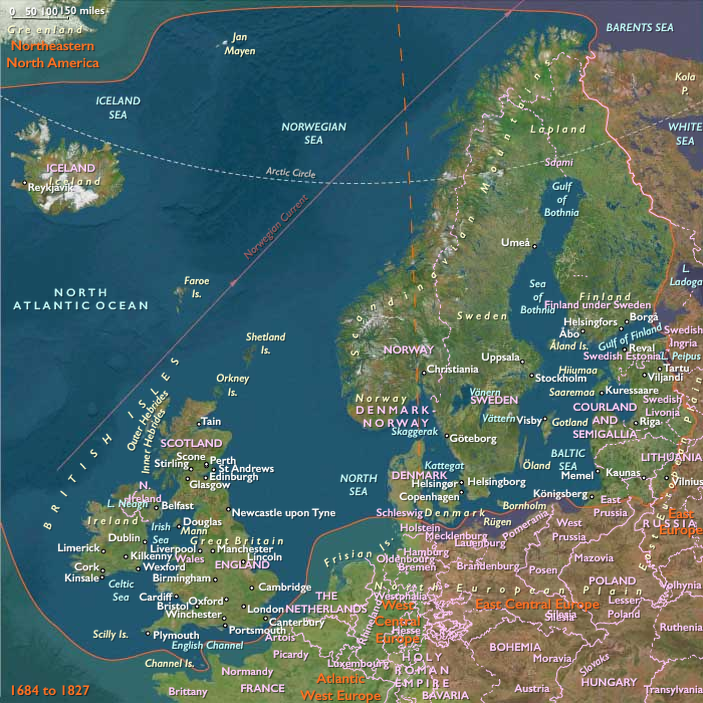
The immediate cultural precursor with a direct connection to the English sandwich was to be found in the Netherlands of the seventeenth century, where the naturalist John Ray observed that in the taverns beef hung from the rafters "which they cut into thin slices and eat with bread and butter laying the slices upon the butter"— explanatory specifications that reveal the Dutch belegde broodje, open faced sandwich, was as yet unfamiliar in England. (Ray, John; Observations topographical, moral, & physiological; made in a journey through part of the Low Countries, Germany, Italy, and France... (vol. I, 1673) quoted in Simon Schama, The Embarrassment of Riches: An Interpretation of Dutch Culture in the Golden Age (1987)).
Initially perceived as food men shared while gaming and drinking at night, the sandwich slowly began appearing in polite society as a late-night meal among the aristocracy.
A rumor in a contemporary travel book called Tour to London by Pierre Jean Grosley formed the popular myth that bread and meat sustained Lord Sandwich at the gambling table.
A very conversant gambler, Lord Sandwich does not take the time to have a meal during his long hours playing at the card table.
As a consequence, he asks his servants to bring him slices of meat between two slices of bread; a habit well known among his gambling friends.
Because John Montagu is the Earl of Sandwich others begin to order "the same as Sandwich!" - tand -he ‘sandwich’ is born.
The sober alternative is provided by Sandwich's biographer, N. A. M. Rodger, who suggests Sandwich's commitments to the navy, to politics and the arts mean the first sandwich was more likely to have been consumed at his work desk.
Commodities
Subjects
Regions
North Europe
View →Subregions
