Event
The Arapahos (in French: Gens de Vache),…
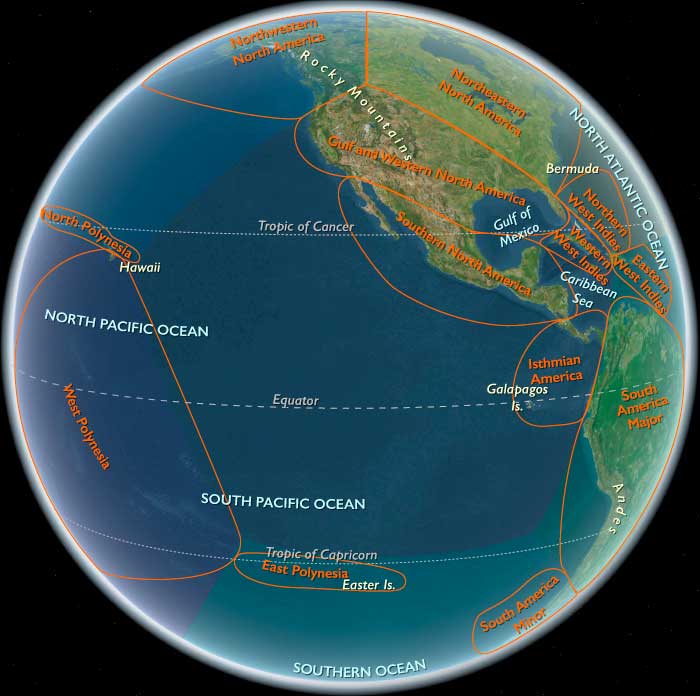
The Arapahos (in French: Gens de Vache), members of an Amerindian tribe historically living on the eastern plains of Colorado and Wyoming, are close allies of the Cheyenne tribe and loosely aligned with the Sioux.
Arapaho is an Algonquian language closely related to Gros Ventre, who are seen as an early offshoot of the Arapaho.
Blackfoot and Cheyenne are the other Algonquian languages on the Plains, but are quite different from Arapaho.
There is no direct historical or archaeological evidence to suggest how and when Arapaho bands entered the Plains culture area.
The Arapaho Indian tribe most likely lived in the wild rice-growing areas of Minnesota and North Dakota before entering the Plains.
At this time, before European expansion into the area, the Arapahos are living in South Dakota, Nebraska, Colorado, Wyoming, and Kansas.
They live in teepees that the women make from bison hide.
Chasing herds, they migrate often, so they have had to design their teepees so that they could be transported easily.
It is said that a whole village could pack up their homes and belongings and be ready to leave in only an hour.
In winter, the tribe splits up into small camps sheltered in the foothills of the Rocky Mountains in present-day Colorado.
In late spring, they move out onto the Plains into large camps to hunt buffalo gathering for the birthing season.
In midsummer, Arapahos travel into the Parks region of Colorado to hunt mountain herds, returning onto the Plains in late summer to autumn for ceremonies and for collective hunts of herds gathering for the rutting season.
After 1830, the Arapaho split into northern and southern divisions, living near the Platte River in Wyoming and ...
-
{# Image navigates to the detail page; the magnifying-glass chip is the only Fancybox lightbox trigger (kept a separate sibling — anchors can't nest). #}
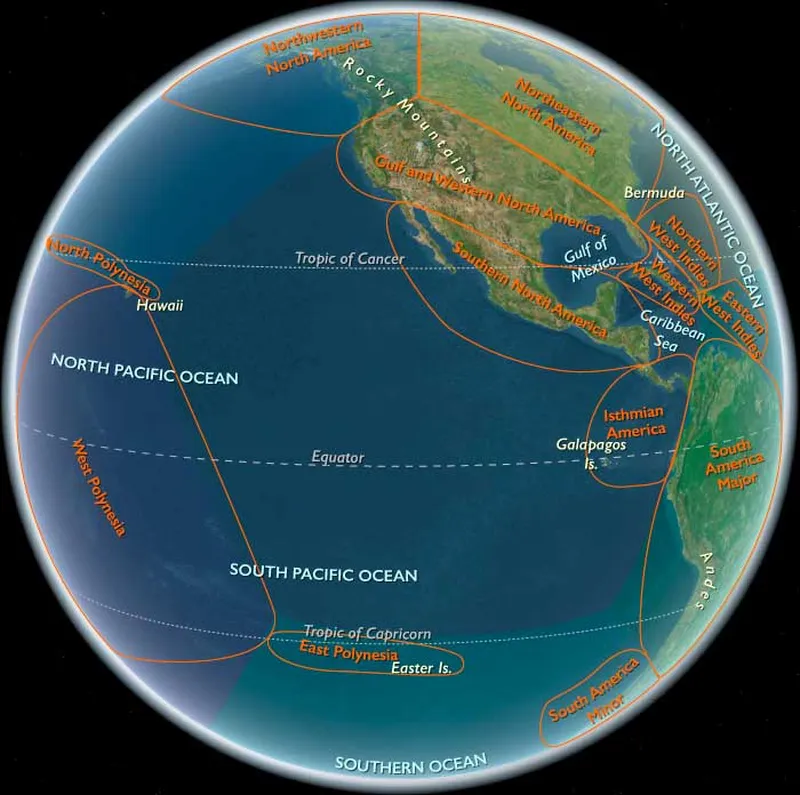 The Far West
World
The Far West
World
-
{# Image navigates to the detail page; the magnifying-glass chip is the only Fancybox lightbox trigger (kept a separate sibling — anchors can't nest). #}
 Northern North America
Region
Northern North America
Region
-
{# Image navigates to the detail page; the magnifying-glass chip is the only Fancybox lightbox trigger (kept a separate sibling — anchors can't nest). #}
 Gulf and Western North America
Subregion
Gulf and Western North America
Subregion