The area surrounding Ephesus, located midway between…
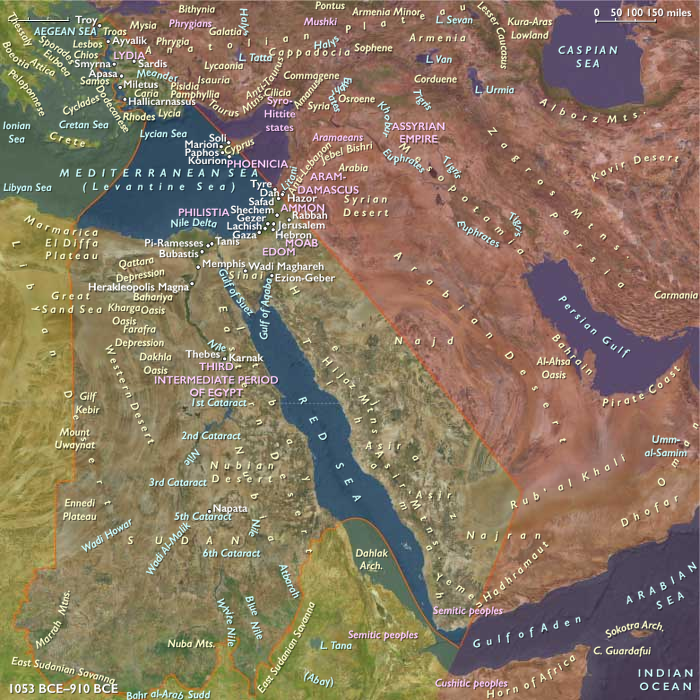
1053 BCE to 910 BCE
The area surrounding Ephesus, located midway between the Mediterranean and the Dardanelles, was already inhabited during the Neolithic Age (about 6000 BCE) as was revealed by the excavations at the hoyuk (mounds) at Arvalya and Cukurici Mounds.
Excavations in recent years have unearthed settlements from the early Bronze Age at the Ayasuluk Hill.
A burial ground from the Mycenaean era (1500-1400 BCE) with ceramic pots will be discovered in 1954 close to the ruins of the basilica of St. John.
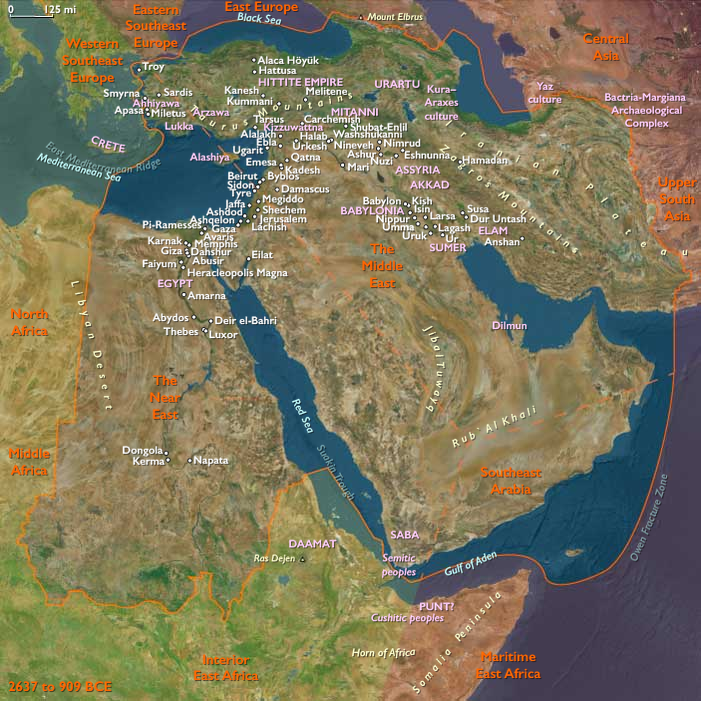
This was the period of the Mycenaean Expansion when the Achaioi (as they were called by Homer) settled in Ahhiyawa during the fourteenth and the thirteenth centuries BCE.
Scholars believe that Ephesus was founded on the settlement of Apasa (or Abasa), a Bronze Age-city noted in fourteenth century BCE Hittite sources as in the land of Ahhiyawa.
The city of Ephesus itself is founded as an Attic-Ionian colony in the tenth century BCE on the Ayasuluk Hill, three kilometers from the center of antique Ephesus (as attested by excavations during the 1990s at the Seljuq castle ).
The mythical founder of the city is Androklos, son of king Kadros and a prince of Athens, who had to leave his country after the death of his father.
According to legend, he founded Ephesus on the place where the oracle of Delphi became reality ("A fish and a boar will show you the way").
Androklos drove away most of the native Carian and Lelegian inhabitants of the city and united his people with the remainder.
He was a successful warrior and, as king, he was able to join the twelve cities of Ionia together into the Ionian League.
During his reign, the city began to prosper.
Groups
Topics
Regions
The Near and Middle East
View →Subregions