The Assiniboine and Sioux had both gradually…
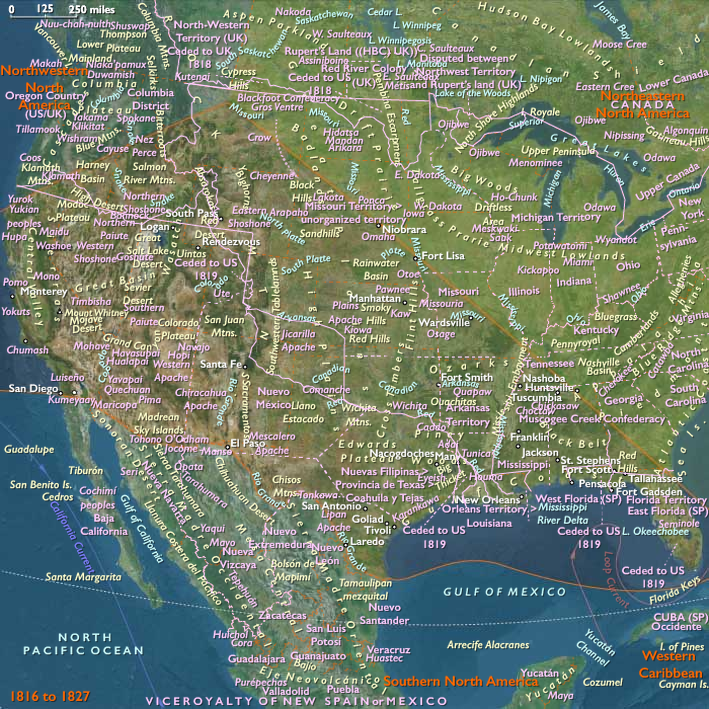
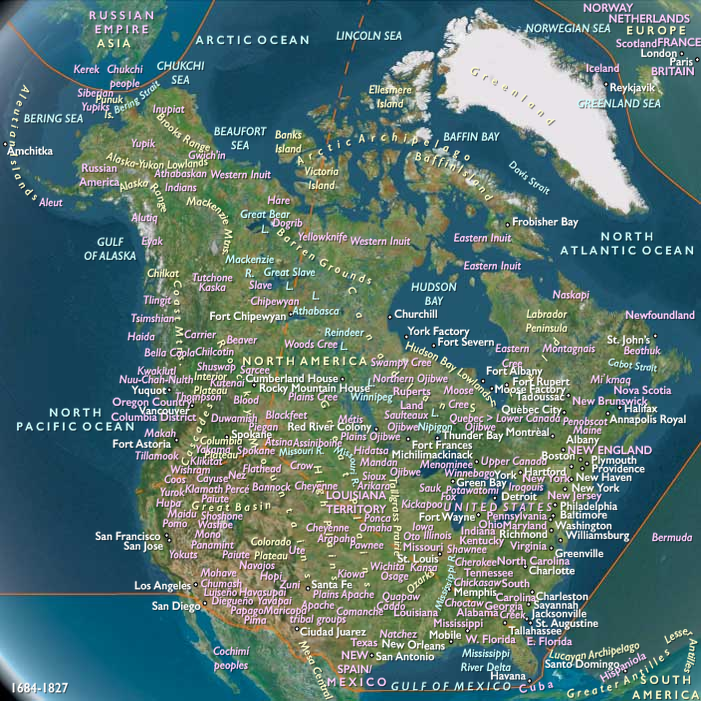
1684 CE to 1827 CE
Later, the Assiniboine had acquired horses via raiding and trading with neighboring tribes of Plains tribes such as the Crow and the Sioux on their south.
The Assiniboine eventually develop into a large and powerful people with a horse and warrior culture; they use the horse to hunt the vast numbers of bison that live within and outside their territory.
At the height of their power, the Assiniboine dominate territory ranging from the North Saskatchewan River in the north to the Missouri River in the south, and including portions of modern-day Saskatchewan, Alberta, and Manitoba, Canada; and North Dakota and Montana, United States of America.
The first person of European descent to describe the Assiniboine is an employee of the Hudson's Bay Company named Henry Kelsey in the 1690s.
Later explorers and traders Jean Baptiste de La Vérendrye and his sons (1730s), Anthony Henday (1754–55), and Alexander Henry the younger (1800s) confirm that the Assiniboine hold a vast territory across the northern plains, including into the United States (which achieves independence in 1776 but does not acquire the plains until 1803 in the Louisiana Purchase from France.)
Groups
Crow people, aka Absaroka or Apsáalooke (Amerind tribe)
View →
Yankton Sioux Tribe
View →
Dakota, aka Santee Sioux (Amerind tribe)
View →
Assiniboine people (Amerind tribe)
View →
Ojibwa, or Ojibwe, aka or Chippewa (Amerind tribe)
View →
Lakota, aka Teton Sioux (Amerind tribe)
View →
New France (French Colony)
View →
Jesuits, or Order of the Society of Jesus
View →
Plains Indian culture
View →
France, (Bourbon) Kingdom of
View →
Hudson's Bay Company (HBC)
View →
Hudson's Bay Company (HBC)
View →
United States of America (US, USA) (Washington DC)
View →
Topics
Subjects
Regions
Northern North America
View →Subregions