
Early Life and Background of Desiderius Erasmus …
Years: 1494 - 1494
Early Life and Background of Desiderius Erasmus (1460s–1492)
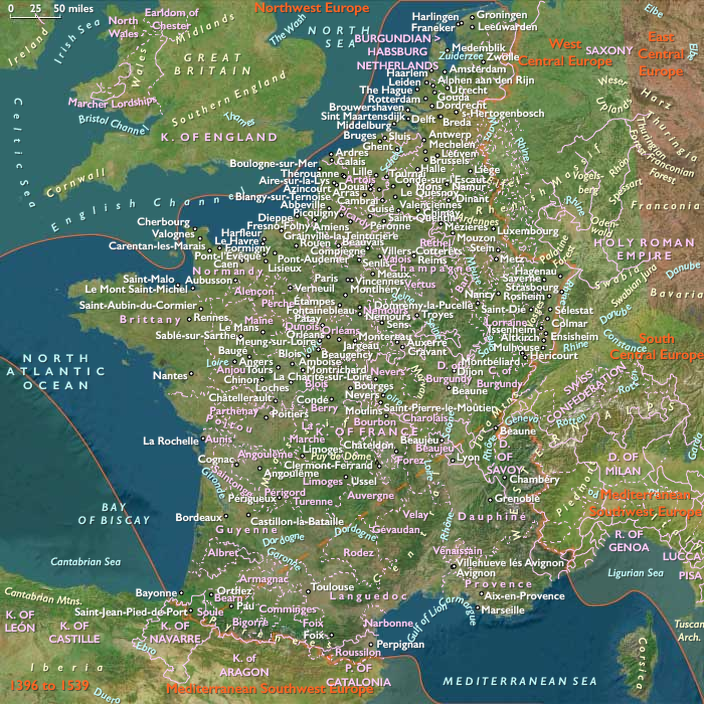
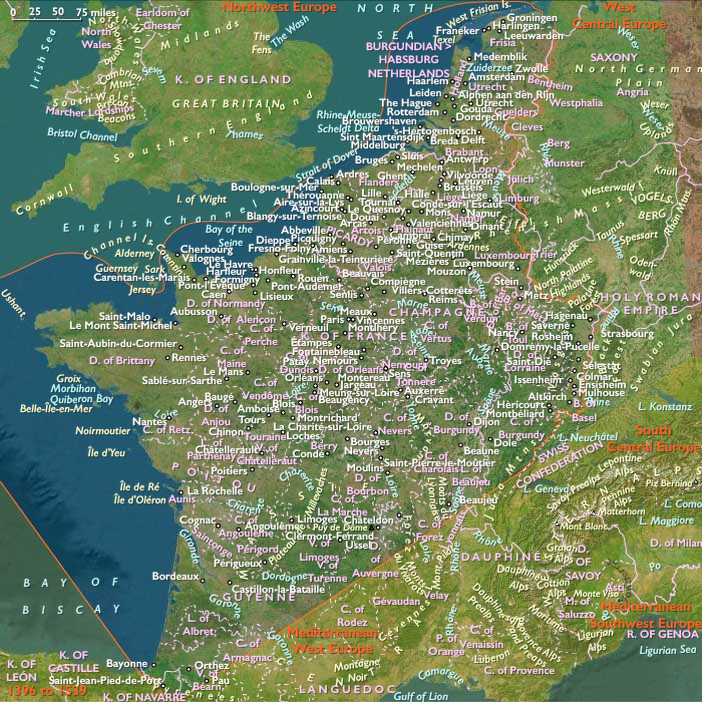
The renowned humanist scholar Desiderius Erasmus was born on October 28 in the late 1460s, most likely in Rotterdam; however, historian Renier Snooy (1478–1537) suggests that his birthplace may have been Gouda. While the exact year of Erasmus's birth remains debated among historians, the consensus places it around 1466. Named after Saint Erasmus, the scholar spent only his early childhood in Rotterdam, leaving at four years old and never returning.
Information regarding Erasmus's family and formative years is primarily derived from fragmented references in his later writings. Erasmus was born out of wedlock; his parents were never legally married. His father, Gerard, served as a Catholic priest and curate in Gouda. Little is known of his mother beyond her name, Margaretha Rogerius (the Latinized form of the Dutch surname "Rutgers"), who was the daughter of a physician from Zevenbergen and may have been Gerard's housekeeper. Erasmus himself viewed the circumstances of his birth as a blemish, leading him later in life to obscure and downplay these details.
Education and Early Intellectual Development
Despite his uncertain beginnings, Erasmus received the finest education available to young men of his era, primarily in monastic or semi-monastic settings. At age nine, Erasmus and his elder brother, Peter, attended one of the Netherlands' premier Latin schools located in Deventer, associated with the clergy of the Lebuïnuskerk (St. Lebuin's Church). Some earlier biographies suggest that the institution may have been operated by the Brethren of the Common Life. Under the influential leadership of the school's headmaster, Alexander Hegius, Erasmus encountered a groundbreaking curriculum that included Greek instruction, marking the first time Greek was taught below university level in Europe. Erasmus’s foundational studies here also emphasized cultivating a personal relationship with God, although he notably resisted the strict discipline enforced by his educators.
This educational journey was abruptly interrupted in 1483, when a devastating plague struck Deventer, claiming the life of his mother, who had relocated there to support her sons.
Monastic Life, Personal Relationships, and Early Career
Following these personal setbacks, Erasmus entered the monastic life. Around age twenty-five, he was ordained a Catholic priest after studying at the monastery of Stein. Despite this, Erasmus scarcely practiced active priesthood, and throughout his life, he vociferously critiqued certain aspects of religious orders, particularly their perceived excesses and rigidness.
While at Stein, Erasmus developed a strong emotional attachment to a fellow canon named Servatius Rogerus. This relationship, described in passionate terms in Erasmus's correspondence, later became a sensitive aspect of his biography. Another potentially controversial episode occurred during his time as a tutor for Thomas Grey, from which Erasmus was dismissed abruptly—though without any explicit public allegations against him. In later life, Erasmus sought to distance himself from these earlier incidents through explicit condemnations of homosexuality and advocacy of marital sexuality in his published writings.
Dispensation and Humanist Career
In 1492, due to poverty of health and his passion for humanistic scholarship, Erasmus obtained a temporary dispensation from his monastic vows while remaining ordained as a priest. This allowed him to leave Stein to pursue scholarly endeavors. The dispensation, a rare privilege at the time, was later made permanent by Pope Leo X. Thus, Erasmus transitioned from monastic life to a distinguished career as a scholar, launching his remarkable ascent as one of the most influential figures of the European Renaissance.
Locations
People
Groups
Topics
Subjects
Regions
Subregions
Years: 1494 - 1494
Locations
People
Groups
Topics
Subjects
Regions
Subregions