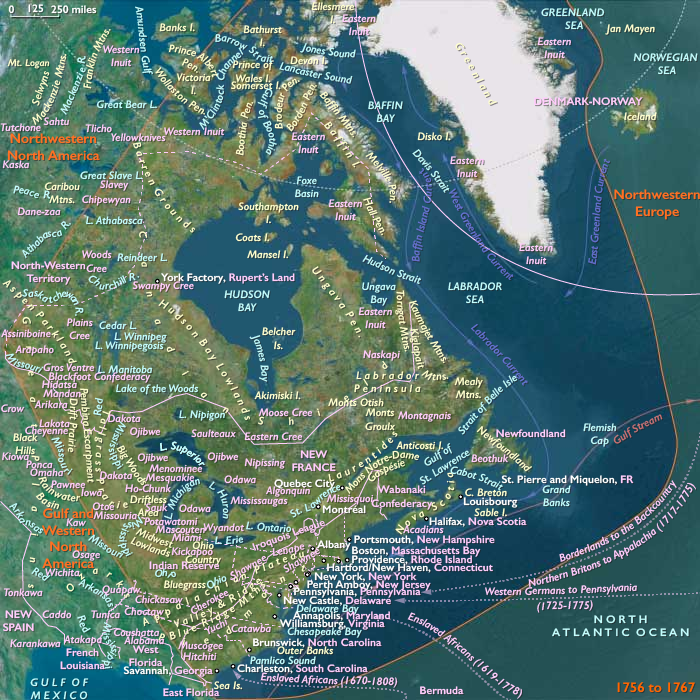
Bourlamaque had withdrawn with all but four…
July 1759 CE
The cannon fire by this small force kills five and wounds another thirty-one of the besieging British.
Captain Louis-Philippe Le Dossu d'Hébécourt, who has been left in command of the fort, judges on the evening of July 26 that it is time to leave.
His men aim the fort's guns at its walls, lay mines, and put down a powder trail to the overstocked powder magazine.
They then light the fuse and abandon the fort, leaving the French flag flying.
The British are notified of this action by the arrival of French deserters.
General Amherst offers one hundred guineas to any man willing to enter the works to find and douse the fuse; but no one is willing to take up the offer.
The entire works goes off late that evening with a tremendous roar.
The powder magazine is destroyed, and a number of wooden structures catch fire due to flying embers, but the fort's walls are not badly damaged.
After the explosion, some of Gage's light infantry rush into the fort and retrieve the French flag.
Fires in the fort will not be entirely extinguished for two days.
People
Groups
Iroquois (Haudenosaunee, also known as the League of Peace and Power, Five Nations, or Six Nations)
View →
New France (French Colony)
View →
France, (Bourbon) Kingdom of
View →
Ohio Country
View →
Friends, Religious Society of (Quakers)
View →
Connecticut (English Crown Colony)
View →
New York, Province of (English Colony)
View →
Pennsylvania, Province of (English Colony)
View →
Massachusetts, Province of (English Crown Colony)
View →
New Jersey (English Colony)
View →
Britain, Kingdom of Great
View →
Rogers' Rangers
View →
Topics
Regions
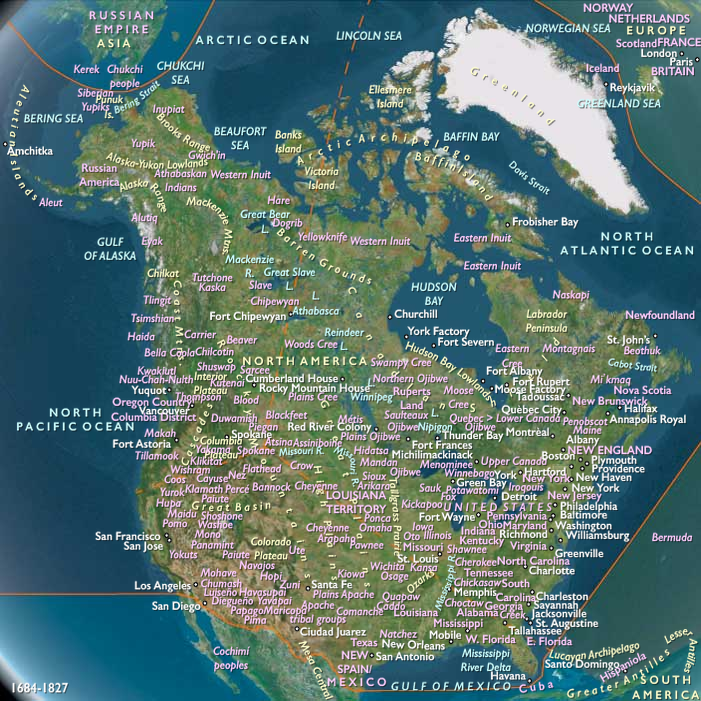
Northern North America
View →Subregions