
Colonel Nathan Denison agrees the next morning…
July 1778 CE
Butler paroles them on their promise to take no part in further hostilities.
Non-combatants are spared and only a few inhabitants are molested after the forts' surrender.
According to one source, sixty Patriot bodies were found on the battlefield and another thirty-six on the line of the retreat.
All are buried in a common grave.
Out of one thousand men available, John Butler reports only two Loyalist Rangers and one native killed, and eight natives wounded.
He claims that his force had taken two hundred and twenty-seven scalps, burned one thousand houses, and driven off one thousand cattle plus many sheep and hogs.
Of the sixty Continentals and three hundred militiamen involved, only about sixty had escaped the disaster, though Graymont states about three hundred and forty killed. (Graymont, Barbara (1972). The Iroquois in the American Revolution. Syracuse, N.Y.: Syracuse University Press.)
The Seneca are angered from the accusations of atrocities they say they had not committed, and at the militia taking arms after being paroled.
People
Groups
Iroquois (Haudenosaunee, also known as the League of Peace and Power, Five Nations, or Six Nations)
View →
Mohawk people (Amerind tribe)
View →
Oneida people (Amerind tribe)
View →
Tuscarora (Amerind tribe)
View →
Seneca (Amerind tribe)
View →
France, (Bourbon) Kingdom of
View →
Britain, Kingdom of Great
View →
Patriots (American Revolution)
View →
Loyalists (American Revolution)
View →
Pennsylvania, Commonwealth of (U.S.A.)
View →
United States of America (US, USA) (Philadelphia PA)
View →
Americans
View →
New York, independent state of
View →
Topics
Regions
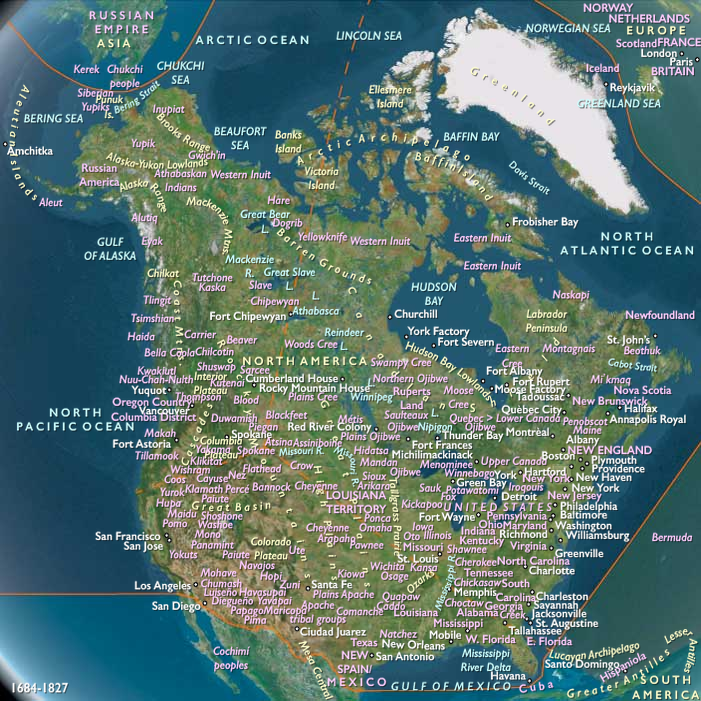
Northern North America
View →Subregions
