Event
The Carthaginians of Cadiz had whispered of…
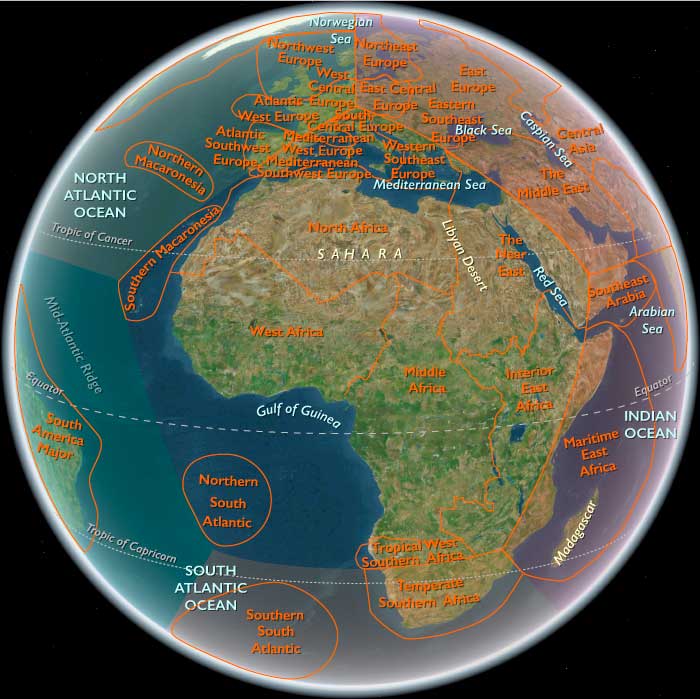
The Carthaginians of Cadiz had whispered of the Canary Islands, those elusive lands that lay hidden in the depths of the sea.
Pliny, the renowned Roman writer, bestowed upon them the title of "the Fortunate Islands," hinting at the bountiful treasures they held.
It was in the year 1291 that the Vivaldi brothers, Vandino and Ugolino, embarked on a daring voyage from Genoa, their sights set on the distant shores of India.
But the fate of these intrepid sailors remains a mystery, their final destination lost to the annals of time, leaving us to wonder about their ultimate fate.
Then came Lancelotto Malocello, a fearless navigator hailing from Genoa, driven by an insatiable curiosity to explore the unknown.
In 1312, he arrived on one of these fabled islands, perhaps due to the capricious whims of a merciless sea or the twists of fate that guide the lives of men
For nearly two decades, he made these lands his home, until a rebellion led by the Guanches, the indigenous people of the island, forced him to depart.
Details of this uprising are scant, obscured by the veils of time.
However, echoes of Malocello's presence lingered in the chronicles of Jean de Bethencourt's later conquest, attesting to the existence of the fortress he had erected, a testament to his dominion.
Teguise, standing tall upon its perch, bore witness to the strength of Malocello's stronghold, a silent sentinel in the night.
In those days, a ruler named Zonzamas held sway over the island, his name resonating through the ages.
Upon his passing, his daughter Ico ascended the throne, alongside her consort Guanarame, their reign a testament to the power inherited from their forebears.
But it was their son, Guadarfia, who would extend a welcoming hand to Jean de Bethencourt's expedition in the year 1402.
The tides of history had carried the story forward, intertwining the lives of those who sought adventure with the fate of these enigmatic isles.
-
{# Image navigates to the detail page; the magnifying-glass chip is the only Fancybox lightbox trigger (kept a separate sibling — anchors can't nest). #}
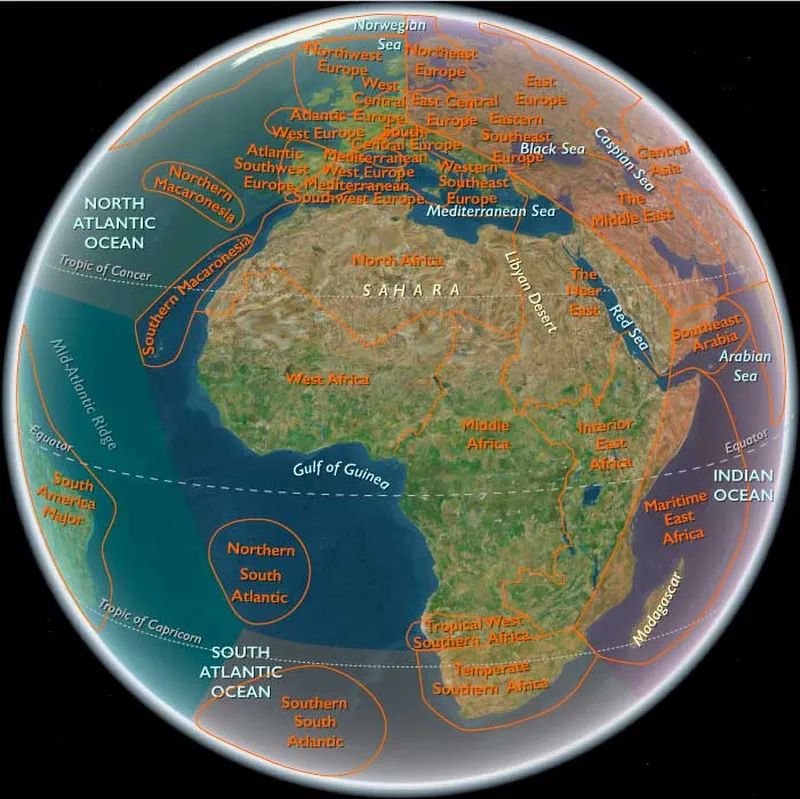 The Middle of The Earth
World
-
{# Image navigates to the detail page; the magnifying-glass chip is the only Fancybox lightbox trigger (kept a separate sibling — anchors can't nest). #}
 Macaronesia
Region
-
{# Image navigates to the detail page; the magnifying-glass chip is the only Fancybox lightbox trigger (kept a separate sibling — anchors can't nest). #}
 Southern Macaronesia
Subregion