
Filters:
The Cimbri’s Conflict with the Arverni and …
Years: 105BCE - 105BCE
The Cimbri’s Conflict with the Arverni and the Rise of Gaius Marius (c. 106–104 BCE)
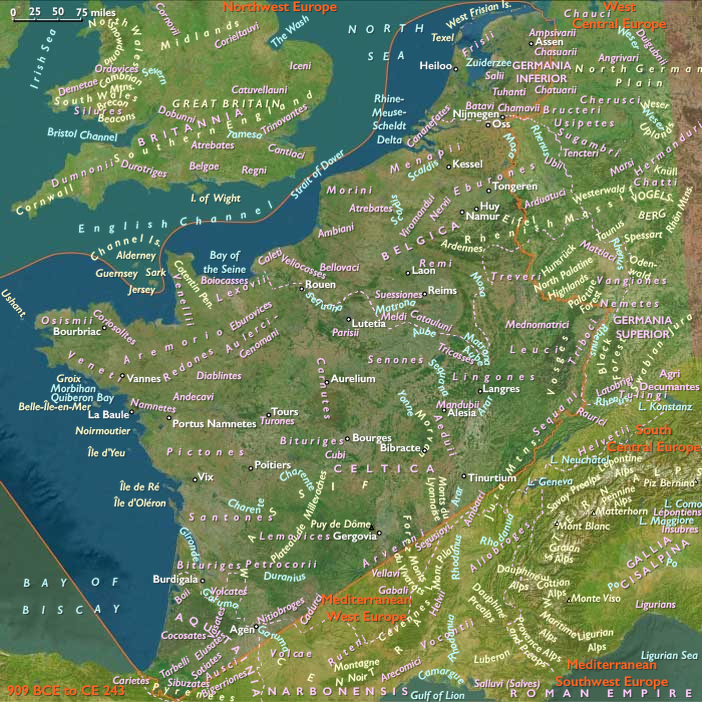
After their series of victories over the Romans (113–107 BCE), the Cimbri next clashed with the Arverni, one of the most powerful Celtic tribes in Gaul. Despite their earlier success against the Romans, the Cimbri faced fierce resistance from the Arverni, leading to a hard-fought struggle.
The Cimbri's Decision to Move Toward the Pyrenees
- Rather than immediately marching into Italy, the Cimbri changed course and set out for the Pyrenees, possibly seeking new territories or trying to avoid prolonged warfare in Gaul.
- This diversion delayed their direct conflict with Rome, allowing the Romans a critical period to regroup and strengthen their defenses.
- The temporary absence of the Cimbri from Italy created an opportunity for Rome to reevaluate its military strategies.
The Election of Gaius Marius: Rome’s Response to the Cimbrian Threat
- With Rome in crisis following a string of humiliating defeats, the Senate and the Roman people turned to a proven military leader: Gaius Marius.
- Marius, a skilled general and veteran of previous wars, was elected consul in 107 BCE and again in 104 BCEto deal with the escalating barbarian threat.
- His military reforms would revolutionize the Roman army, including:
- The recruitment of landless citizens (breaking the traditional property requirements for soldiers).
- Reorganization of the legions, improving discipline and battlefield effectiveness.
- Standardization of weapons and training, making Rome’s army more adaptable and efficient.
The Turning Point in the Cimbrian War
- The Cimbri’s decision to delay their advance into Italy gave Rome the breathing space it desperately needed.
- Marius' leadership and reforms ultimately transformed Rome’s military and prepared it for the decisive battles that would culminate in Rome’s final victory over the Cimbri and their allies in 102–101 BCE.
- This period marked the beginning of Marius’ dominance in Roman politics and set the stage for future power struggles in the late Republic.
The Cimbri’s diversion toward the Pyrenees inadvertently led to the rise of Rome’s greatest military reformer, ensuring that when they finally returned, they would face a far more formidable Roman army led by a strategic mastermind.
Locations
People
Groups
Topics
Commodoties
Subjects
Regions

Subregions
Years: 105BCE - 105BCE
Locations
People
Groups
Topics
Commodoties
Subjects
Regions
Subregions