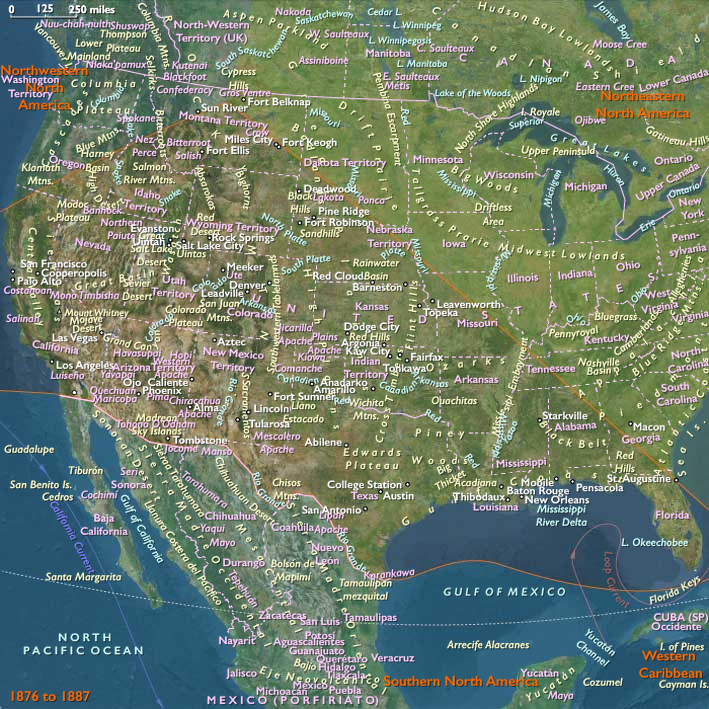
This so-called Sheepeater Indian War is the…
1879 CE
This so-called Sheepeater Indian War is the last Indian war fought in the Pacific Northwest region of the present-day United States.
Euro-American immigrants have arrived in unprecedented numbers in the territories of the Pacific Northwest following the completion of the First Transcontinental Railroad in 1869.
Settlers in Idaho Territory have accused the Western Shoshone, or Turakina people, of stealing horses in Indian Valley and killing three settlers near present-day Cascade, Idaho during the pursuit.
The Turakina had been accused of killing two prospectors in an ambush at Pearsall Creek, five miles from Cascade, in August 1878.
By February 1879, they are accused of the murders of five Chinese miners at Oro Grande, murders at Loon Creek, and finally the murders of two ranchers in the South Fork of the Salmon River in May.
There is no evidence for these accusations.
Heading the campaign against this band of approximately three hundred Western Shoshones, called Sheepeaters because of their proficiency in hunting Rocky Mountain sheep, is Troop G of the 1st Cavalry led by Captain Reuben Bernard, Company C and a detachment of Company K from the 2nd Infantry Regiment under the command of First Lieutenant Henry Catley, and twenty native scouts commanded by Lieutenant Edward Farrow of the 21st Infantry.
The troops are all heading toward Payette Lake, near present day McCall.
Bernard heads north from Boise barracks, Catley heads South from Camp Howard, and Farrow heads East from the Umatilla Agency.
Throughout the campaign, the troops face difficulty traveling through the rough terrain.
The first segment of the campaign, from May 31 to September 8, is through the Salmon River, dubbed the "River of No Return" because it is barely navigable.
By August 20, a Sheepeater raiding party of ten to fifteen men attacks the troops as they guard a pack train at Soldier Bar on Big Creek.
Those who defend the pack train include Corporal Charles B. Hardin along with six troopers and the chief packer, James Barnes.
They manage to drive the Sheepeaters off with only one casualty, Private Harry Eagan, of the 2nd Infantry.
By October, the campaign ends once Lieutenants W.C. Brown and Edward S. Farrow, along with a group of twenty Umatilla scouts, negotiate the surrender of the Sheepeaters.
People
Groups
Topics
Regions
Northern North America
View →Subregions