Colonially oriented historians have asserted that the…
1540 CE to 1683 CE
Colonially oriented historians have asserted that the Maya had left the area long before the arrival of British settlers, but many Maya are still in Belize when the Europeans come in the sixteenth and seventeenth centuries.
Archaeological and ethnohistorical research confirms that several groups of Mayan peoples lived in the area now known as Belize in the sixteenth century.
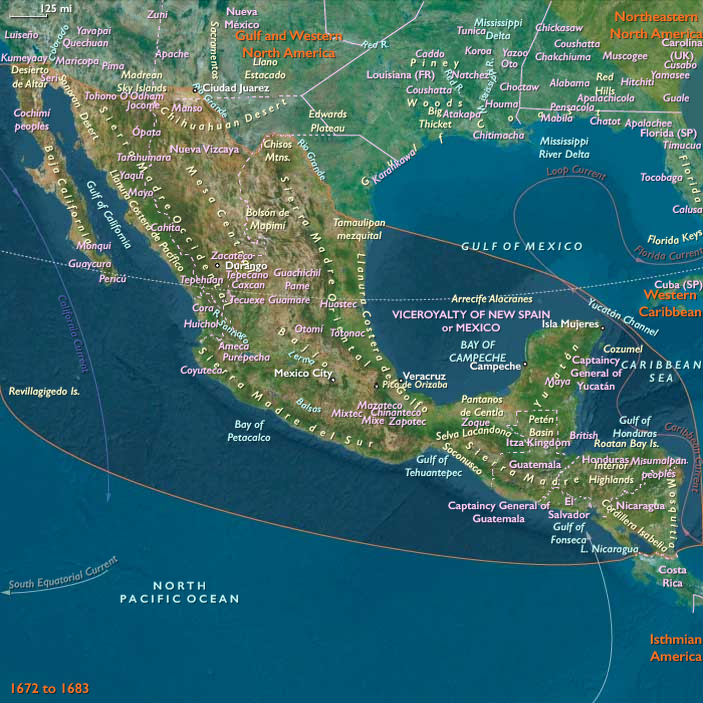
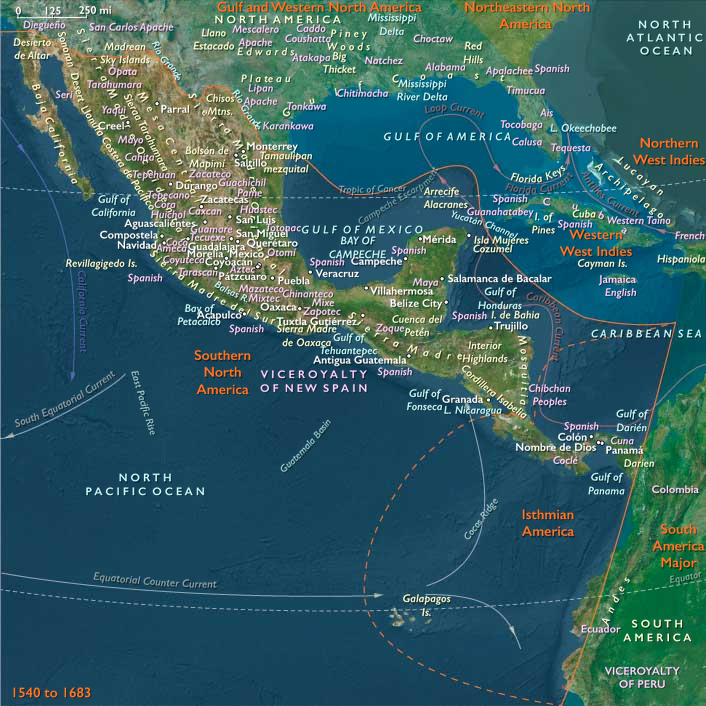
The political geography of this period does not coincide with present-day boundaries, so several Mayan provinces lie across the frontiers of modern Belize, Mexico, and Guatemala.
The Mayan province of Chetumal, for example, consists of the northern part of present-day Belize and the southern coast of the Mexican state Quintana Roo.
In the south, spreading west over the present-day frontier between Belize and Guatemala, are the Mopan Maya, and still farther south, the Choi-speaking Manche groups.
In central Belize lies the province of Dzuluinicob, meaning "land of foreigners" or "foreign people."
This province stretches from the New River in the north to the Sittee River in the south, and from close to the present-day Guatemalan border in the west to the sea.
The apparent political center of this province is Tipu, located east of modern Benque Viejo del Carmen.
Lamanai, several towns on the New River and on the Belize River, and Xibun on the Sibun River, are included in this province.
Locations
Groups
Topics
Subjects
Regions
Middle America
View →Subregions