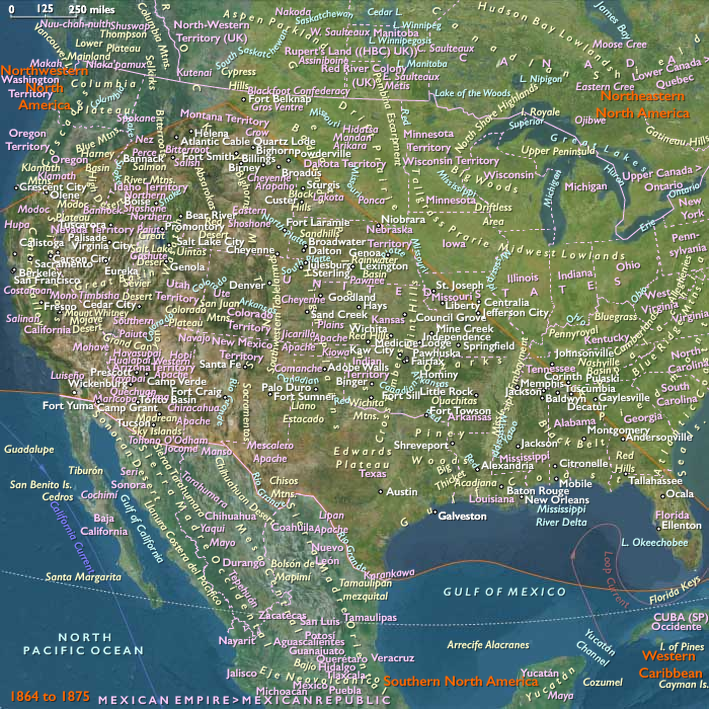
The region of present Nevada in the…
September 1864 CE
The region of present Nevada in the early 1860s has seen the end of an Indian war, the great Comstock mining boom of 1859 in Virginia City and the coming of the Civil War.
The provisional territorial government had led to the creation of Nevada Territory by Congress in 1861.
The pragmatic attempts to establish workable frontier institutions had failed and the paternalistic territorial system had been welcomed.
The Comstock Lode, discovered in 1858 by James Finney in Carson County, had opened the era of silver mining in Nevada, and has attracted thousands of miners—most from California.
Disputes over the legal limits of a claim had soon gone to court, as the Law of the Apex, used to determine those limits, is unworkable for the deep ore bodies in the Comstock.
The legal and judicial system of Carson County is unprepared for the tremendous demands placed on it.
Judges are underpaid and underqualified, bribery of witnesses and jurors is commonplace, vague record-keeping creates nearly insurmountable difficulties with property titles, and evidence is often destroyed.
Though workable mining laws are still needed, the resignation of the entire territorial supreme court in 1864 does cause litigation to stop and allows mining work to resume.
Statehood comes in 1864 following a Carson City convention (July 4–28) and a public vote on September 7 (the population of 6,857 in 1860 will increase to 42,941 in 1870), although Nevada has far fewer than the 40,000 people usually required.
Groups
Topics
Commodities
Subjects
Regions
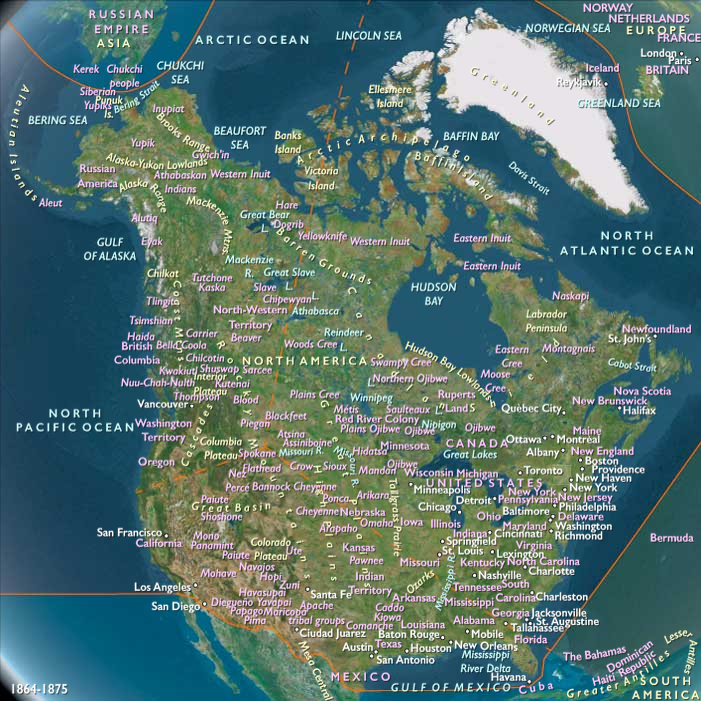
Northern North America
View →Subregions