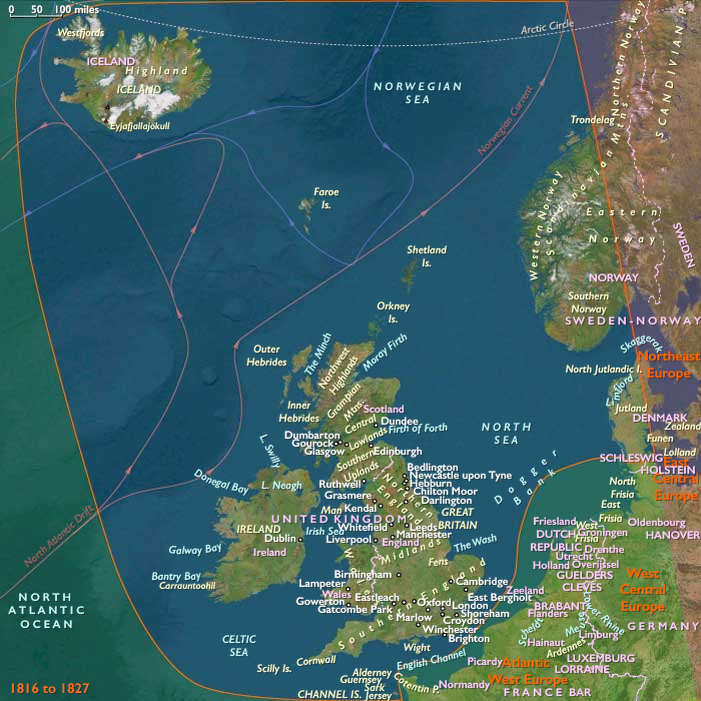
Joseph Aspdin patents Portland cement in 1824.…
October 1824 CE
Aspdin (or Aspden). the eldest of the six children of Thomas Aspdin, a bricklayer living in the Hunslet district of Leeds, Yorkshire, had been baptized on Christmas Day, 1778.
He had entered his father's trade, and married Mary Fotherby at Leeds Parish Church (the Parish Church of St Peter at Leeds) on May 21, 1811.
By 1817 he had set up in business on his own in central Leeds.
He must have experimented with cement manufacture during the next few years, because on October 21, 1824, he is granted the British Patent BP 5022 entitled An Improvement in the Mode of Producing an Artificial Stone, in which he coins the term "Portland cement" by analogy with the Portland stone, an oolitic limestone that is quarried on the channel coast of England, on the Isle of Portland in Dorset.
However, his son William Aspdin will be regarded as the inventor of "modern" Portland cement due to his developments in the 1840s.
Portland cement is today the most common type of cement in general use around the world as a basic ingredient of concrete, mortar, stucco, and non-specialty grout.
Locations
Regions
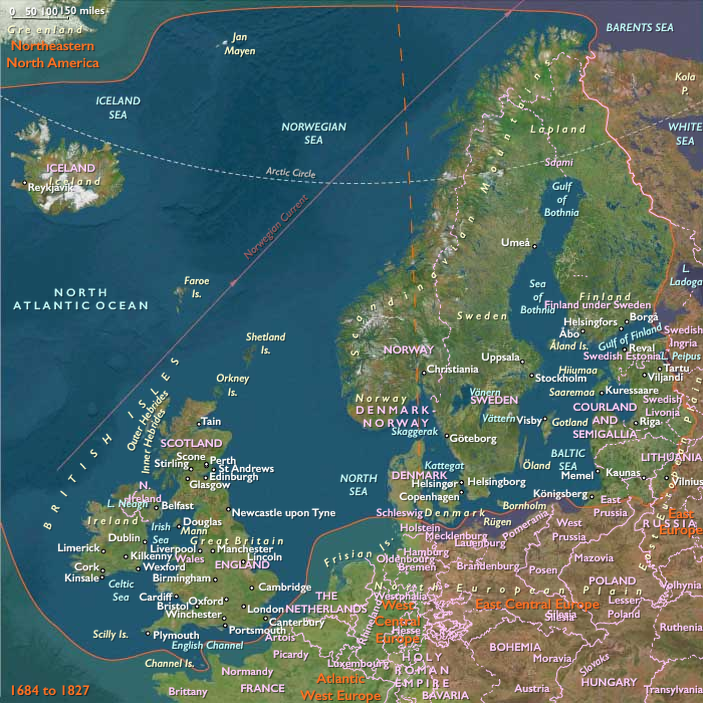
North Europe
View →Subregions