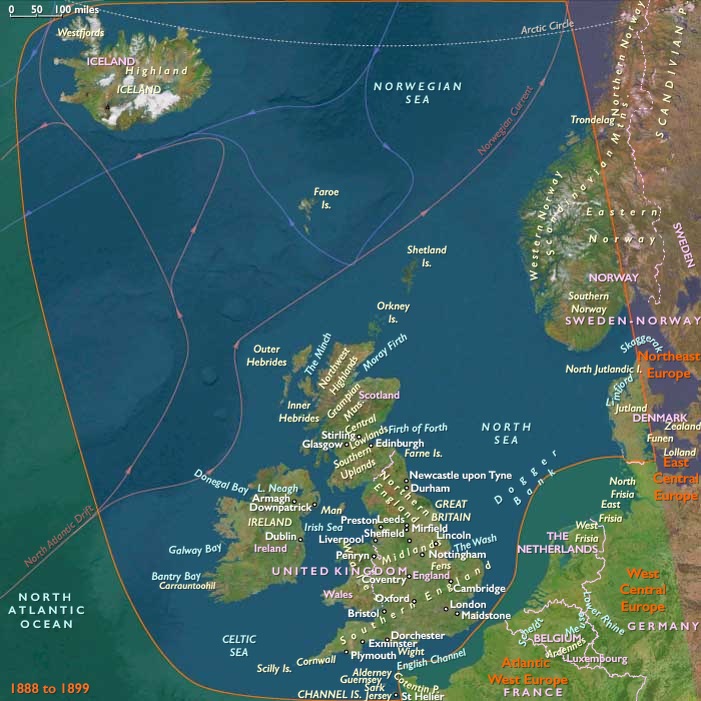
The Armagh rail disaster near Armagh, Ireland…
June 1889 CE
The inquest will be completed on Friday, June 21, 1889, and will make findings of culpable negligence against six of those involved; those at Dundalk responsible for selection of the engine, the driver and both guards on the train, and Mr. Elliott, who had taken charge.
As a result, three of the accused will be committed for trial for manslaughter on the following Monday (One guard had been injured in the crash and was presumably still in hospital; the Dundalk personnel were not charged, the 'practical trial' showing that the engine supplied should not have been defeated by Armagh bank if correctly handled having been carried out on Saturday, June 22).
The jury will not be reported to have made any findings against more senior management of the Great Northern Railway of Ireland.
Elliott will be tried in Dublin in August, when the jury will report they are unable to agree; on re-trial in October he will be acquitted.
The cases against the other defendants will then be dropped.
Within two months of the Armagh disaster, Parliament will enact the Regulation of Railways Act 1889, which authorizes the Board of Trade to require the use of continuous automatic brakes on passenger railways, along with the block system of signalling and the interlocking of all points and signals.
This is often taken as the beginning of the modern era in UK rail safety.
Locations
Topics
Regions
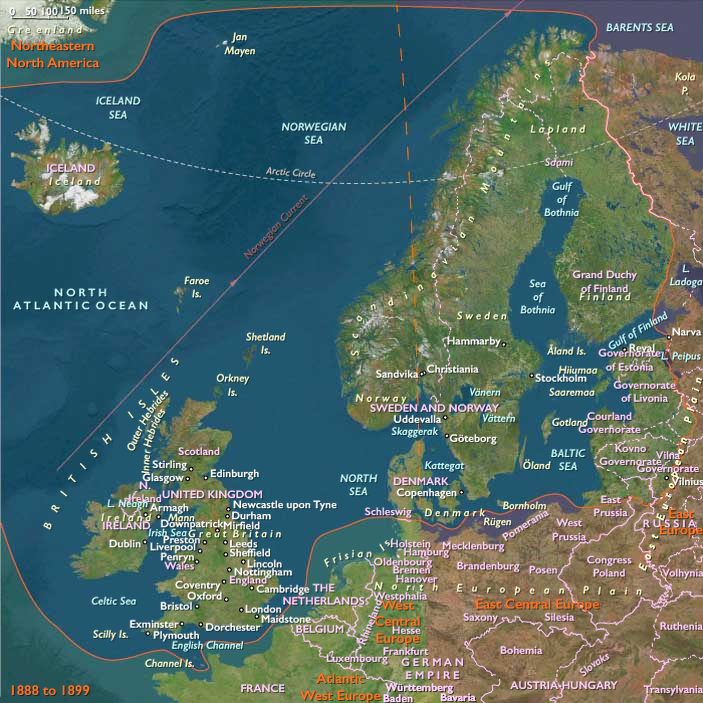
North Europe
View →Subregions