
...reaching Lake Champlain at a point between …
Years: 1757 - 1757
January
...reaching Lake Champlain at a point between Fort Carillon and Fort St. Frédéric on January 21.
After spotting a sled moving on the lake toward Fort St. Frédéric, Rogers sends Lieutenant John Stark and some men to intercept it.
However, more sleds are spotted, and Stark's men are seen before they can retreat back into the woods.
The sleds turned back toward Carillon.
The British give chase, but most of the French escape.
Rogers succeeds in taking seven prisoners.
Rogers' men now walk into an ambush, according to his estimate, by "two hundred and fifty French and Indians."
The British were fortunate that many of the French muskets misfire due to wet gunpowder, as the surprise is nearly complete.
Lieutenant Stark, who is bringing up the rear of the ranger column, establishes a defensive line on a rise with some of his men, from which they give covering fire as those in the front retreat to this position.
As they retreat, Rogers orders his captives slain so that his men might move more freely.
The fight lasts several hours and ends only after sunset, when neither side can see the other.
Rogers is injured twice during the battle, once to the head and once to the hand.
The French will report that they were at a disadvantage, since they were without snowshoes and in snow up to their knees.
Once darkness sets in, Rogers and his survivors retreat six miles (nine point seven kilometers) to Lake George, where he sends Stark with two men to Fort William Henry for assistance.
After spotting a sled moving on the lake toward Fort St. Frédéric, Rogers sends Lieutenant John Stark and some men to intercept it.
However, more sleds are spotted, and Stark's men are seen before they can retreat back into the woods.
The sleds turned back toward Carillon.
The British give chase, but most of the French escape.
Rogers succeeds in taking seven prisoners.
Rogers' men now walk into an ambush, according to his estimate, by "two hundred and fifty French and Indians."
The British were fortunate that many of the French muskets misfire due to wet gunpowder, as the surprise is nearly complete.
Lieutenant Stark, who is bringing up the rear of the ranger column, establishes a defensive line on a rise with some of his men, from which they give covering fire as those in the front retreat to this position.
As they retreat, Rogers orders his captives slain so that his men might move more freely.
The fight lasts several hours and ends only after sunset, when neither side can see the other.
Rogers is injured twice during the battle, once to the head and once to the hand.
The French will report that they were at a disadvantage, since they were without snowshoes and in snow up to their knees.
Once darkness sets in, Rogers and his survivors retreat six miles (nine point seven kilometers) to Lake George, where he sends Stark with two men to Fort William Henry for assistance.
Locations
People
Groups
- Iroquois (Haudenosaunee, also known as the League of Peace and Power, Five Nations, or Six Nations)
- Abenaki people (Amerind tribe)
- Mohawk people (Amerind tribe)
- Wyandot, or Wendat, or Huron people (Amerind tribe)
- Lenape or Lenni-Lenape (later named Delaware Indians by Europeans)
- New France (French Colony)
- Shawnees, or Shawanos (Amerind tribe)
- France, (Bourbon) Kingdom of
- Ohio Country
- New York, Province of (English Colony)
- New Hampshire, English royal Province of
- Massachusetts, Province of (English Crown Colony)
- New Jersey (English Colony)
- Britain, Kingdom of Great
- Rogers' Rangers
Topics
- Colonization of the Americas, French
- Colonization of the Americas, British
- French and Indian War
- Fort William Henry, Siege of
Subjects
Regions
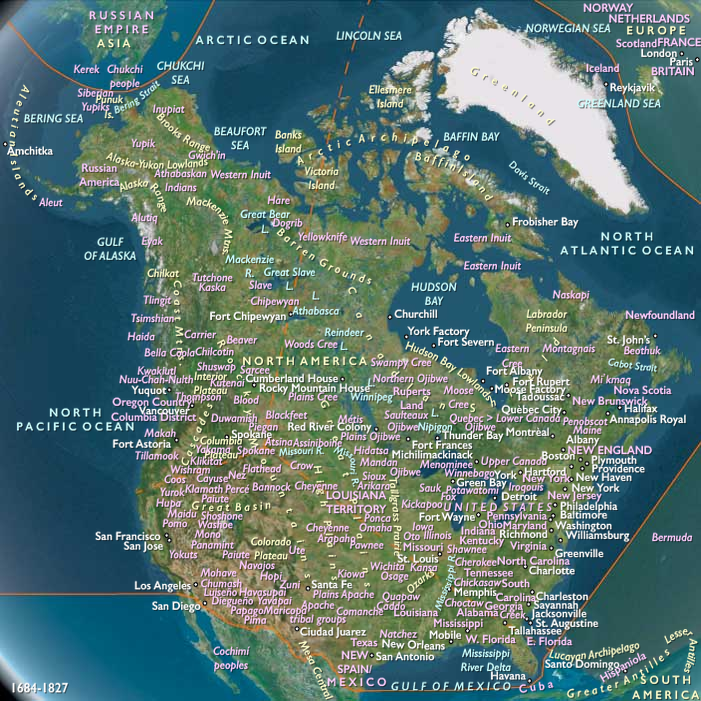
Subregions

Related Events
Showing 10 events out of 26681 total
Years: 1757 - 1757
January
Locations
People
Groups
- Iroquois (Haudenosaunee, also known as the League of Peace and Power, Five Nations, or Six Nations)
- Abenaki people (Amerind tribe)
- Mohawk people (Amerind tribe)
- Wyandot, or Wendat, or Huron people (Amerind tribe)
- Lenape or Lenni-Lenape (later named Delaware Indians by Europeans)
- New France (French Colony)
- Shawnees, or Shawanos (Amerind tribe)
- France, (Bourbon) Kingdom of
- Ohio Country
- New York, Province of (English Colony)
- New Hampshire, English royal Province of
- Massachusetts, Province of (English Crown Colony)
- New Jersey (English Colony)
- Britain, Kingdom of Great
- Rogers' Rangers
Topics
- Colonization of the Americas, French
- Colonization of the Americas, British
- French and Indian War
- Fort William Henry, Siege of
Subjects
Regions
Subregions