Event
The Treaty of Eternal Peace, ratified in…
The Treaty of Eternal Peace, ratified in September 532, is, overall, favorable to the Romans, who lose no territory and whose suzerainty over the key district of Lazica is recognized by Persia.
In return for a subsidy of eleven thousand pounds of gold, Khosrau gives up any claim to a subvention for the defense of the Caucasus.
Khosrau reestablishes Zoroastrian orthodoxy.
Although some persecution of Christian communities occurs during periods of tension with Constantinople, the restoration of peace brings about a considerable amount of religious tolerance.
Peace is restored also between the Sassanians and their Jewish subjects, and the Jewish academies reopen at Sura and other Babylonian locales.
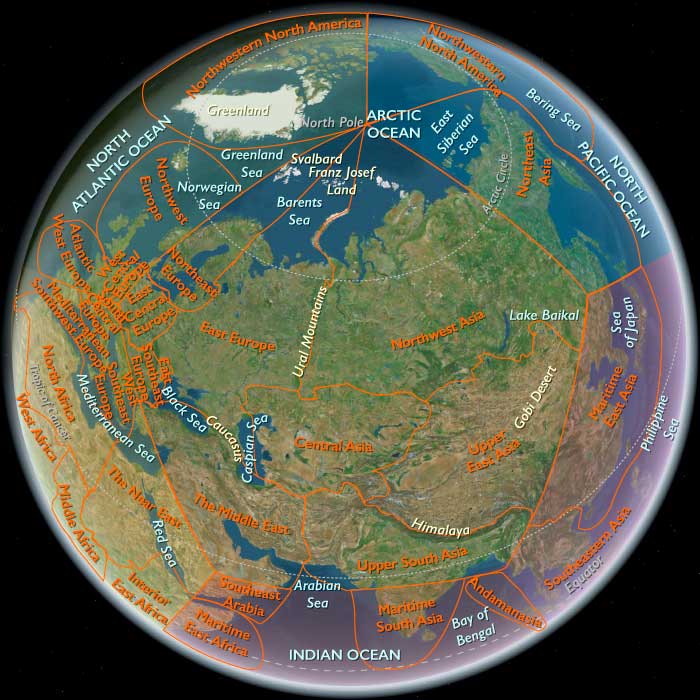
Khosrau has built defensive walls on the frontier against the Romans and their Arab allies in the Syrian Desert, against the peoples of the steppes of southern Russia at the town of Derbent between the Caucasus Mountains and the Caspian Sea, and to the east of the sea in the present Turkmen steppes.
The army does not remain on the defensive, however: Khosrau's reign is noted for his wars against the Romans.
Jealous of Justinian's victories in the West, Khosrau receives an embassy from the Ostrogoths at Ctesiphon, urging him to act before the Romans become too powerful.
Fearing Constantinople’s growing strength and intolerance of Zoroastrianism, he invades Syria in 540, breaking the “eternal” peace concluded eight years earlier.
-
{# Image navigates to the detail page; the magnifying-glass chip is the only Fancybox lightbox trigger (kept a separate sibling — anchors can't nest). #}
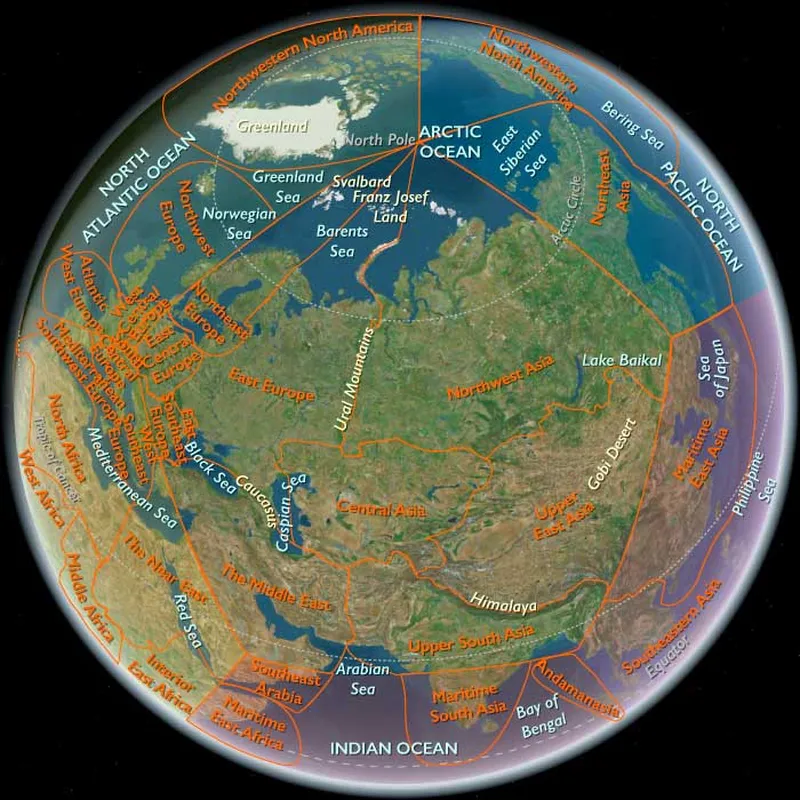 The Great Crossroads
World
The Great Crossroads
World
-
{# Image navigates to the detail page; the magnifying-glass chip is the only Fancybox lightbox trigger (kept a separate sibling — anchors can't nest). #}
 The Near and Middle East
Region
The Near and Middle East
Region
-
{# Image navigates to the detail page; the magnifying-glass chip is the only Fancybox lightbox trigger (kept a separate sibling — anchors can't nest). #}
 Middle East
Subregion
Middle East
Subregion