
Hunkpapa Lakota leader Sitting Bull is killed…
December 1890 CE
Sitting Bull had returned to the Standing Rock Agency after working in Buffalo Bill's Wild West show.
Tension between Sitting Bull and James McLaughlin, the U.S. Indian Agent at Fort Yates on Standing Rock Agency, had increased and each had become more wary of the other over several issues, including division and sale of parts of the Great Sioux Reservation.
During that period, in 1889 Indian Rights Activist Caroline Weldon from Brooklyn, New York, a member of the National Indian Defense Association "NIDA", had reached out to Sitting Bull, acting to be his voice, secretary, interpreter and advocate.
She had joined him, together with her young son Christy at his compound on the Grand River, sharing with him and his family home and hearth.
In 1889, during a time of harsh winters and long droughts impacting the Sioux Reservation, a Northern Paiute named Wovoka had spread a religious movement from Nevada eastward to the Plains that preached a resurrection of the Native.
It is known as the "Ghost Dance Movement", because it calls on the Native Americans to dance and chant for the rising up of deceased relatives and return of the buffalo.
The dance includes shirts that are said to stop bullets.
When the movement reached Standing Rock, Sitting Bull had allowed the dancers to gather at his camp.
Although he had not appear to participate in the dancing, he is viewed as a key instigator.
Alarm had spread to nearby white settlements.
In 1890, McLaughlin feared that the Lakota leader is about to flee the reservation with the Ghost Dancers, so he had ordered the police to arrest him.
On December 14, 1890, McLaughlin had drafted a letter to Lieutanant Henry Bullhead (noted as Bull Head in lead), an Indian agency policeman, that included instructions and a plan to capture Sitting Bull.
The plan calls for the arrest to take place at dawn on December 15, and advises the use of a light spring wagon to facilitate removal before his followers could rally.
Bullhead had decided against using the wagon, intending to have the police officers force Sitting Bull to mount a horse immediately after the arrest.
Around 5:30 a.m. on December 15, 39 police officers and four volunteers approach Sitting Bull's house.
They surround the house, knock, and enter.
Lieutenant Bullhead tells Sitting Bull that he is under arrest and leads him outside.
Sitting Bull and his wife noisily stall for time, the camp awakens and men converge at the house.
As Lieutenant Bullhead orders Sitting Bull to mount a horse, he says the Indian Affairs agent needs to see the chief, and then he can return to his house.
When Sitting Bull refuses to comply, the police use force on him.
The Sioux in the village are enraged.
Catch-the-Bear, a Lakota, shoulders his rifle and shoots Lieutenant Bullhead, who reacts by firing his revolver into the chest of Sitting Bull.
Another police officer, Red Tomahawk, shoots Sitting Bull in the head, and he drops to the ground.
He dies between 12 and 1 p.m.
A close-quarters fight erupts, and within minutes several men are dead.
The Lakota kill six policemen immediately and two more die shortly after the fight, including Lieutenant Bullhead.
The police kill Sitting Bull and seven of his supporters at the site, along with two horses.
People
Groups
Regions
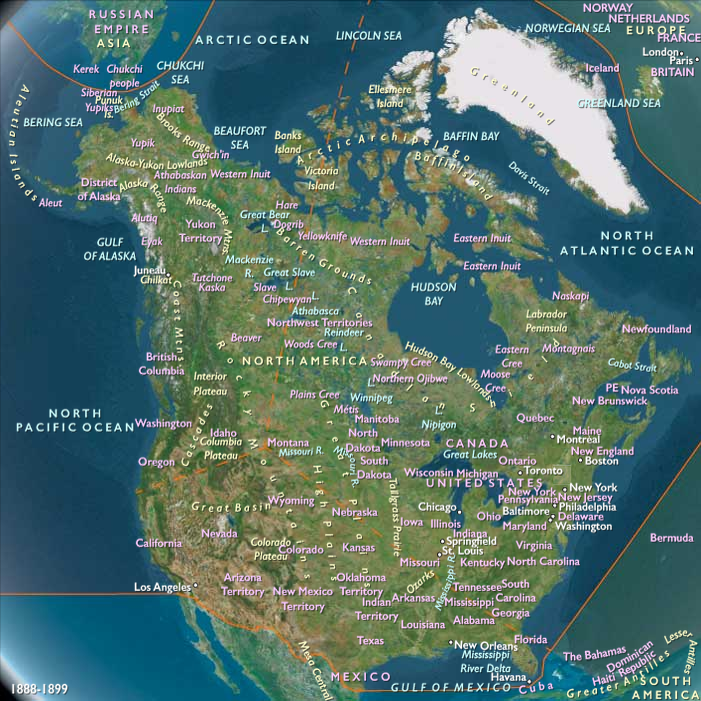
Northern North America
View →Subregions
