
The rapid expansion of anatomically modern …
Years: 70029BCE - 49294BCE
The rapid expansion of anatomically modern humans out of Africa, beginning around 60,000 years ago, appears to coincide with the development of new stone tool-making techniques.
These innovations, which define the Upper Paleolithic period, distinguish the stone tool culture of Homo sapiens sapiens from the previously similar technologies of Neanderthals and other archaic human groups.
Key advancements include:
- The production of long, narrow flake tools, known as blades, which could be fashioned into a variety of specialized tools,
- The emergence of bone and ivory artifacts, and
- The eventual development of clothing, often sewn together and adorned with beads.
These technological advancements likely played a crucial role in the success and adaptability of early modern humans as they spread across new environments.
Groups
Topics
Commodoties
Subjects
Regions




Subregions
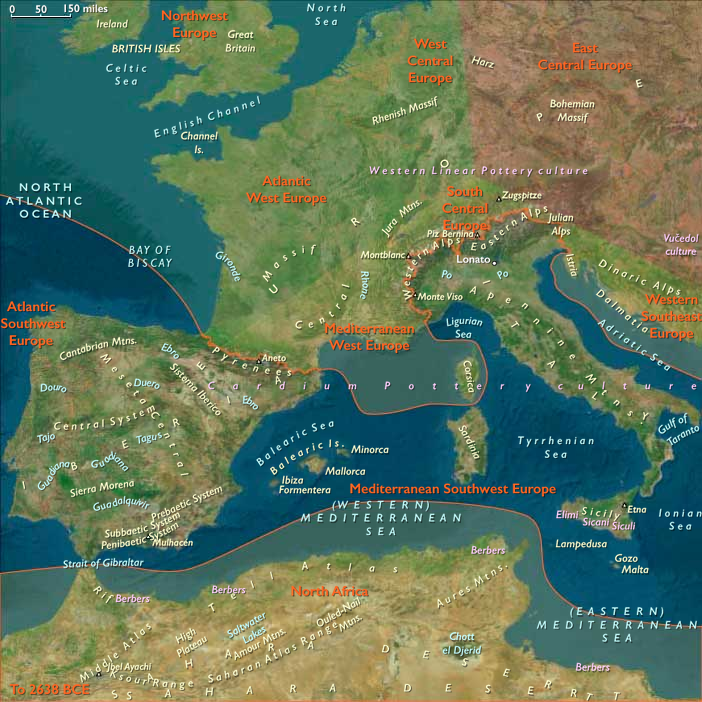
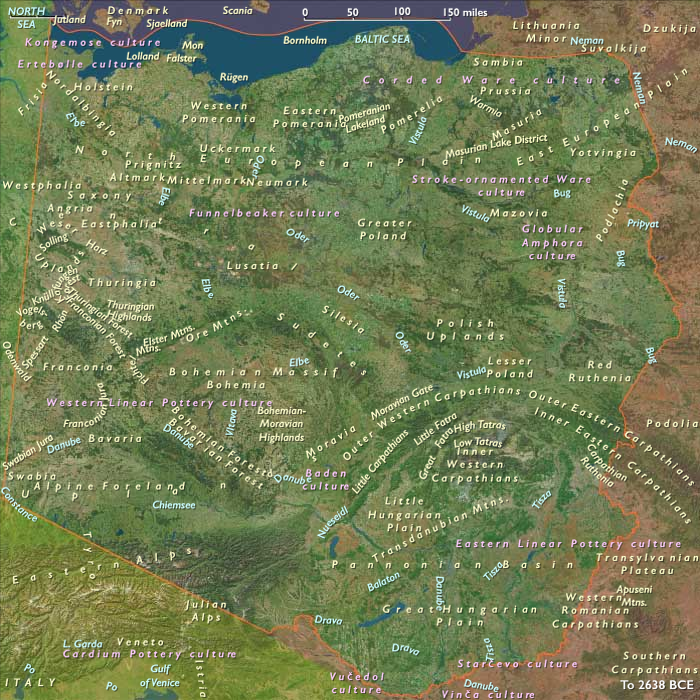
- East Central Europe
- Eastern Southeast Europe
- Middle East
- Near East
- Western Southeast Europe
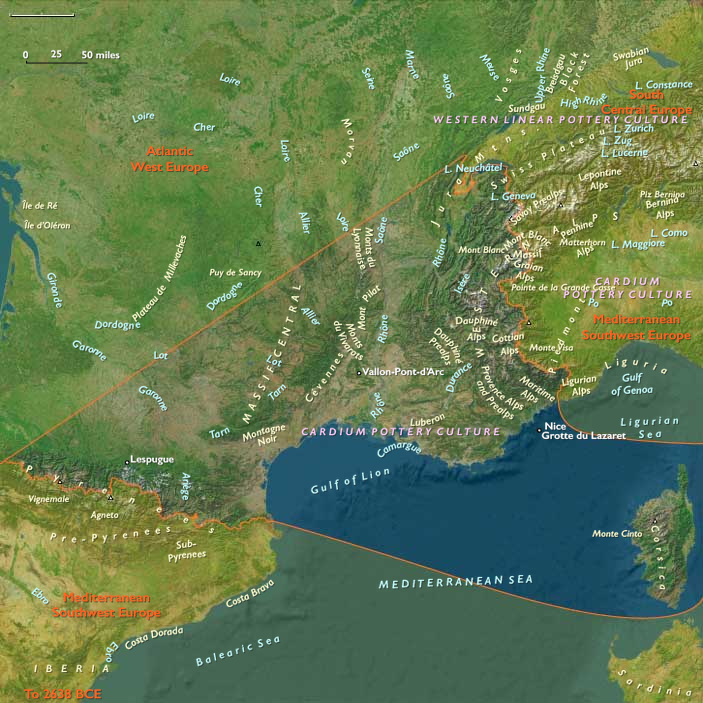
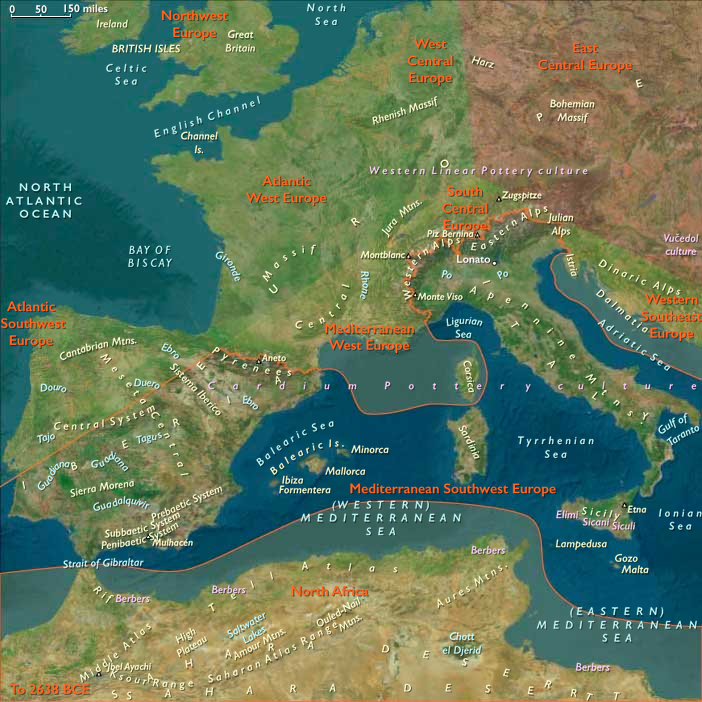
- Mediterranean West Europe
- Mediterranean Southwest Europe
- Atlantic Southwest Europe
- Atlantic West Europe




Related Events
Showing 10 events out of 69722 total
Years: 70029BCE - 49294BCE
Groups
Topics
Commodoties
Subjects
Regions
Subregions
- East Central Europe
- Eastern Southeast Europe
- Middle East
- Near East
- Western Southeast Europe
- Mediterranean West Europe
- Mediterranean Southwest Europe
- Atlantic Southwest Europe
- Atlantic West Europe