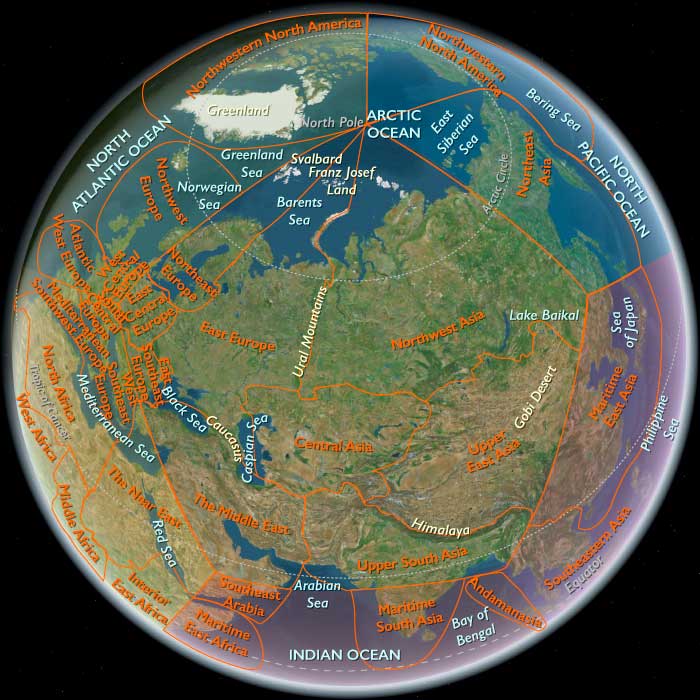
Event
The distinctive features of Jagiellon Poland run…
The distinctive features of Jagiellon Poland run against the historical trends of early modern Europe in other respects as well.
Not the least of these features is its singular governmental structure and practice.
In an era that favors the steady accumulation of power within the hands of European monarchs, Poland-Lithuania develops a markedly decentralized system dominated by a landed aristocracy that keeps royal authority firmly in check.
The Polish nobility, or szlachta, enjoys the considerable benefits of landownership and control over the labor of the peasantry.
The szlachta includes seven to ten percent of the population, making it a very large noble class by European standards.
The nobility manifests an impressive group solidarity in spite of great individual differences in wealth and standing.
Over time, the gentry induces a series of royal concessions and guarantees that vests the noble parliament, or Sejm, with decisive control over most aspects of statecraft, including exclusive rights to the making of laws.
The Sejm operates on the principle of unanimous consent, regarding each noble as irreducibly sovereign.
In a further safeguard of minority rights, Polish usage sanctions the right of a group of gentry to form a confederation, which in effect constitutes an uprising aimed at redress of grievances.
The nobility also possesses the crucial right to elect the monarch, although the Jagiellons are in practice a hereditary ruling house in all but the formal sense.
The prestige of the Jagiellons and the certainty of their succession supplies an element of cohesion that tempers the disruptive forces built into the state system.
-
{# Image navigates to the detail page; the magnifying-glass chip is the only Fancybox lightbox trigger (kept a separate sibling — anchors can't nest). #}
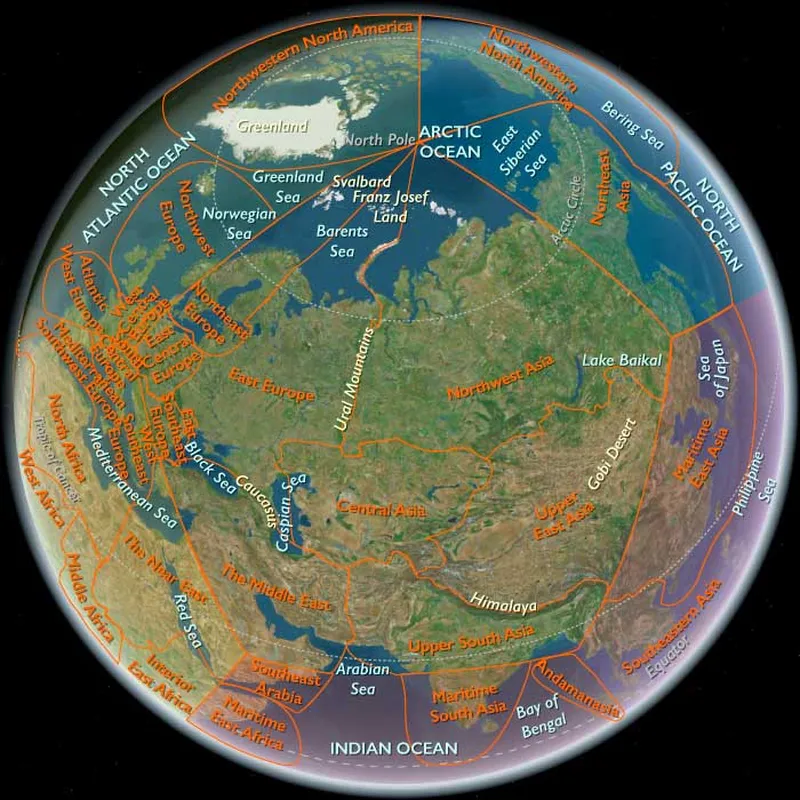 The Great Crossroads
World
-
{# Image navigates to the detail page; the magnifying-glass chip is the only Fancybox lightbox trigger (kept a separate sibling — anchors can't nest). #}
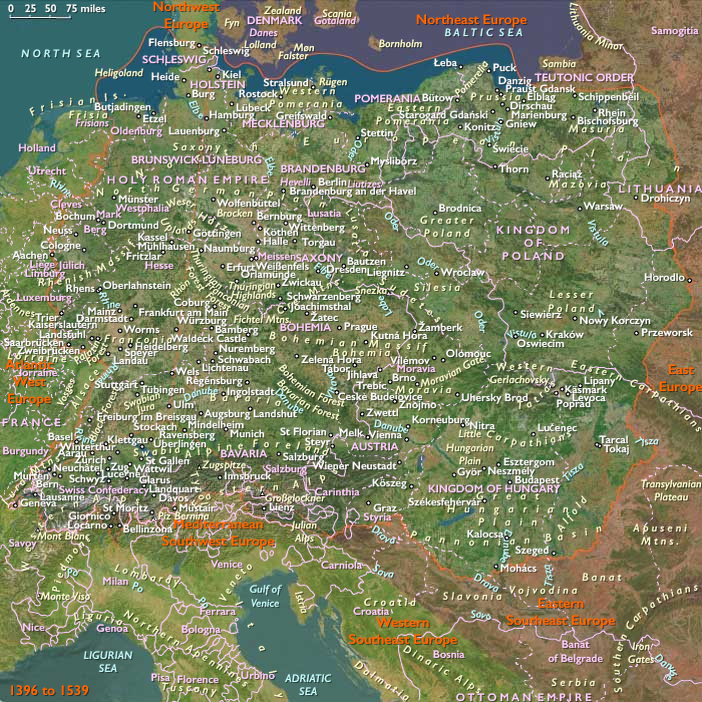 Central Europe
Region
-
{# Image navigates to the detail page; the magnifying-glass chip is the only Fancybox lightbox trigger (kept a separate sibling — anchors can't nest). #}
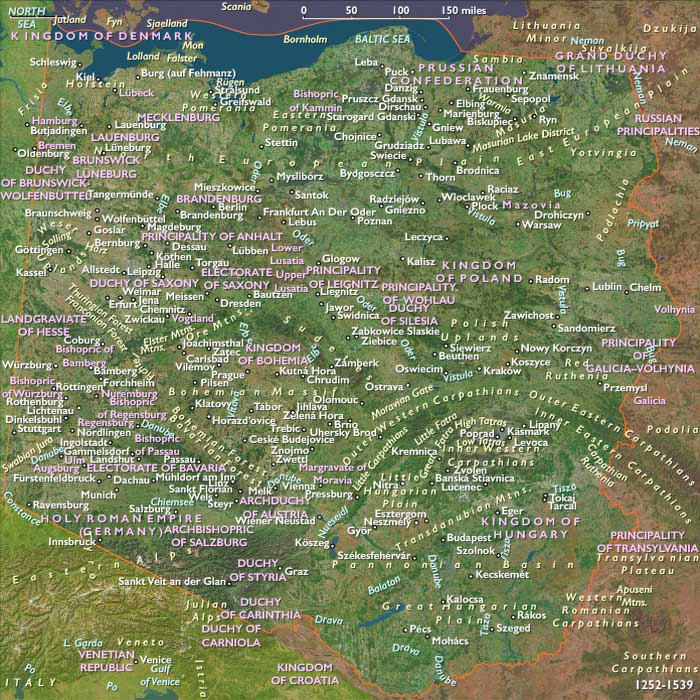 East Central Europe
Subregion