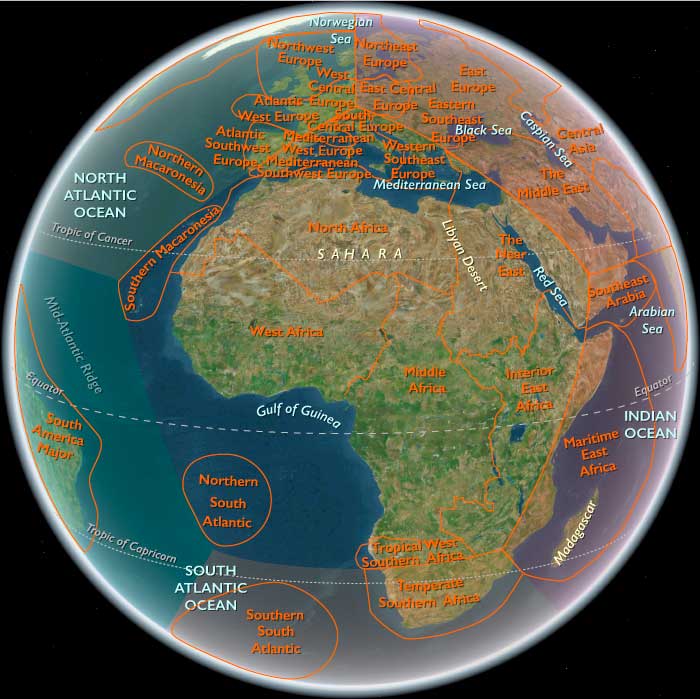
Event
The differences between Sunni and Shia interpretations,…
The differences between Sunni and Shia interpretations, originally political in nature, rapidly take on theological overtones.
In principle, a Sunni approaches God directly: there is no clerical hierarchy.
Some duly appointed religious figures, such as imams, however, exert considerable social and political power.
Imams usually are men of importance in their communities, but they need not have any formal training.
Committees of socially prominent worshipers usually are responsible for managing major mosque-owned lands.
The administration of awqaf (religious endowments) will come under the influence of the state in most Arab countries.
Qadis (judges) and imams are appointed by the government.
The Muslim year has two major religious festivals: Id al Adha, a sacrificial festival held on the tenth day of Dhu al Hijjah, the twelfth, or pilgrimage, month; and Id al Fitr, the festival of breaking the fast, which celebrates the end of Ramadan on the first day of Shawwal, the tenth month.
To Sunnis these are the most important festivals of the year.
Each lasts three or four days, during which time people put on their best clothes and visit, congratulate, and bestow gifts on each other.
In addition, cemeteries are visited.
Id al Fitr is celebrated more festively because it marks the end of Ramadan.
Celebrations also take place, although less extensively, on the Prophet's birthday, which falls on the twelfth day of Rabi al Awwal, the third month.
-
{# Image navigates to the detail page; the magnifying-glass chip is the only Fancybox lightbox trigger (kept a separate sibling — anchors can't nest). #}
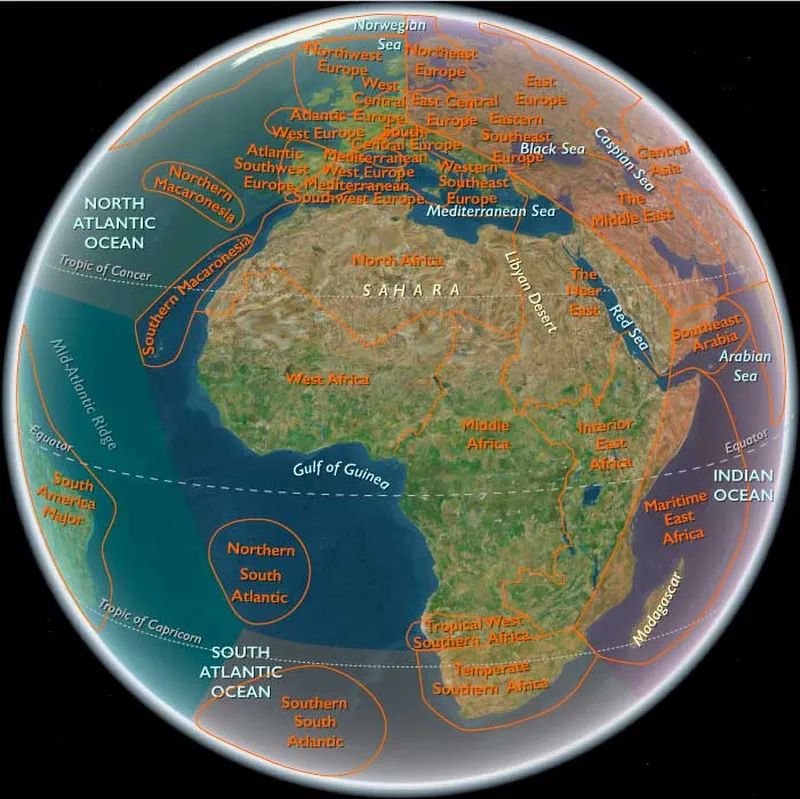 The Middle of The Earth
World
-
{# Image navigates to the detail page; the magnifying-glass chip is the only Fancybox lightbox trigger (kept a separate sibling — anchors can't nest). #}
 The Great Crossroads
World
-
{# Image navigates to the detail page; the magnifying-glass chip is the only Fancybox lightbox trigger (kept a separate sibling — anchors can't nest). #}
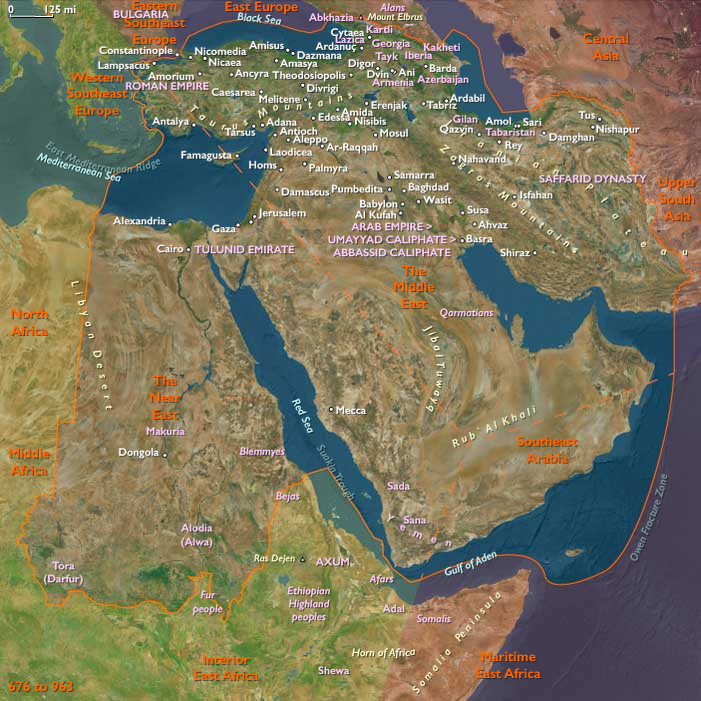 The Near and Middle East
Region
-
{# Image navigates to the detail page; the magnifying-glass chip is the only Fancybox lightbox trigger (kept a separate sibling — anchors can't nest). #}
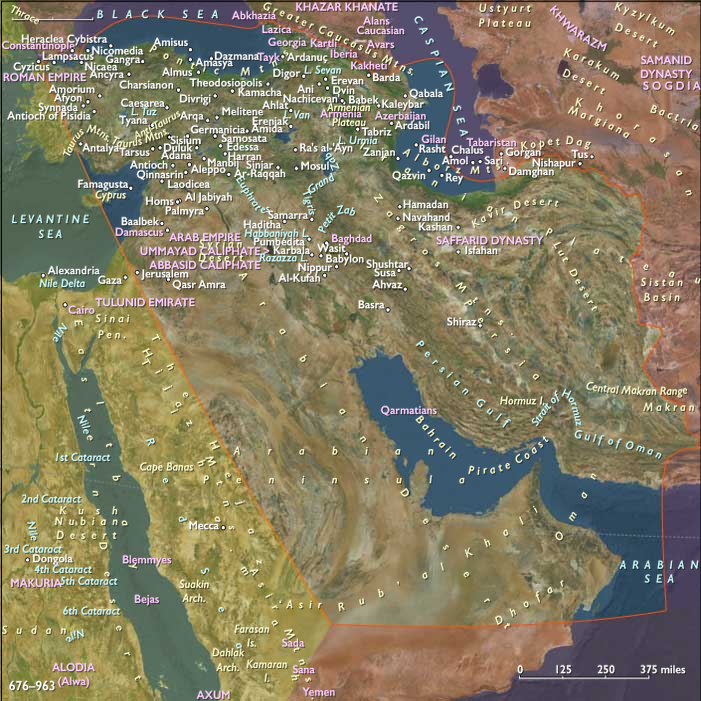 Middle East
Subregion
-
{# Image navigates to the detail page; the magnifying-glass chip is the only Fancybox lightbox trigger (kept a separate sibling — anchors can't nest). #}
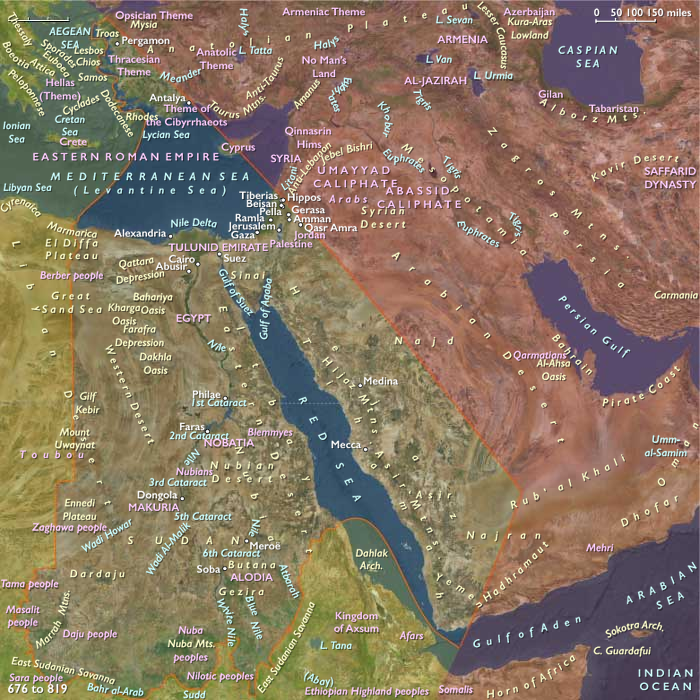 Near East
Subregion