
The Escorial and the Architectural Legacy of…
1585 CE
The Escorial and the Architectural Legacy of Juan de Herrera (Completed 1584)
The monumental Escorial, completed in 1584, stands as the ultimate architectural expression of 16th-century imperial Spain, embodying the austere grandeur and disciplined order of the Spanish Habsburg monarchy. Designed primarily by Juan de Herrera (c. 1530–1597), the structure symbolizes Philip II’s vision of Spain as a powerful, deeply Catholic empire.
Juan de Herrera: The Architect of Spanish Classicism
- Herrera succeeded Juan Bautista de Toledo as the lead architect of the Escorial, refining and completing the Herreran style—an architectural idiom characterized by:
- Severe, geometric simplicity.
- Minimal ornamentation.
- Balanced, harmonious proportions.
- A sense of monumentality and order, suited to Spain’s imperial ambitions.
- His rigorous, mathematical approach to architecture emphasized rationality and stability, making it the preferred style for Spanish government buildings and religious structures.
Other Major Works by Herrera
- Summer Palace at Aranjuez (After 1567)
- A royal retreat, reflecting Philip II’s preference for symmetry and formal gardens.
- Exchange of Seville (Casa Lonja de Sevilla, After 1582)
- A commercial center symbolizing Spain’s economic power as a global trading empire.
- Cathedral of Valladolid (After 1585)
- Its severe classical design became a model for colonial cathedrals in Mexico and Lima, extending Herrera’s influence to the New World.
The Influence and Legacy of the Herreran Style
- Herrera’s stark, academic designs were criticized by some as cold and monotonous, yet others praised their monumentality and clarity of proportion.
- His influence extended beyond Spain, shaping colonial architecture in Spanish America, where his Valladolid Cathedral model inspired churches in Lima and Mexico City.
- As royal inspector of monuments, Herrera witnessed and guided the widespread adoption of his style across Spain and its territories, making his work synonymous with Spanish imperial architecture.
Conclusion: The Enduring Legacy of Herrera’s Vision
The completion of the Escorial in 1584 marked the pinnacle of Herrera’s architectural philosophy, embodying the ideals of Philip II’s Spain—power, faith, discipline, and order. His severe yet grand classical style became the blueprint for Spanish architecture, influencing churches, palaces, and civic buildings across the Spanish Empire, from Madrid to Lima.
Images
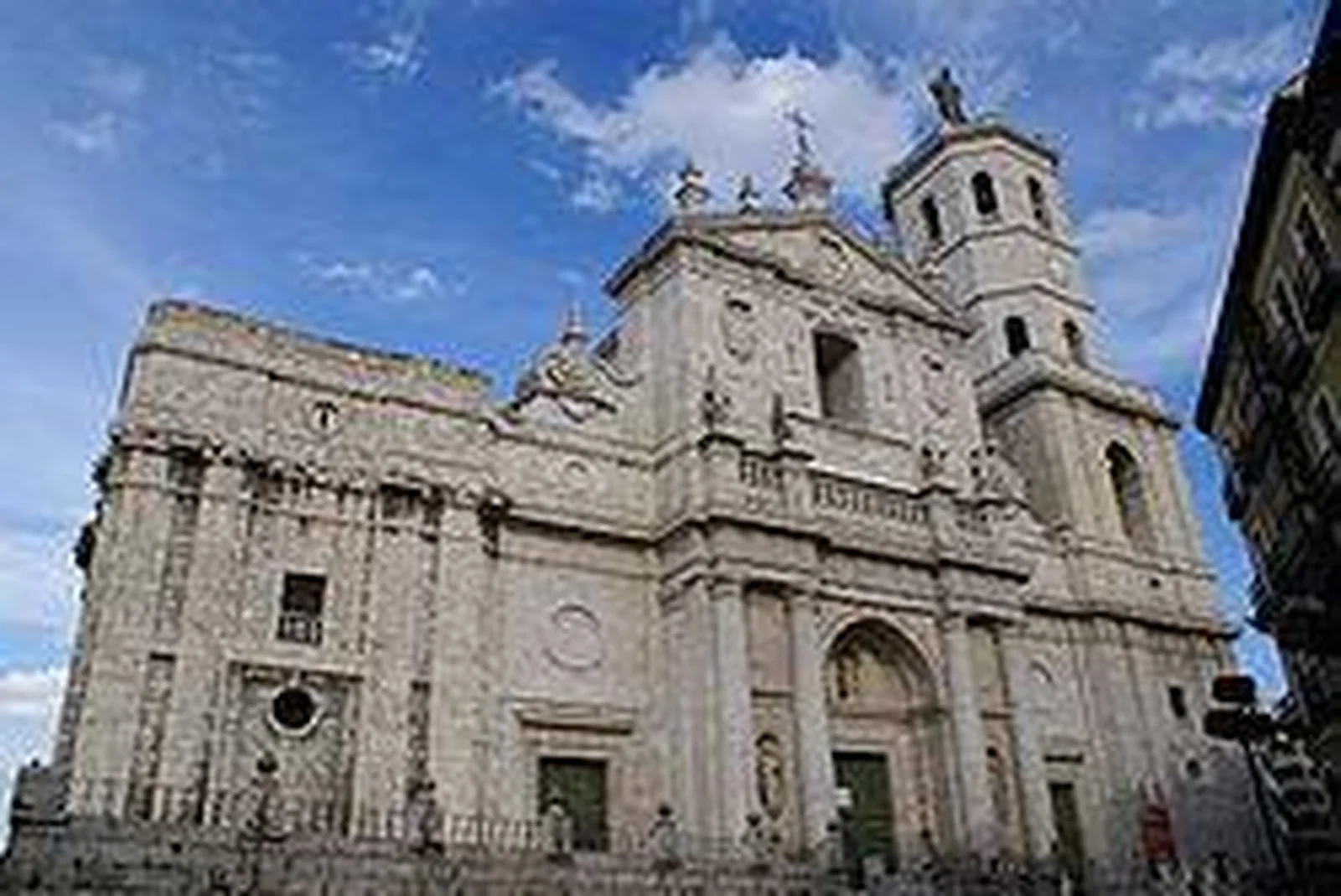
Cathedral of Our Lady of the Holy Assumption (Photo by Rastrojo, 2008)
Locations
People
Topics
Subjects
Regions

Southwest Europe
View →Subregions
