Napoleon, wanting to regain control of the…
1684 CE to 1827 CE
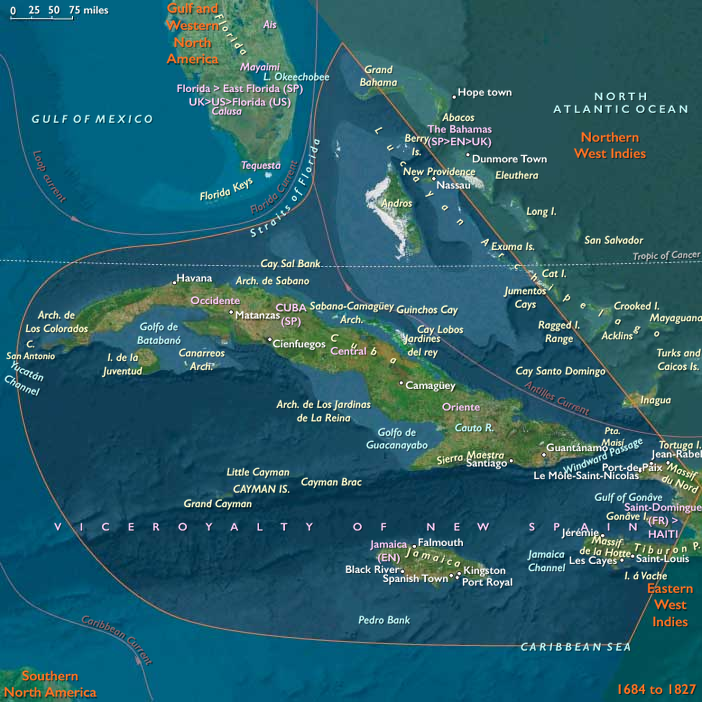
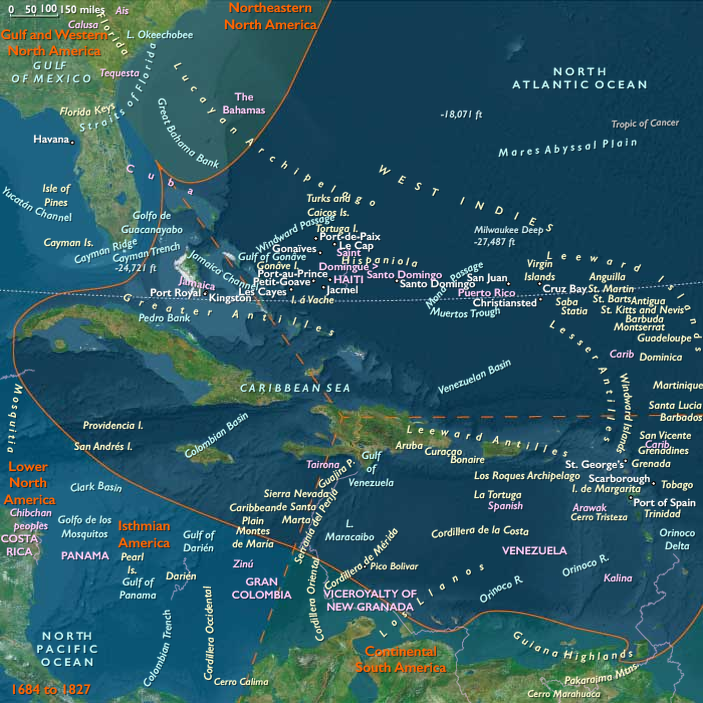
Napoleon, wanting to regain control of the lucrative sugar trade in Saint-Domingue (Hispaniola), and with an eye on regaining France's New World empire, sends an army under the command of his brother-in-law General Charles Leclerc to Saint-Domingue to seize control after a slave revolt.
The historian J. R. McNeill asserts that yellow fever accounted for about thirty-five thousand to forty-five thousand casualties of these forces during the fighting. (McNeill, J.R. (2010). Mosquito Empires: Ecology and War in the Greater Caribbean, 1620–1914. Cambridge University Press. p. 259)
Only one third of the French troops survive for withdrawal and return to France.
Napoleon gives up on the island and his plans for North America, selling the Louisiana Purchase to the United States in 1803.
In 1804, Haiti will proclaimed its independence as the second republic in the Western Hemisphere.
Considerable debate exists over whether the number of deaths caused by disease in the Haitian Revolution was exaggerated.
Groups
Topics
Subjects
Regions
West Indies
View →Subregions