
The North and South, although enemies in…
November 1862 CE
The North and South, although enemies in war, remain dependent on each other economically.
Northern textile mills need Southern cotton; the Union Army itself uses Southern cotton in its tents and uniforms.
Although the Union military command prefers an outright ban on trade, President Lincoln continues to allow limited trade in Southern cotton.
He insists, however, that such trade be licensed by the Treasury Department and the army.
As commander of the Department of the Tennessee, General Grant is charged with issuing trade licenses in his area.
As cotton prices soar in the North, unlicensed traders bribe Union officers to allow them to buy Southern cotton without a permit.
In the fall of 1862, Grant's headquarters are besieged by merchants seeking trade permits.
When Grant's own father Jesse appears one day seeking trade licenses for a group of Cincinnati merchants, some of whom are Jews, Grant's frustration overflows.
A handful of the black marketeers are Jews, although the great majority are not.
In the emotional climate of the war zone, ancient prejudices flourish; the terms “Jew,”, “profiteer”, “speculator” and “trader” are employed interchangeably.
Union commanding General Henry W. Halleck links “traitors and Jew peddlers”.
Grant shares Halleck's mentality, describing “the Israelites” as “an intolerable nuisance”.
In November 1862, convinced that the black market in cotton is organized “mostly by Jews and other unprincipled traders”, Grant orders that ”no Jews are to be permitted to travel on the railroad southward [into the Department of the Tennessee] from any point”, nor are they to be granted trade licenses.
“... they are such an intolerable nuisance that the department must be purged of them.”
Groups
Topics
Commodities
Regions
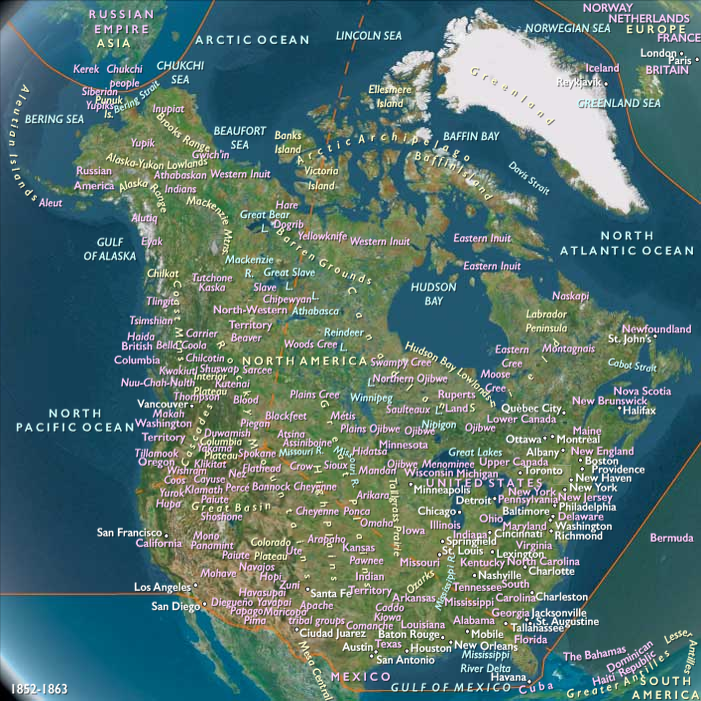
Northern North America
View →Subregions
