
The Palatinate church is now transformed: images…
1563 CE
The Palatinate church is now transformed: images of the saints, vestments, baptismal fonts, and other "idolatrous works," even organs, are ruthlessly removed from the churches.
The breaking of bread is introduced in the celebration of the Lord's Supper.
The revenues from monasteries and foundations are confiscated and applied to Evangelical church purposes or charity.
The Reformed confession of faith known as the Heidelberg Catechism, prepared by a committee of theologians and ministers likely led by Ursinus, now serves as the norm of doctrine and for the instruction of the youth.
Ursinus has prepared the Catechism as part of a reform program directed by the Elector Palatine, who will come to be called Frederick the Pious, and who is attempting to complete the religious reformation of the Palatinate.
Frederick, who favors the Reformed, or Calvinist, faith, hopes to conciliate the contending Protestant groups, which include the orthodox Lutheran party arrayed against both the Reformed party and the more moderate Lutheran followers of Philipp Melanchthon.
The elector hopes that the Heidelberg Catechism will provide the basis for reconciliation.
Ursinus has based the work on earlier catechetical works by himself and others in an effort to produce a catechism acceptable to all Protestants.
The authors in discussing the sacraments had sought to move their Reformed statements as closely to the moderate Melanchthonian-Lutheran position as they can, while stating, very mildly, the controversial doctrine of predestination championed by Scottish reformer John Knox.
Topics
Subjects
Regions
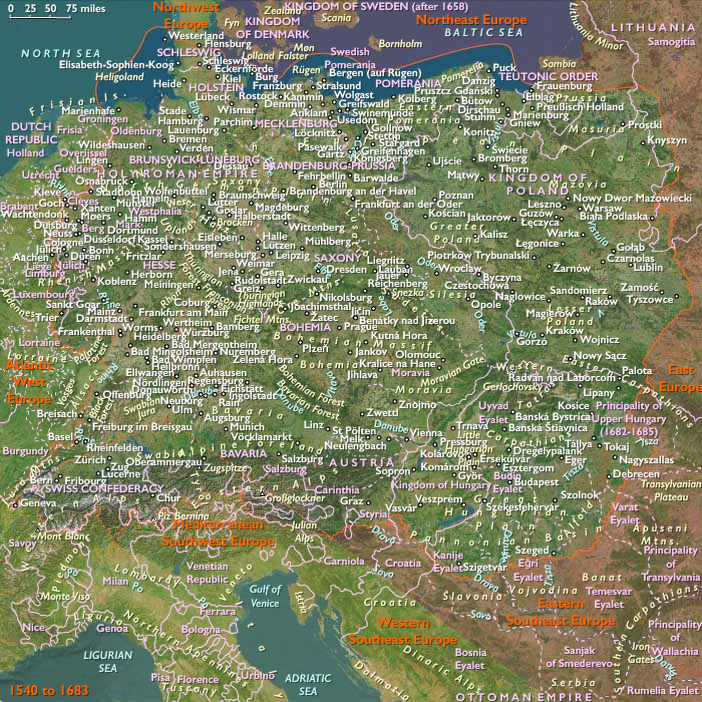
Central Europe
View →Subregions
