
Gálvez had embarked his flag with the…
March 1781 CE
With about thirteen hundred men, the regular troops include a Majorcan regiment and Arturo O'Neill (later Governor of Spanish West and East Florida) commanding three hundred and nineteen men of Spain's Irish Hibernia Regiment, and including militias of biracial and free Afro-Cubans.
Gálvez has also ordered additional troops from New Orleans and Mobile to assist.
The Spanish expeditionary force had sailed from Havana on February 13.
Arriving outside Pensacola Bay on March 9, Gálvez lands some troops on Santa Rosa Island, the barrier island protecting the bay.
O'Neill's Hibernians land at the island battery, which he finds undefended, and lands artillery, which he uses to drive away the British ships taking shelter in the bay.
However, bringing the Spanish ships into the bay turns out to be difficult, just as it had been the previous year at the capture of Mobile.
Supplies are offloaded onto Santa Rosa Island to raise the draft of some of the ships, but Calvo, the fleet commander, refuses to send any more ships through the channel after the lead ship, the sixty-four-gun San Ramon, grounds in its attempt.
Furthermore, some British guns seem to have the range to fire on the bay's entrance.
Groups
Waldeck, County of (later Principality of)
View →
Muscogee, or Creek, people (Amerind tribe)
View →
Choctaw (Amerind tribe)
View →
Chickasaw (Amerind tribe)
View →
New Spain, Viceroyalty of
View →
France, (Bourbon) Kingdom of
View →
Hessians
View →
Spain, Bourbon Kingdom of
View →
Britain, Kingdom of Great
View →
West Florida
View →
Louisiana (Spanish colony)
View →
Loyalists (American Revolution)
View →
Pennsylvania, Commonwealth of (U.S.A.)
View →
Maryland, State of (U.S.A.)
View →
Topics
Regions
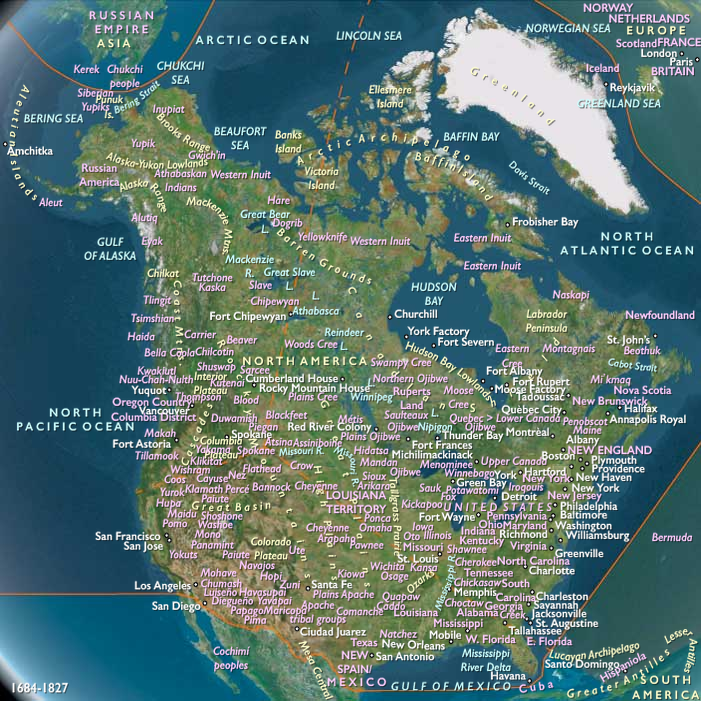
Northern North America
View →Subregions
