
The Pinsk Marshes, also known as the …
Years: 1506 - 1506
The Pinsk Marshes, also known as the Pripet Marshes and the Rokitno Marshes, are a vast natural region of wetlands along the forested basin of the Pripyat River and its tributaries from Brest to the west to Mogilev to the northeast and Kiev to the southeast.
The region’s largest city is Pinsk, a city in present Belarus, in the Polesia region, traversed by the river Pina, at the confluence of the Strumen and Pripyat rivers.
First mentioned in the chronicles of 1097 as Pinesk, a town belonging to Sviatopolk of Turau, the name is derived from the river Pina.
Pinsk's early history is closely linked with the history of Turau.
Until the mid-twelfth, century Pinsk had been the seat of Sviatopolk's descendants, but a cadet line of the same family had established their own seat at Pinsk after the Mongol invasion of Rus in 1239.
The Pinsk principality has an important strategic location, between the principalities of Navahrudak and Halych-Volynia, which fight each other for other Ruthenian territories.
Pinsk had not taken part in this struggle, although it was inclined towards the princes of Navahrudak, which is shown by the fact that the future prince of Navahrudak and Voyshalk of Lithuania spent some time in Pinsk.
In 1320 Pinsk had been won by the rulers of Navahrudak, who incorporated it into their state, known as the Grand Duchy of Lithuania.
For the past two centuries, Pinsk has been ruled by princes under Lithuanian suzerainty.
On August 9, 1506, the owner of Pinsk, Prince Feodor Ivanovich Yaroslavich, in his own name and in that of his wife, Princess Yelena, grants to the Jewish community of Pinsk two parcels of land for a house of prayer and a cemetery, and confirms all the rights and privileges given to the Jews of Lithuania by King Alexander Jagiellon.
Locations
People
Groups
Subjects
Regions
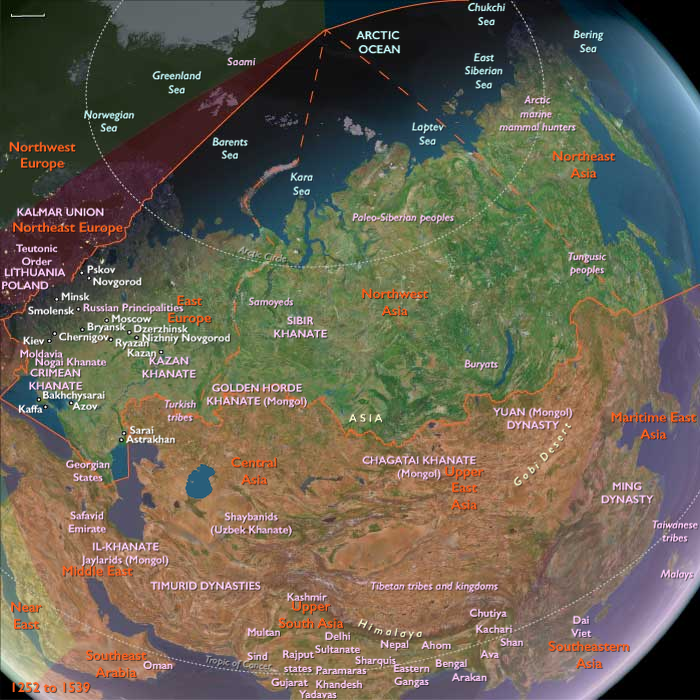
Subregions

Related Events
Showing 10 events out of 39503 total
Years: 1506 - 1506
Locations
People
Groups
Subjects
Regions
Subregions