The Council of Mousson and the Struggle for the Archbishopric of Reims (995–996)
Following thecontested deposition of Archbishop Arnulf of ReimsbyHugh Capet’s synod in 991, PopeJohn XVsought to settle the matter through abroader councilthat would include bothFrench and German bishops. However, Capetian resistance to papal interference led to astalemate, highlighting the growing conflict betweenroyal authority and papal supremacy.
The Council of Mousson: French Obstruction and German Support
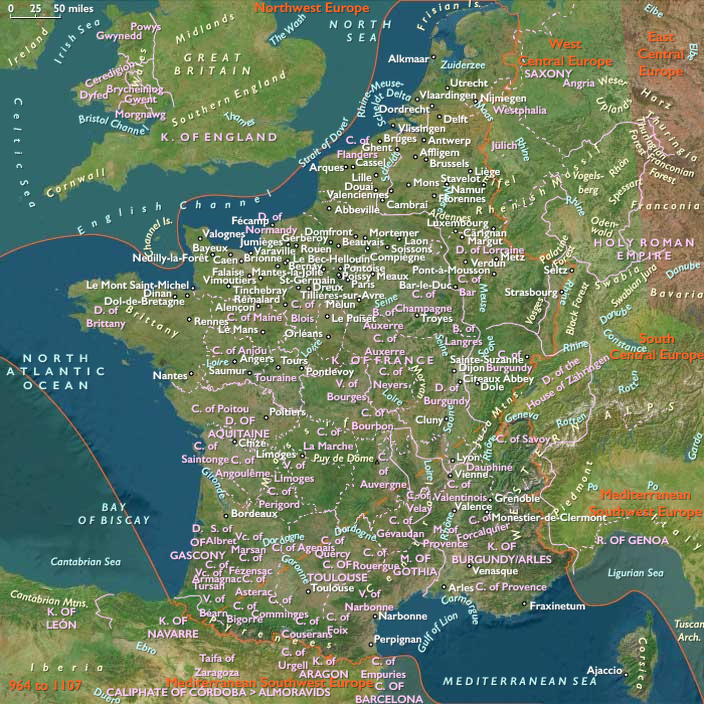
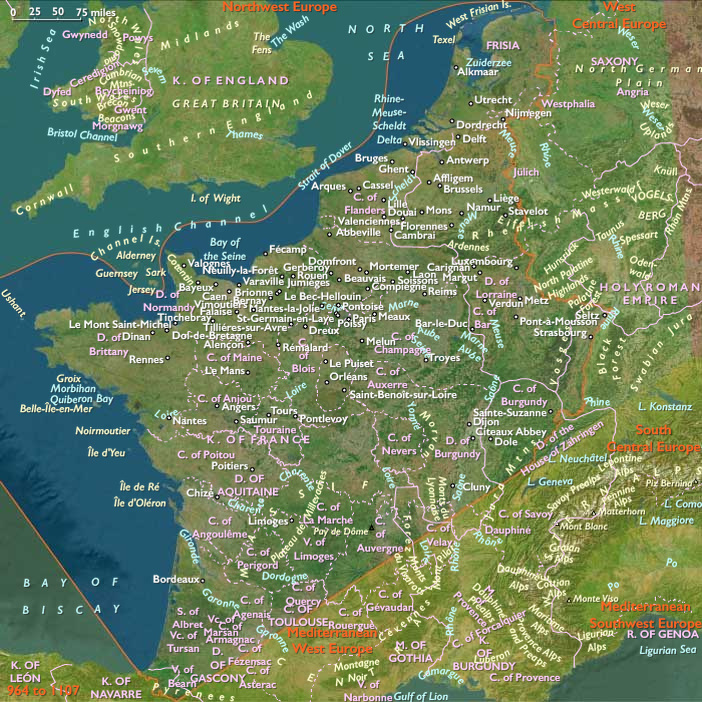
ThePapal Legate, sent byJohn XV, was tasked with convening acouncil of bishops from both France and the Holy Roman EmpireatMousson, a neutral site near theimperial border.
However, only theGerman bishopsmanaged to attend; theFrench bishops were blockedbyHugh Capet and Robert II, who prevented their participation, fearing aruling against the Capetian-backed Archbishop Gerbert of Aurillac.
Despite this obstruction, theGerman bishops, under imperial influence, ruled thatArnulf’s deposition was illegal, effectivelynullifyingthe decisions made at theSynod of Reims (991).
Gerbert’s Suspension and His Defense
As a result of the ruling,Gerbert of Aurillac, who had beeninstalled as Archbishop of Reimsby Hugh Capet, wassuspended from his episcopal office.
Gerbert, abrilliant scholar and political strategist, argued that thedecree against him was unlawful, appealing toimperial and theological authoritiesin his defense.
Despite his efforts, he lostofficial recognition as Archbishop of Reims, forcing him to seeksupport from Emperor Otto III, who would later play a decisive role in his career.
Aftermath: Papal and Imperial Maneuvering
The failure of theFrench bishops to attend Moussondemonstrated theCapetians' growing defiance of papal authority, foreshadowing future conflicts between theFrench monarchy and the papacy.
Gerbert’s alignment with theHoly Roman Empireled to his eventual rise asPope Sylvester II (999–1003), where he would continue to championimperial-papal cooperationagainst Capetian interests.
Meanwhile, Arnulf wasrestored in name, but his authority in Reims remainedweak and contested, reflecting theCapetians’ firm grip on ecclesiastical appointmentsin their realm.
Significance
TheCouncil of Moussonmarked aturning pointin the struggle for control over theFrench Church, revealing both theCapetians' determination to dominate episcopal appointmentsand thepapacy’s limited ability to enforce its rulings within France. While theHoly Roman Empire upheld papal legitimacy, the Capetians successfullycemented their control over the French episcopate, setting a precedent for the futureGallican Churchand the French monarchy’s increasing independence from Rome.