
Diocletian’s Persecution of Christians: The Most Extensive …
Years: 292 - 303
Diocletian’s Persecution of Christians: The Most Extensive in Roman History (303–311 CE)
Diocletian’s commitment to an activist government and his self-image as a restorer of Rome’s past glory led him to enforce state religious unity, viewing Christianity as a threat to Roman traditions and imperial stability. This culminated in the Great Persecution (303–311 CE), the most severe and widespread persecution of Christians in Roman history.
1. Diocletian’s Vision: Restoring Roman Religious Identity
- Diocletian sought to strengthen the empire by reviving traditional Roman religious practices and reinforcing pagan cults, particularly the imperial cult.
- Christianity, which had grown significantly by the late 3rd century, was increasingly seen as subversivebecause:
- Christians refused to participate in state sacrifices and imperial worship.
- Many Christian officials and soldiers openly practiced their faith, challenging Roman authority.
- The church operated as a separate power structure, independent of imperial control.
2. The Great Persecution (303–311 CE): Imperial Decrees Against Christians
Diocletian, with encouragement from Galerius, issued a series of edicts aimed at suppressing Christianity:
- First Edict (February 303 CE)
- Ordered the destruction of Christian churches and scriptures.
- Banned Christian gatherings and removed Christians from public offices.
- Second Edict (Later in 303 CE)
- Ordered the arrest of Christian clergy, forcing them to renounce their faith or face punishment.
- Third Edict (Late 303 CE)
- Introduced amnesty for Christians who made sacrifices to Roman gods.
- Fourth Edict (304 CE)
- Required all Roman citizens to offer sacrifices to the gods, effectively criminalizing Christianity.
These edicts led to widespread persecution, including:
- Imprisonment and execution of bishops and Christian leaders.
- Destruction of churches and confiscation of Christian property.
- Torture and forced apostasy as Christians were pressured to abandon their faith.
3. The Persecution’s Effectiveness and Its Limits
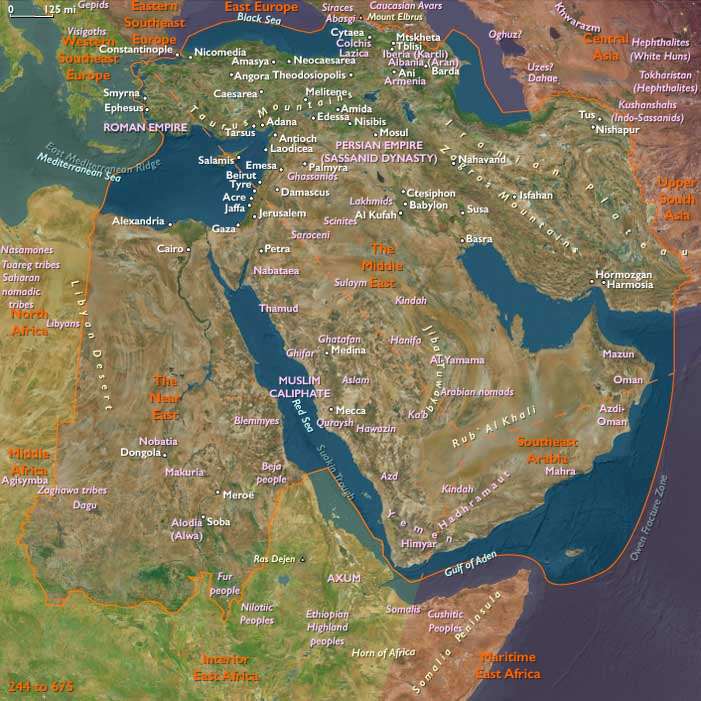
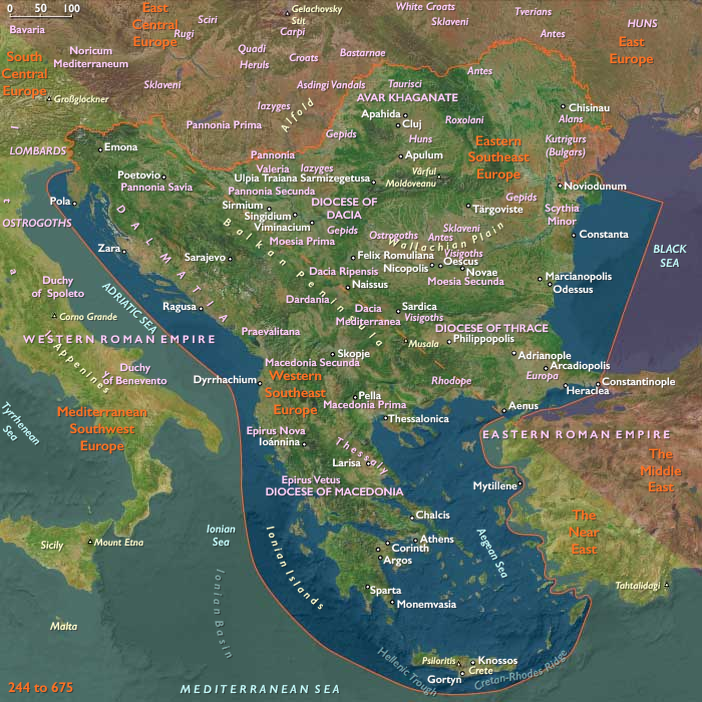
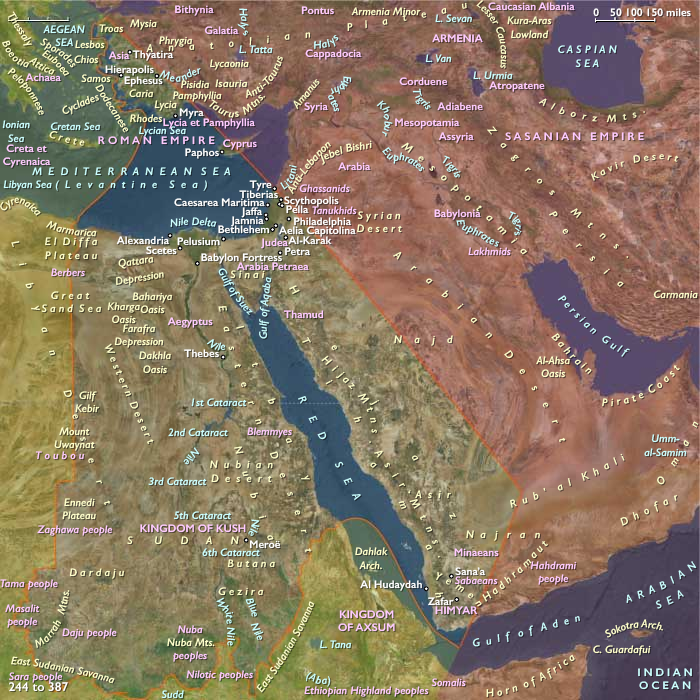
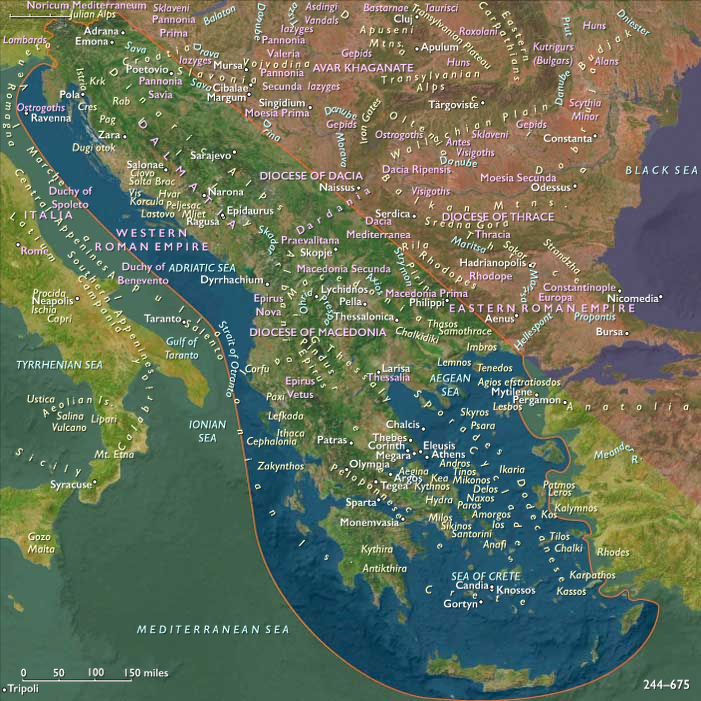
- The persecution was enforced most harshly in the Eastern Roman Empire, where Galerius and Maximian ruled.
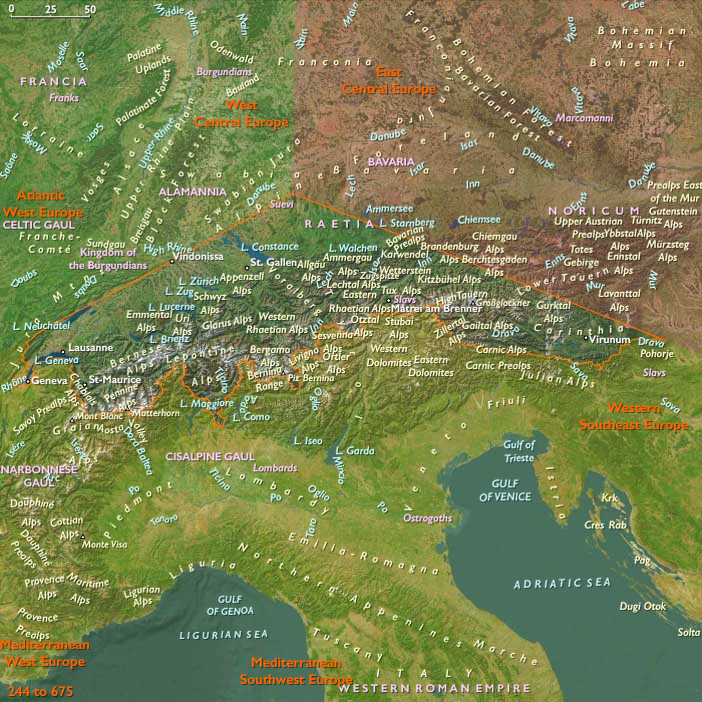
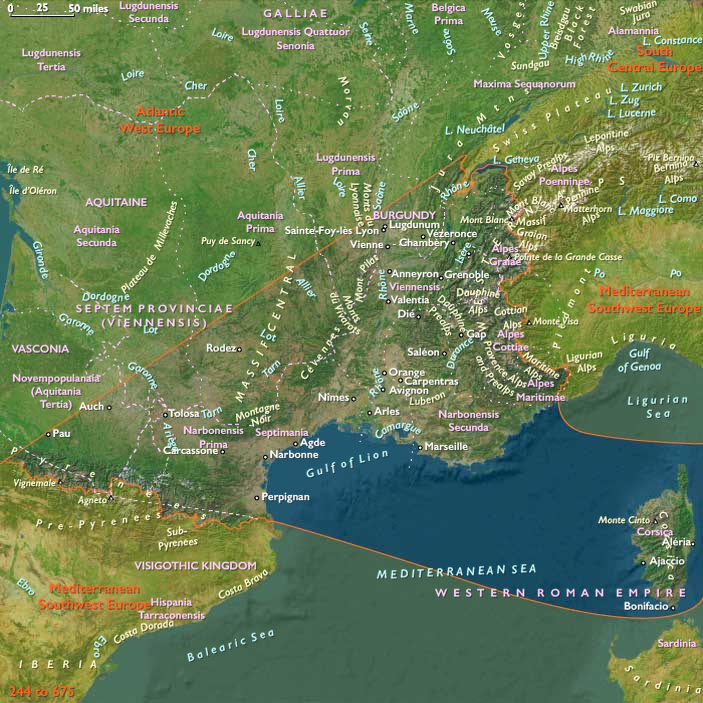
- In the West, Constantius Chlorus (father of Constantine the Great) was more lenient, destroying churches but avoiding mass executions.
- Many Christians went underground, continuing their worship in secret gatherings.
- Despite the brutality, the persecution failed to eradicate Christianity, and in many cases, martyrdom strengthened the faith.
4. The End of the Persecution and the Rise of Constantine
- In 311 CE, Galerius issued the Edict of Toleration, acknowledging that the persecution had failed and granting Christians the right to worship openly.
- In 312 CE, Constantine the Great won the Battle of the Milvian Bridge, later attributing his victory to the Christian God.
- In 313 CE, the Edict of Milan, issued by Constantine and Licinius, fully legalized Christianity, marking a turning point in Roman religious policy.
5. Conclusion: A Failed Suppression That Strengthened Christianity
Diocletian’s persecution was the largest and most systematic effort to suppress Christianity, but it ultimately failed. Instead, it:
- Created Christian martyrs, solidifying Christian identity.
- Demonstrated the limits of imperial control, as Christianity continued to spread despite official repression.
- Set the stage for Constantine’s embrace of Christianity, leading to its eventual dominance as the imperial religion of Rome.
While Diocletian sought to restore Rome’s traditional religious order, his persecution inadvertently accelerated Christianity’s rise, marking the beginning of Rome’s transformation into a Christian empire.
People
Groups
Topics
Subjects
Regions
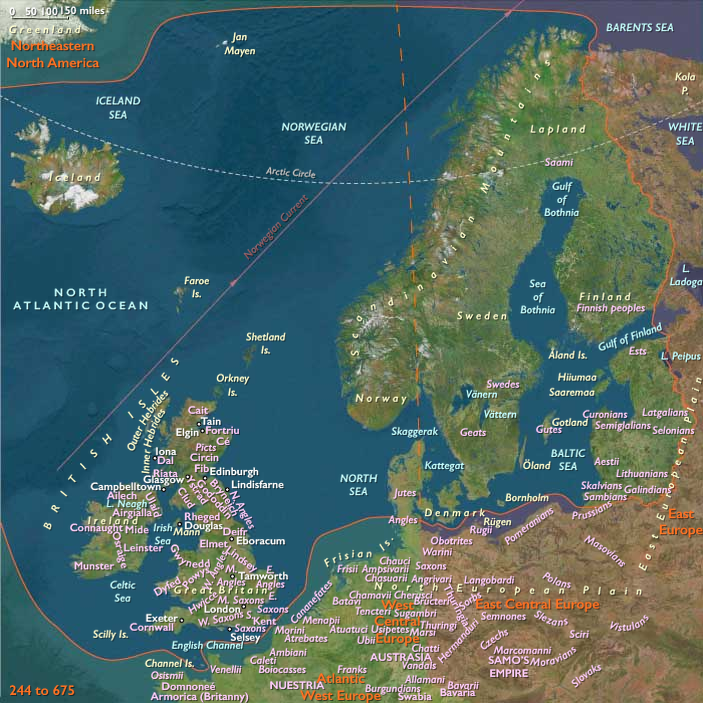
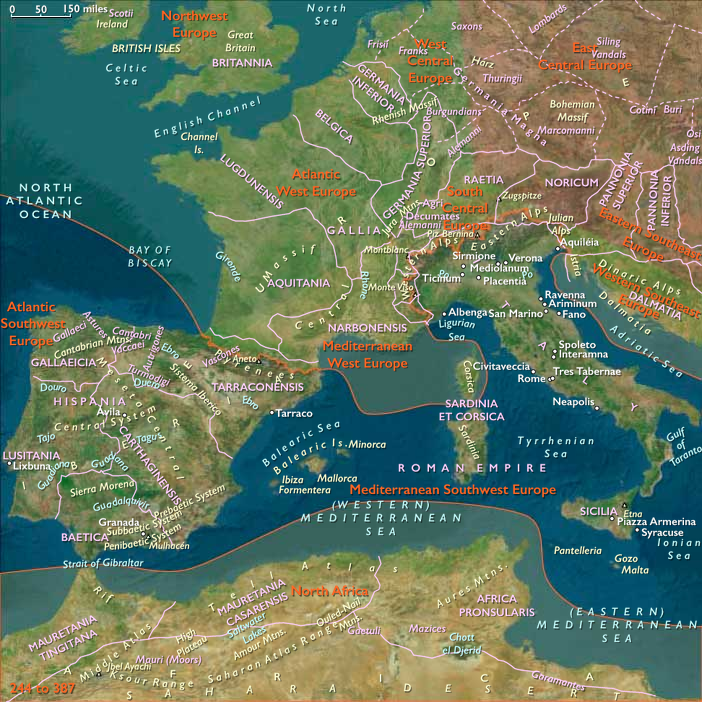
Subregions
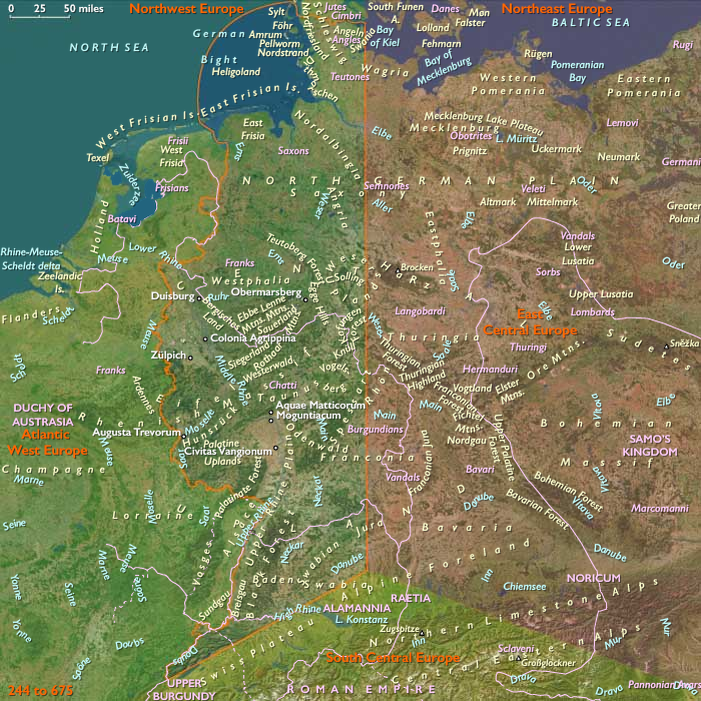
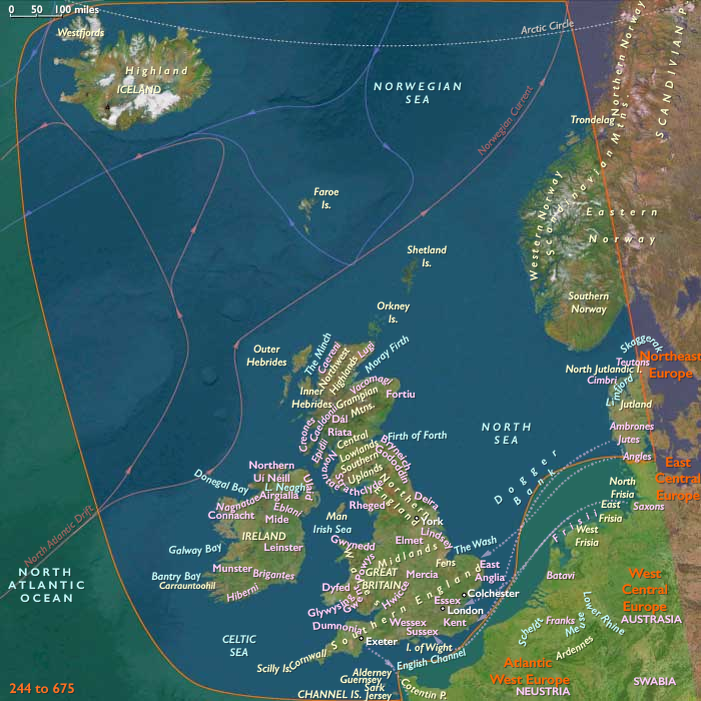
- East Central Europe
- Eastern Southeast Europe
- Near East
- Western Southeast Europe
- South Central Europe
- Mediterranean West Europe
- Mediterranean Southwest Europe
- North Africa
- Atlantic Southwest Europe
- Atlantic West Europe
- West Central Europe
- Northwest Europe
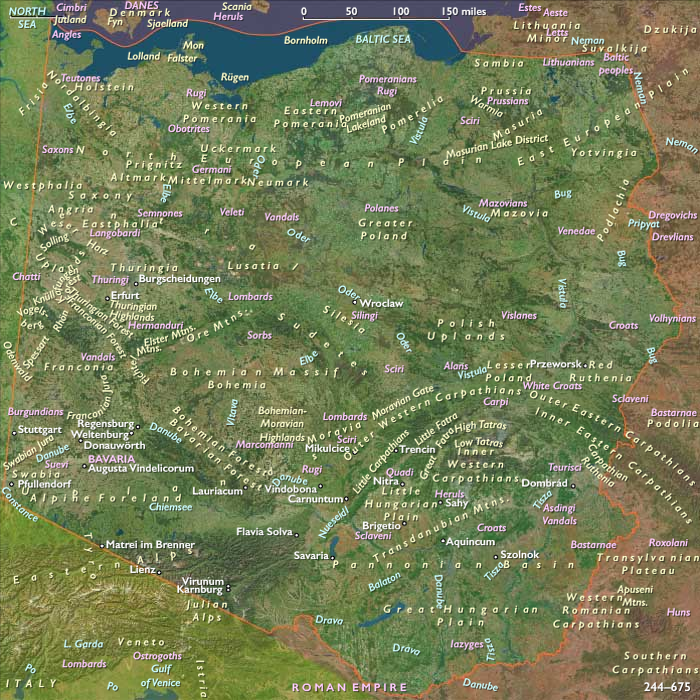
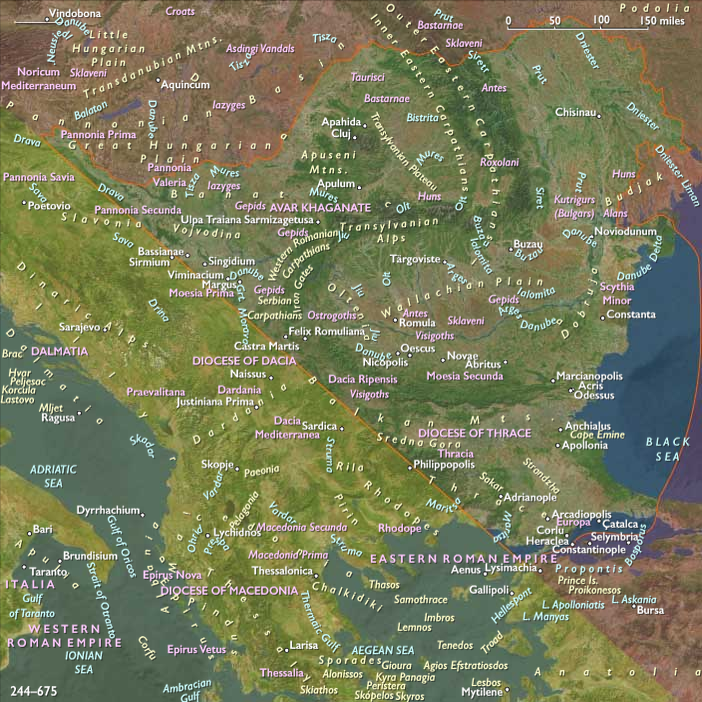
Related Events
Showing 10 events out of 60112 total
Years: 292 - 303
People
Groups
Topics
Subjects
Regions
Subregions
- East Central Europe
- Eastern Southeast Europe
- Near East
- Western Southeast Europe
- South Central Europe
- Mediterranean West Europe
- Mediterranean Southwest Europe
- North Africa
- Atlantic Southwest Europe
- Atlantic West Europe
- West Central Europe
- Northwest Europe