Event
Major Johnston's contingent, wearied by their night…
Major Johnston's contingent, wearied by their night march, needs time to close with the retreating rebels, who are reported to number around four hundred, so he rides after them with a small mounted party to implement delaying tactics, while the rest of his party completes the four miles (six point four kilometers) march to Toongabbie.
Initially, it was believed that the rebels were at Toongabbie, but on arrival Johnston is informed that they had moved on to Constitution Hill.
A small party under a corporal is sent to outflank this position, while an assault force of around a dozen men advances on the summit, only to find it abandoned, with the rebels having moved off towards the Hawkesbury, about seventeen miles (twenty-seven kilometers) away.
As the morning progresses, the heat of the day threatens to stymie the efforts of the marching troops, who are poorly equipped for the pursuit.
Nevertheless, about six miles (nine point seven miles) from Toongabbie, Johnston locates the main rebel party of around two hundred and thirty to two hundred and sixty men near Rouse Hill.
Johnston first sends his mounted trooper on to call the rebels to surrender and take the benefit of the Governor's amnesty for early surrender.
This failing, he dispatches Roman Catholic priest Father James Dixon to appeal to them.
Next he rides up himself, appealing to them, then gets their agreement to hear Father Dixon again.
The pursuing forces had meanwhile closed up and Major Johnston with Trooper Analzark comes again to parley, calling down the leaders Cunningham and Johnston from the hill.
Demanding their surrender, he receives the response "Death or Liberty" from Cunningham, to which some were reported to have added "and a ship to take us home".
With the NSW Corps and militia now formed up in firing lines behind him, Major Johnston and Analzark produce pistols, duping, while under truce, the two leaders of the uprising, and escorting them back to the Redcoats' lines.
Quartermaster Sergeant Thomas Laycock, on being given the order to engage, directs over fifteen minutes of musket fire, then charges, cutting Cunningham down with his cutlass.
The now leaderless rebels first try to fire back, then break and disperse.
At least fifteen rebels had fallen during the battle, according to the official reports.
Major Johnston prevents further bloodshed and killings by threatening his troops with his pistol, tempering their enthusiasm.
Several convicts are captured and others killed in the pursuit, which goes up to Windsor all day until late in the night, with new arrivals of soldiers from Sydney joining in the search for rebels.

-
{# Image navigates to the detail page; the magnifying-glass chip is the only Fancybox lightbox trigger (kept a separate sibling — anchors can't nest). #}
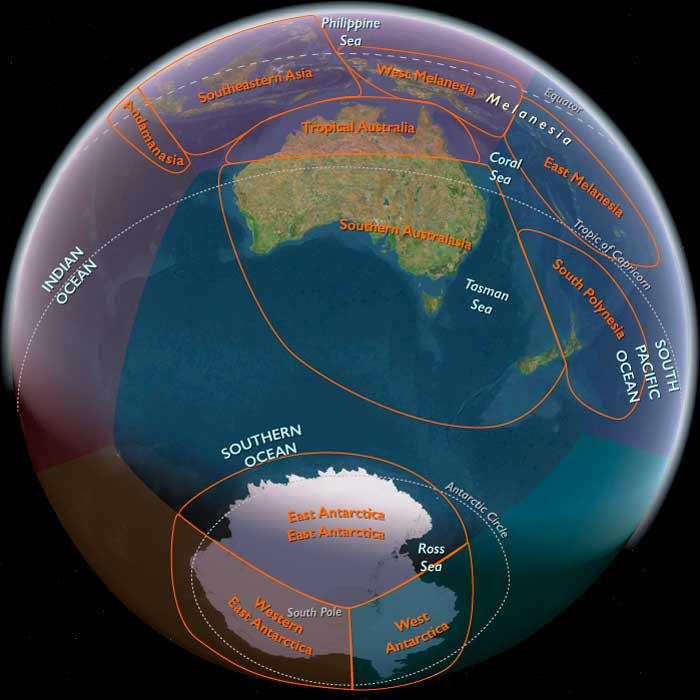
 Southern Oceania
World
-
{# Image navigates to the detail page; the magnifying-glass chip is the only Fancybox lightbox trigger (kept a separate sibling — anchors can't nest). #}
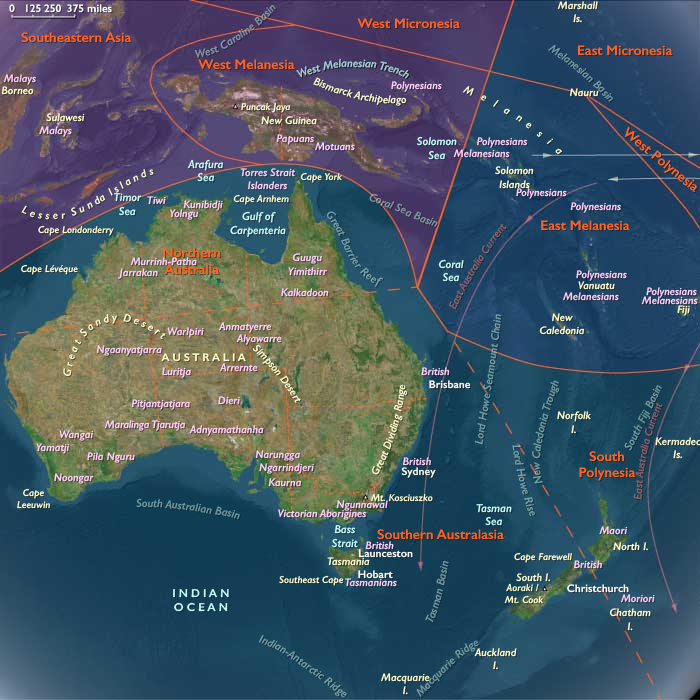 Australasia
Region
-
{# Image navigates to the detail page; the magnifying-glass chip is the only Fancybox lightbox trigger (kept a separate sibling — anchors can't nest). #}
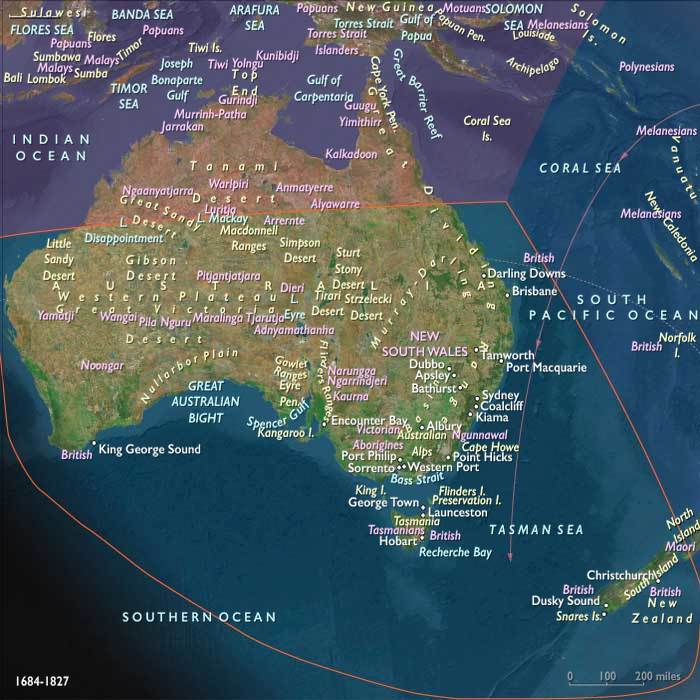 Southern Australasia
Subregion