Filters:
The Decline of Calligraphy and the Evolution …
Years: 1108 - 1251
The Decline of Calligraphy and the Evolution of European Script
As medieval European writing evolved, the quality of calligraphy declined, giving way to more condensed and practical scripts that reflected the increasing demand for written texts. By the 12th and 13th centuries, manuscripts became more compact, with narrower spacing between letters and lines, sacrificing aesthetic elegance for efficiency.
Factors Driving the Transformation of Medieval Script
-
Expansion of Monastic Scriptoria and Universities
- The growth of monastic scriptoria and the rise of universities—particularly in centers like Paris, Bologna, and Oxford—drove the need for more books and documents.
- The labor-intensive nature of manuscript copying necessitated a shift toward faster, more economical writing styles.
-
Conservation of Writing Materials
- The high cost of parchment (and later, early paper) encouraged scribes to reduce margins, condense letterforms, and minimize line spacing, allowing for more text per page.
- This change helped lower the cost of book production, making texts more accessible to scholars and clergy.
-
Development of Gothic Script
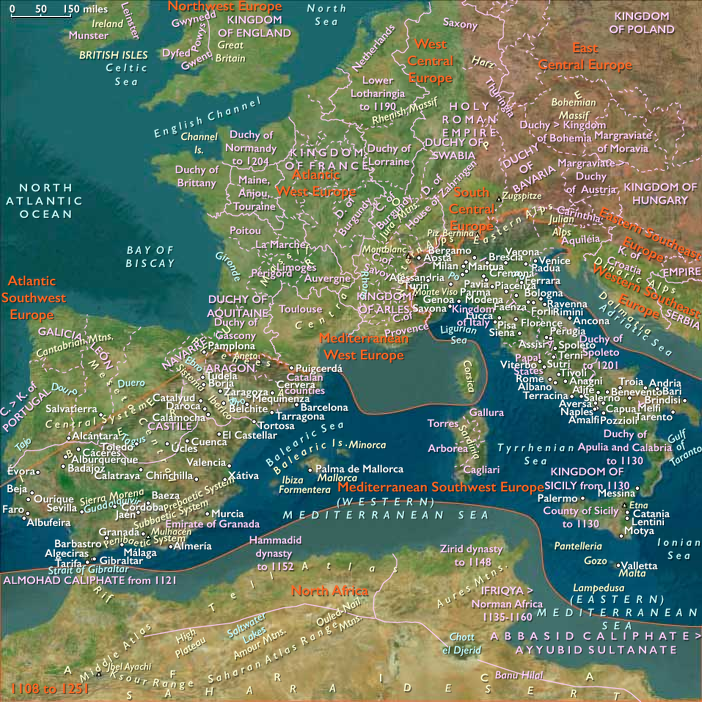
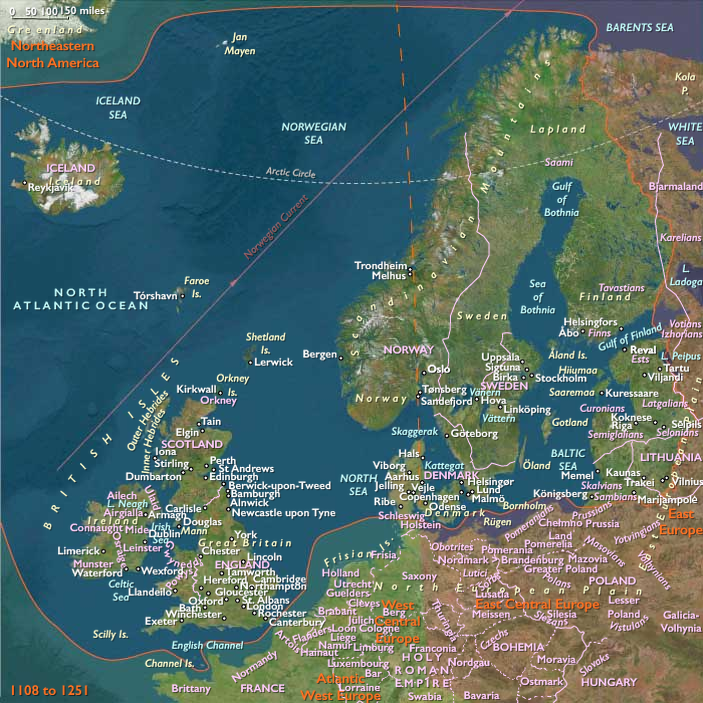
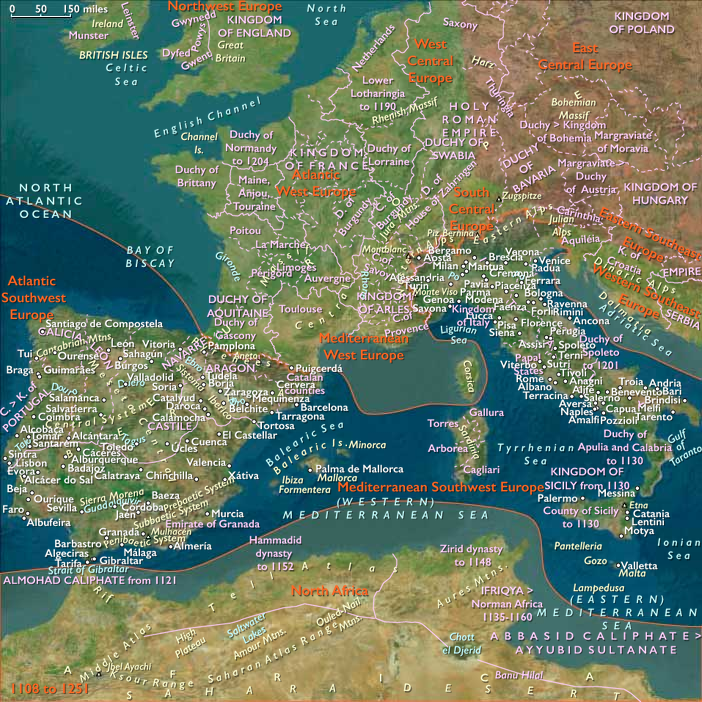
- By the 12th century, Gothic script emerged as the dominant style in much of Atlantic West Europe.
- Characterized by angular, tightly spaced letters, abbreviations, and compressed ascenders and descenders, Gothic script maximized space efficiency but at the expense of readability.
Consequences of These Changes
- Loss of Elegance – The rounded, flowing forms of Carolingian minuscule and earlier scripts gave way to denser, less legible writing, making manuscripts harder to read.
- Standardization of Writing – The shift toward more uniform scripts contributed to the broader standardization of Latin writing, allowing texts to be more easily replicated and understood across different regions.
- Acceleration of Book Production – These innovations, while diminishing aesthetic quality, helped increase the number of available texts, paving the way for the later commercial book trade and, ultimately, the advent of the printing press in the 15th century.
While clarity and elegance declined, the evolution of script styles in the High and Late Middle Ages played a critical role in making written knowledge more widely accessible, marking a key step in the transition toward mass literacy and intellectual exchange.
Years: 1108 - 1251
Topics
Subjects
Regions
Subregions
- Northeast Europe
- East Central Europe
- Eastern Southeast Europe
- Western Southeast Europe
- South Central Europe
- Mediterranean West Europe
- Mediterranean Southwest Europe
- Atlantic Southwest Europe
- Atlantic West Europe
- West Central Europe
- Northwest Europe