Several legislatures, in response to a call…
1765 CE
Moderates led by John Dickinson draw up a "Declaration of Rights and Grievances" stating that taxes passed without representation violate their rights as Englishmen.
Colonists emphasize their determination by boycotting imports of British merchandise.
All of the delegates selected are members of their colonial legislative bodies.
The methods by which delegates were selected were in some cases unorthodox.
In Delaware, known at this time as the "Three Lower Counties" of the Penn proprietors, assembly members had held informal meetings in each of the three counties, in each case selecting the same three delegates.
In New York, the assembly had been prorogued and was judged unlikely to be summoned by Lieutenant Governor Colden to consider the Massachusetts letter.
The assembly's committee of correspondence, consisting of its New York City delegates, had discussed the letter and decided under the circumstances to assume the authority to represent the colony.
New Jersey's assembly had politely declined to send delegates before adjourning in late June, but after political sentiment against the Stamp Act became more pronounced, Speaker Robert Ogden had called an extralegal assembly (since only the governor could officially call it into session) in late September that chose three delegates.
Governor William Franklin was upset at the action but took no action beyond protesting the unusual meeting.
Maryland's assembly, prorogued because of a smallpox outbreak, had finally been called into session by Governor Horatio Sharpe to consider the Massachusetts letter on September 23, and delegates had been chosen.
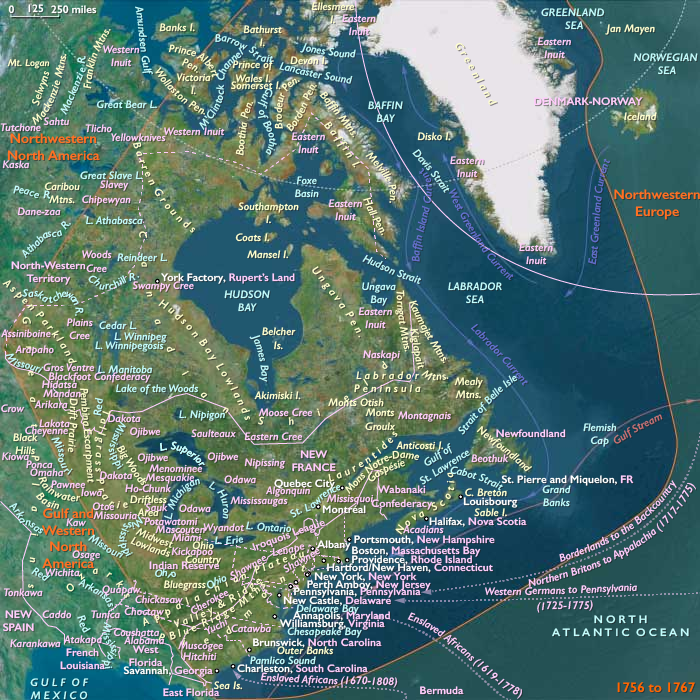
The colonies that are not represented at the congress did not send delegates for a variety of reasons.
The Virginia and Georgia assemblies had been deliberately prevented from meeting by their governors.
New Hampshire had chosen not to send delegates because of an ongoing financial crisis in the colony; by the time some assembly members sought to reconsider that decision, the assembly had adjourned, and Governor Benning Wentworth had refused to call it into session.
North Carolina Lieutenant Governor William Tryon had prorogued the assembly for other reasons, and there was apparently no action taken to request a special session despite public protests and opposition to the act by Speaker John Ashe.
Nova Scotia, which at this time includes present-day Prince Edward Island and New Brunswick, had declined to send delegates despite significant economic connections to Massachusetts and a strong presence of expatriate New Englanders in its assembly.
Dominated by financial interests connected to England, the assembly had never even considered a protest resolution against the Stamp Act.
Quebec, Newfoundland, and East and West Florida do not have colonial assemblies and had not been not invited.
Groups
Thirteen Colonies, The
View →
Connecticut (English Crown Colony)
View →
Rhode Island and Providence Plantation, English Crown Colony of
View →
Delaware Bay, Lower Counties on the (English Colony)
View →
New York, Province of (English Colony)
View →
Pennsylvania, Province of (English Colony)
View →
New Hampshire, English royal Province of
View →
Massachusetts, Province of (English Crown Colony)
View →
Virginia (English Crown Colony)
View →
Newfoundland (British Colony)
View →
New Jersey (English Colony)
View →
Britain, Kingdom of Great
View →
Nova Scotia (British Colony)
View →
South Carolina, Province of (British Colony)
View →
North Carolina, Province of (British Colony)
View →
Georgia, Province of (British Colony)
View →
Quebec (British Province)
View →
East Florida
View →
West Florida
View →
Sons of Liberty
View →
Commodities
Regions
Northern North America
View →Subregions