Event
The splendid walled city of Hazor in…
The splendid walled city of Hazor in northern Canaan is by reputation the most prominent of the Canaanite city-states, with great temples and opulent palaces, split into an upper acropolis, and lower city.
One archaeological stratum, dating from shortly after 1200 BCE, shows signs of catastrophic fire.
Hazor appears to have been attacked suddenly, destroyed, and set on fire, the statues of the gods in its opulent royal palace decapitated and smashed.
According to the Book of Joshua, Hazor was the seat of Jabin, a powerful Canaanite king that led a Canaanite confederation against Joshua, but was defeated by Joshua, who burnt Hazor to the ground.
According to the Book of Judges, Jabin's commander, Sisera, led a Canaanite army against Barak, but was ultimately defeated.
Cuneiform tablets found at the site refer to monarchs named Ibni Addi, where Ibni may be the etymological origin of Yavin (Jabin).
Some archaeologists believe that the Israelites emerged simply as a subculture within Canaanite society, and thus that the Israelite conquest of Canaan did not happen as detailed in the Bible; most biblical scholars believe that the Book of Joshua conflates several independent battles between disparate groups, over multiple centuries, and artificially attributes them to a single leader: Joshua.
Some archaeologists suspect the reason for the destruction of Hazor could be civil strife, attacks by the Sea Peoples, and/or a result of the general collapse of civilization across the whole eastern Mediterranean in the Late Bronze Age.
-
{# Image navigates to the detail page; the magnifying-glass chip is the only Fancybox lightbox trigger (kept a separate sibling — anchors can't nest). #}
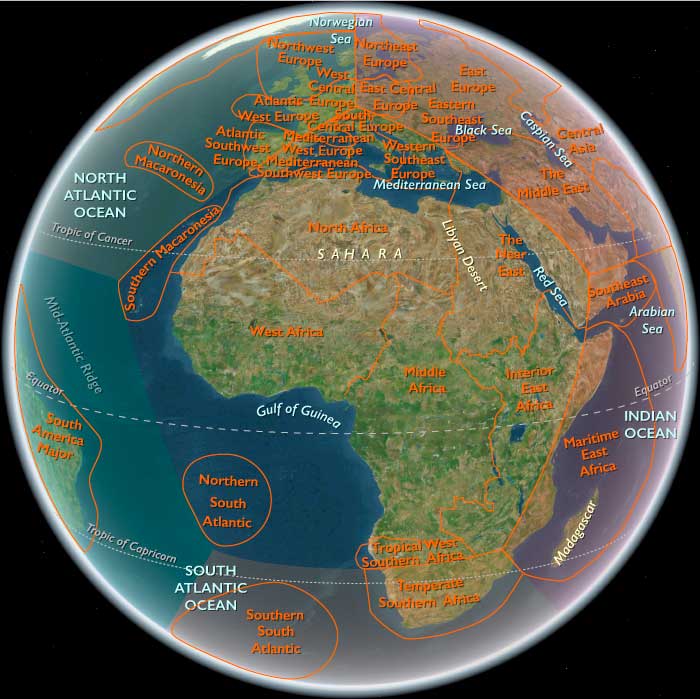
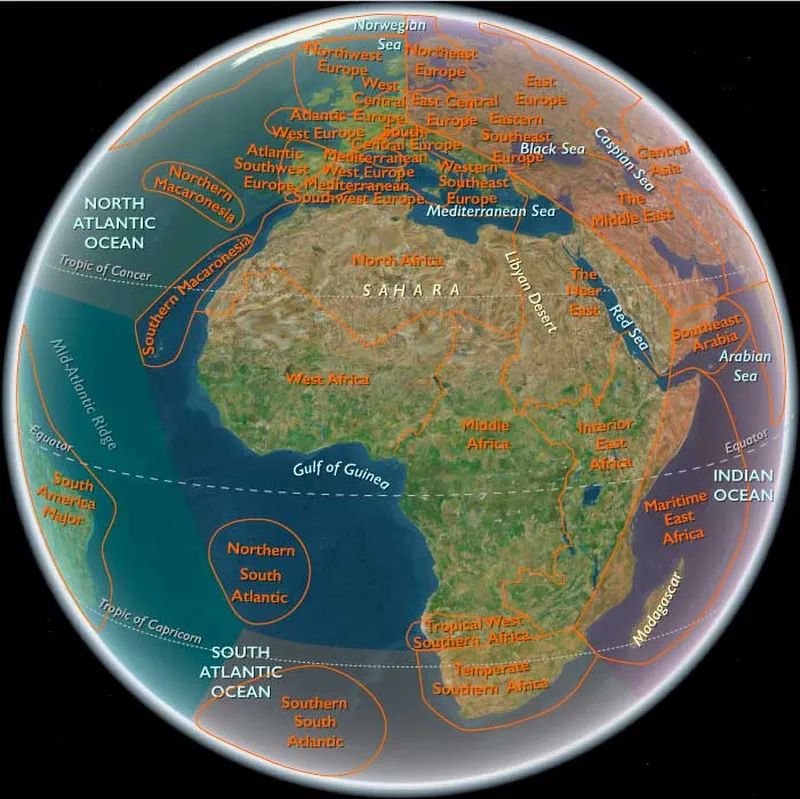 The Middle of The Earth
World
-
{# Image navigates to the detail page; the magnifying-glass chip is the only Fancybox lightbox trigger (kept a separate sibling — anchors can't nest). #}
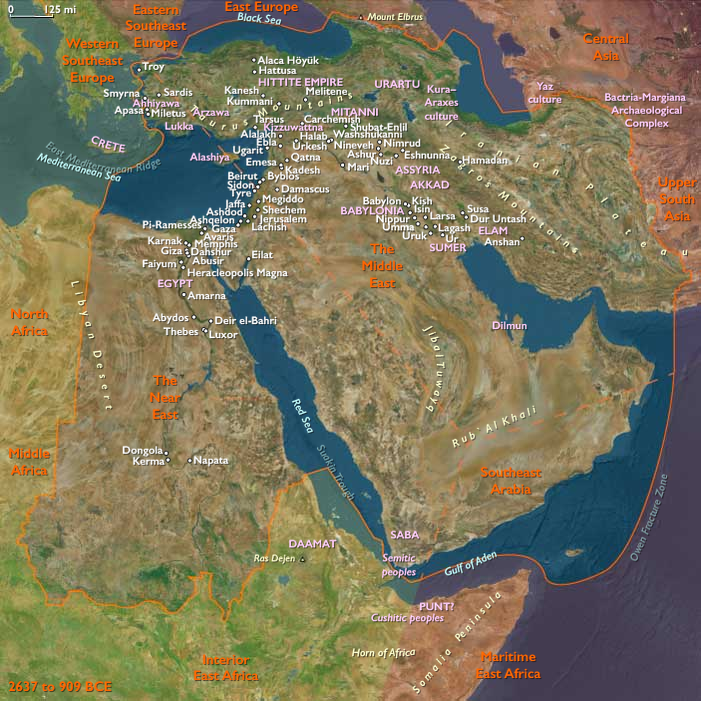 The Near and Middle East
Region
-
{# Image navigates to the detail page; the magnifying-glass chip is the only Fancybox lightbox trigger (kept a separate sibling — anchors can't nest). #}
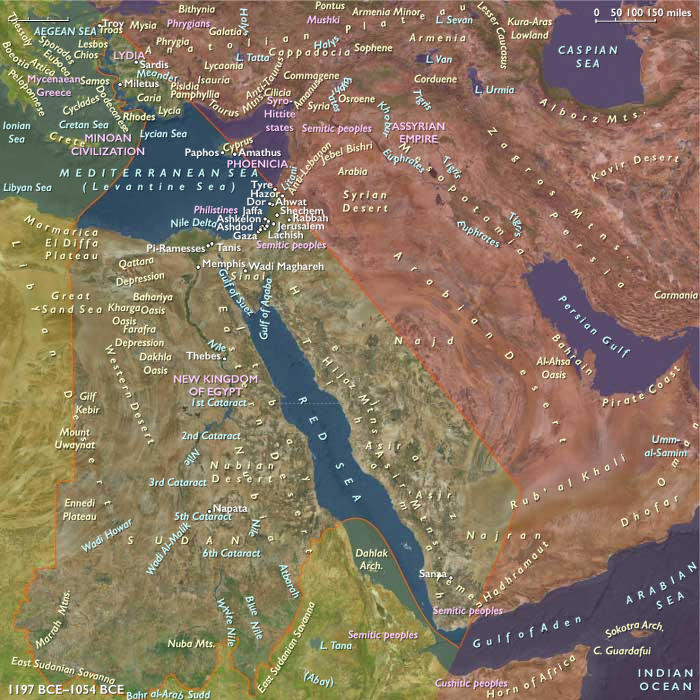 Near East
Subregion