The United Mine Workers of America (UMWA)…
1900 CE
It had grown from 10,000 to 115,000 members.
A number of small strikes will take place in the anthracite district from 1899 to 1901, by which the labor union will gain experience and unionize more workers.
The 1899 strike in Nanticoke, Pennsylvania, had demonstrated that the unions could win a strike directed against a subsidiary of one of the large railroads.
It hopes to make similar gains in 1900, but finds the operators, who have established an oligopoly through concentration of ownership after drastic fluctuations in the market for anthracite, to be far more determined opponents than it had anticipated.
The owners refuse to meet or to arbitrate with the union; the union strikes on September 17, 1900, with results that surprise even the union, as miners of all different nationalities and ethnicities walk out in support of the union.
The owners refuse to meet or to arbitrate with the union; the union strikes on September 17, 1900, with results that surprise even the union, as miners of all different nationalities and ethnicities walk out in support of the union.
Republican Party Senator Mark Hanna from Ohio, himself an owner of bituminous coal mines (not involved in the strike), seeks to resolve the strike as it occurred less than two months before the presidential election.
He works through the National Civic Federation, which brings labor and capital representatives together.
Relying on J. P. Morgan to convey his message to the industry that a strike will hurt the reelection of Republican William McKinley, Hanna convinces the owners to concede a wage increase and grievance procedure to the strikers.
The industry refuses, on the other hand, to formally recognize the UMWA as the representative of the workers.
The union declares victory and drops its demand for union recognition.
He works through the National Civic Federation, which brings labor and capital representatives together.
Relying on J. P. Morgan to convey his message to the industry that a strike will hurt the reelection of Republican William McKinley, Hanna convinces the owners to concede a wage increase and grievance procedure to the strikers.
The industry refuses, on the other hand, to formally recognize the UMWA as the representative of the workers.
The union declares victory and drops its demand for union recognition.
Groups
Commodities
Regions
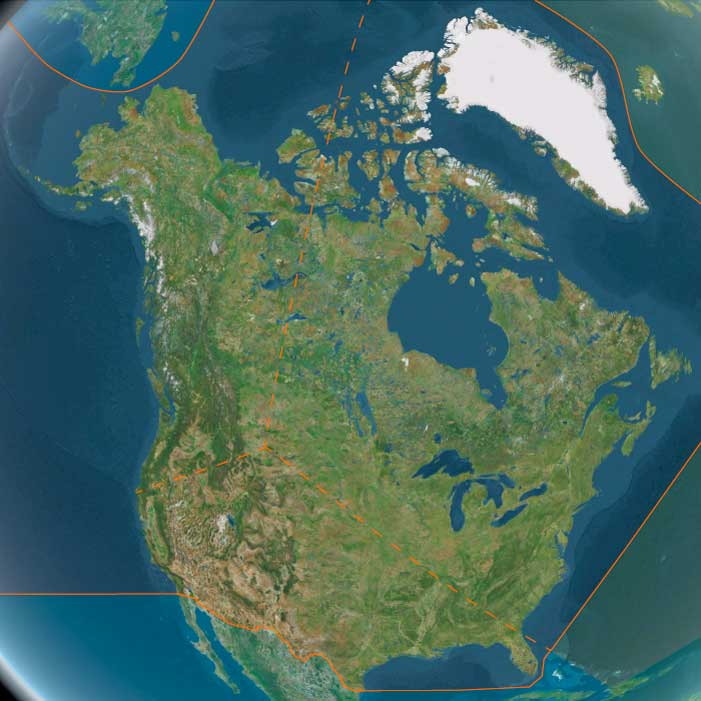
Northern North America
View →Subregions