Event
The Swing Riots, named for their nominal…
The Swing Riots, named for their nominal leader, Captain Swing, whose name is appended to several of the threatening letters sent to farmers, magistrates, parsons and others, are a widespread uprising by the rural workers of the arable south and east of England in 1830.
The rioters, largely impoverished and landless agricultural laborers, seek to halt reductions in their wages and to put a stop to the introduction of the new threshing machines that threaten their livelihoods.
They reinforce their demands not only with riots in which objects of perceived oppression such as workhouses and tithe barns are destroyed, but also with more surreptitious rick-burning, the destruction of threshing machines and cattle-maiming.
The movement parallels its earlier urban-industrial counterpart, the Luddite disturbances.
The first threshing machine is destroyed on Saturday night, August 28, 1830.
-
{# Image navigates to the detail page; the magnifying-glass chip is the only Fancybox lightbox trigger (kept a separate sibling — anchors can't nest). #}
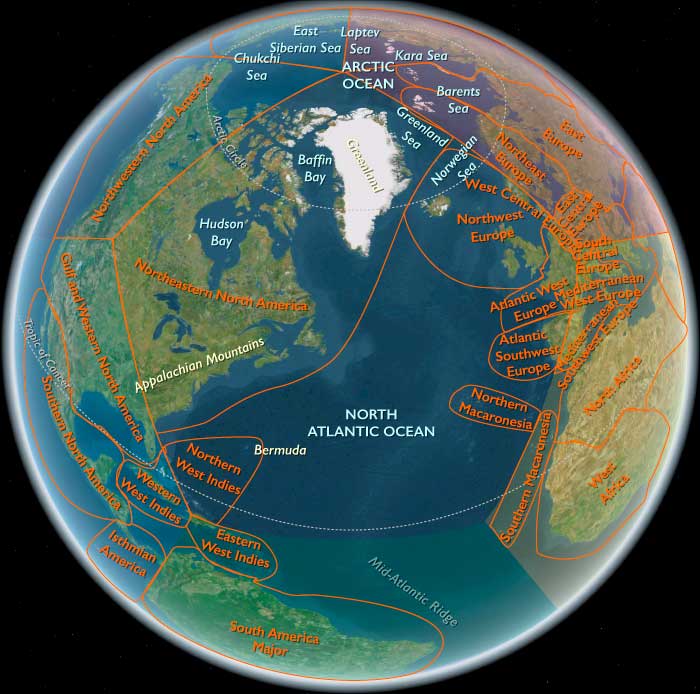
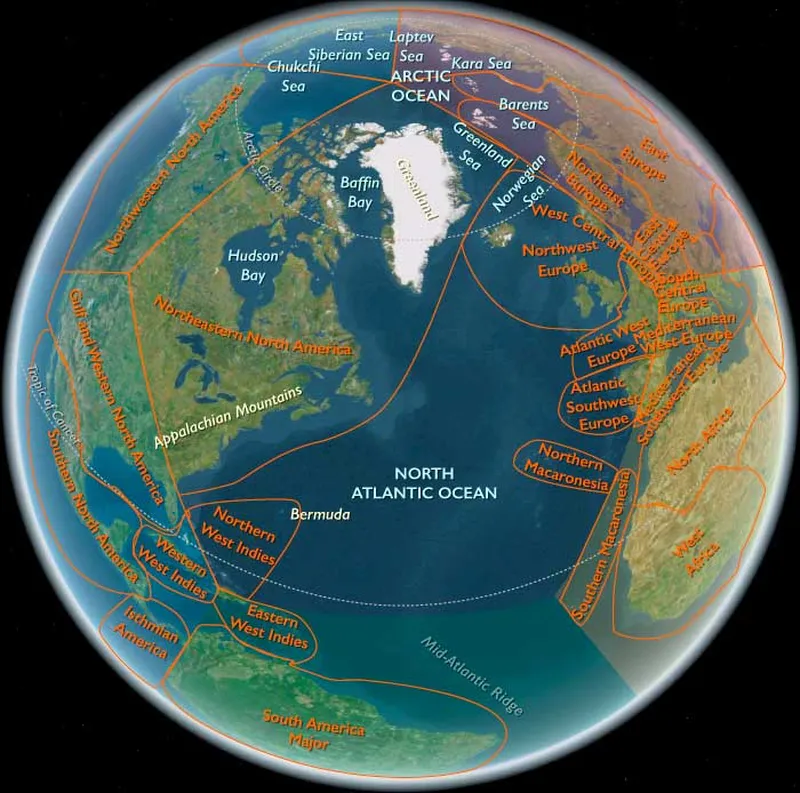 The Atlantic Lands
World
The Atlantic Lands
World
-
{# Image navigates to the detail page; the magnifying-glass chip is the only Fancybox lightbox trigger (kept a separate sibling — anchors can't nest). #}
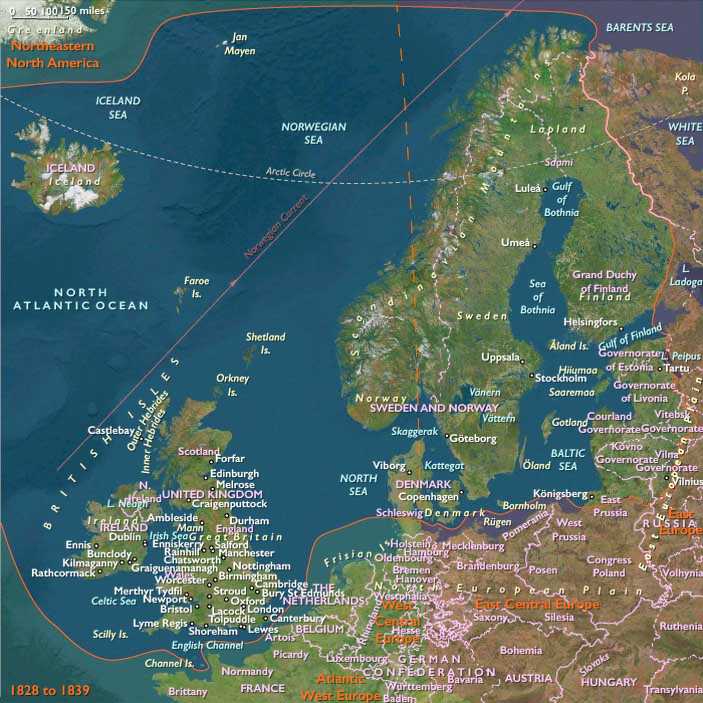 North Europe
Region
North Europe
Region
-
{# Image navigates to the detail page; the magnifying-glass chip is the only Fancybox lightbox trigger (kept a separate sibling — anchors can't nest). #}
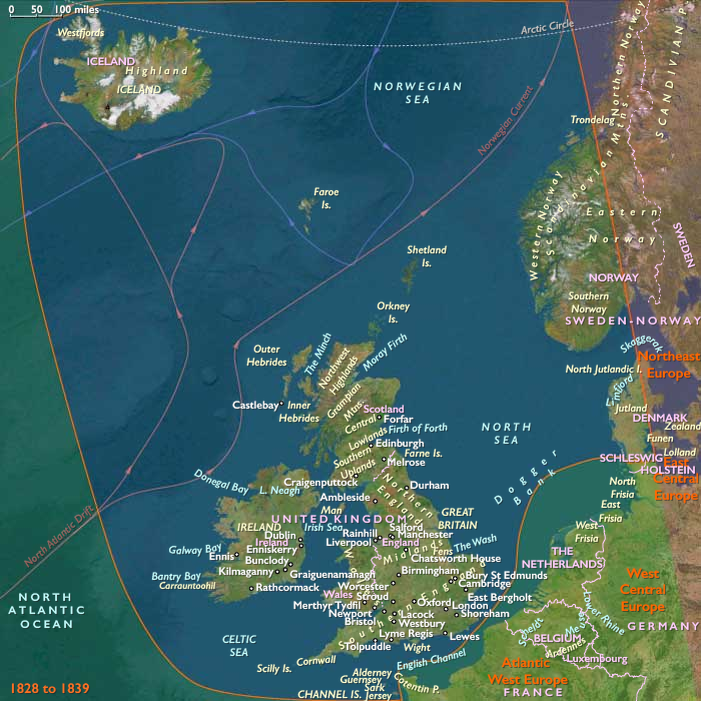 Northwest Europe
Subregion
Northwest Europe
Subregion